20 years of conversations with the people making and creating things differently.
The designers in this archive come from Colombia, Korea, Mexico, Italy, Syria, Lebanon, Spain, Australia, New York and everywhere in between. What connects them is the conviction that what you make should mean something to the person who wears it.






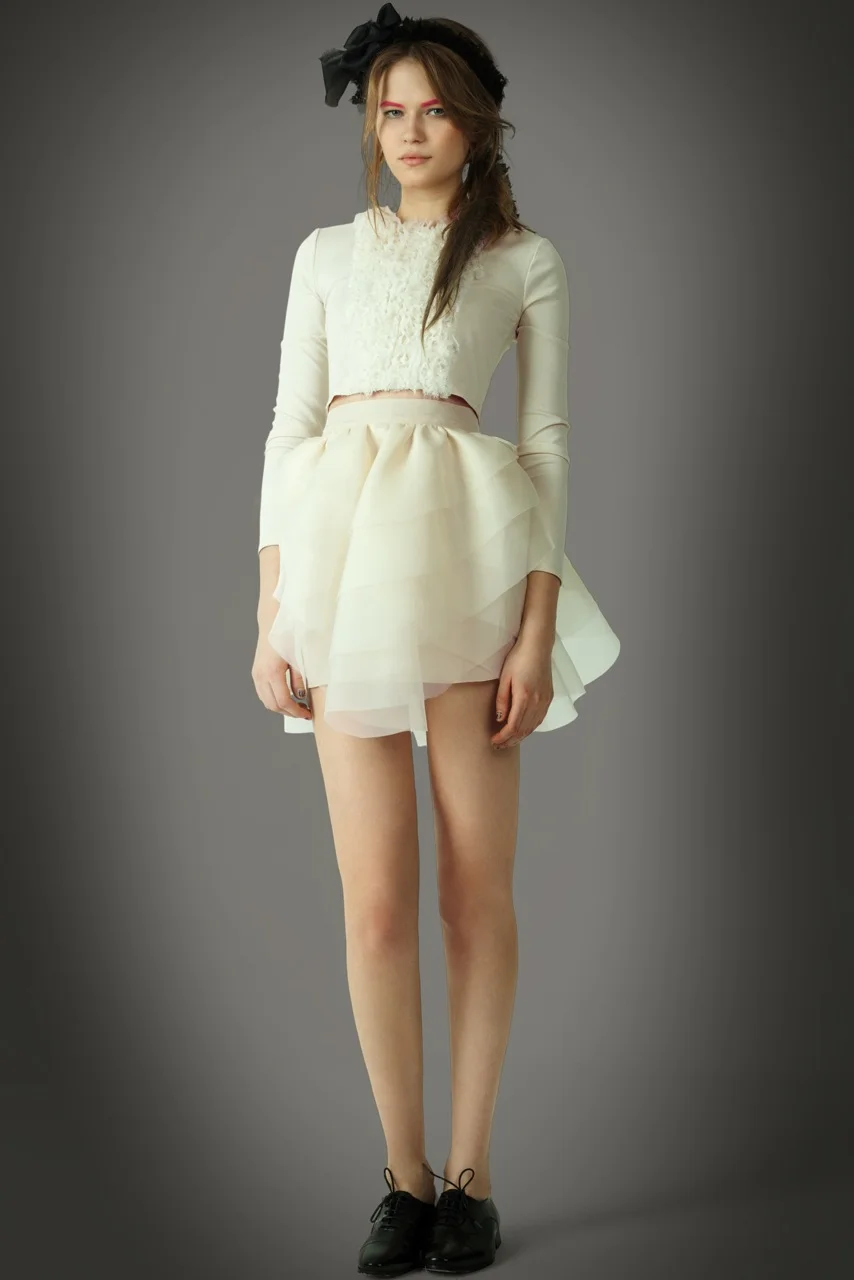
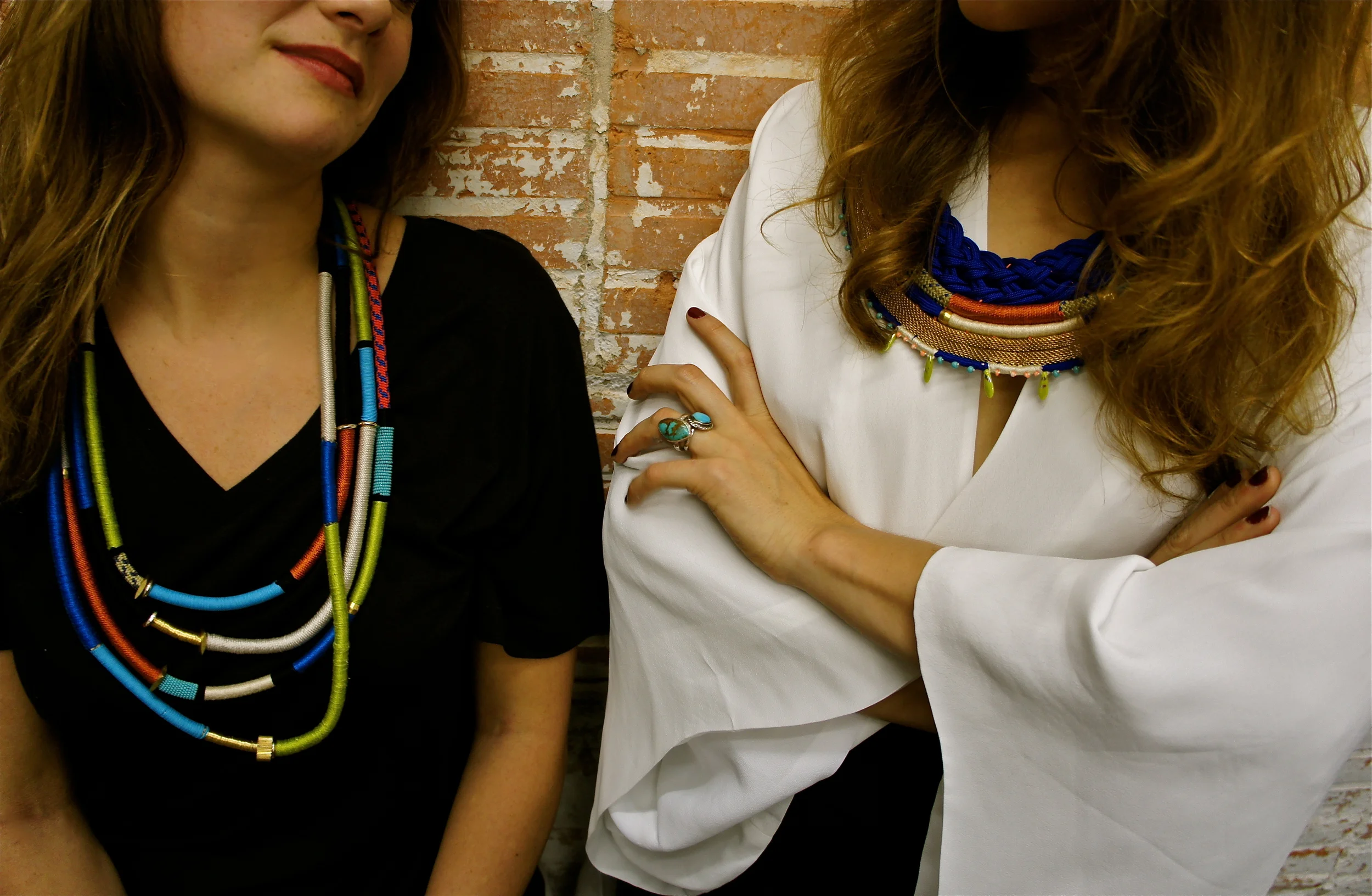

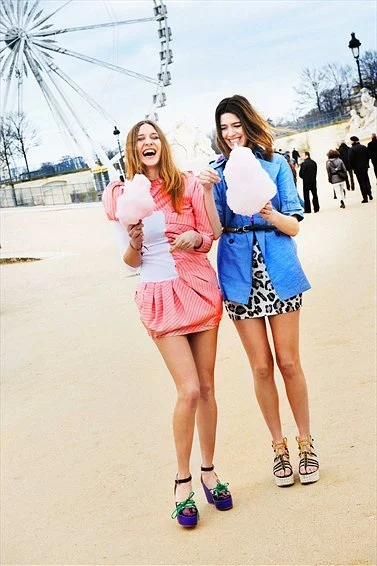



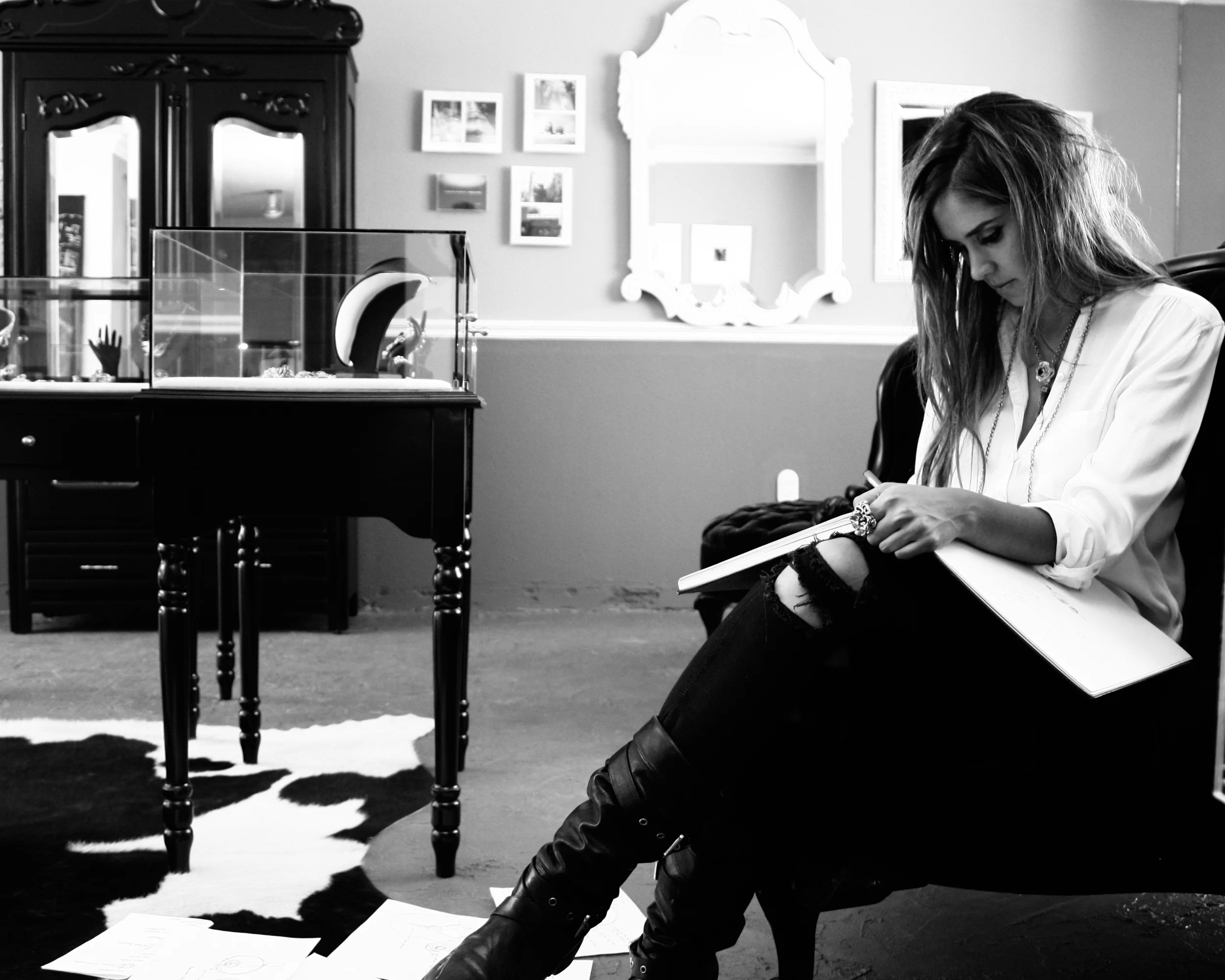

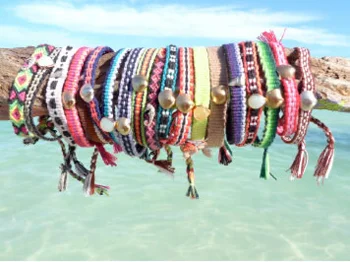
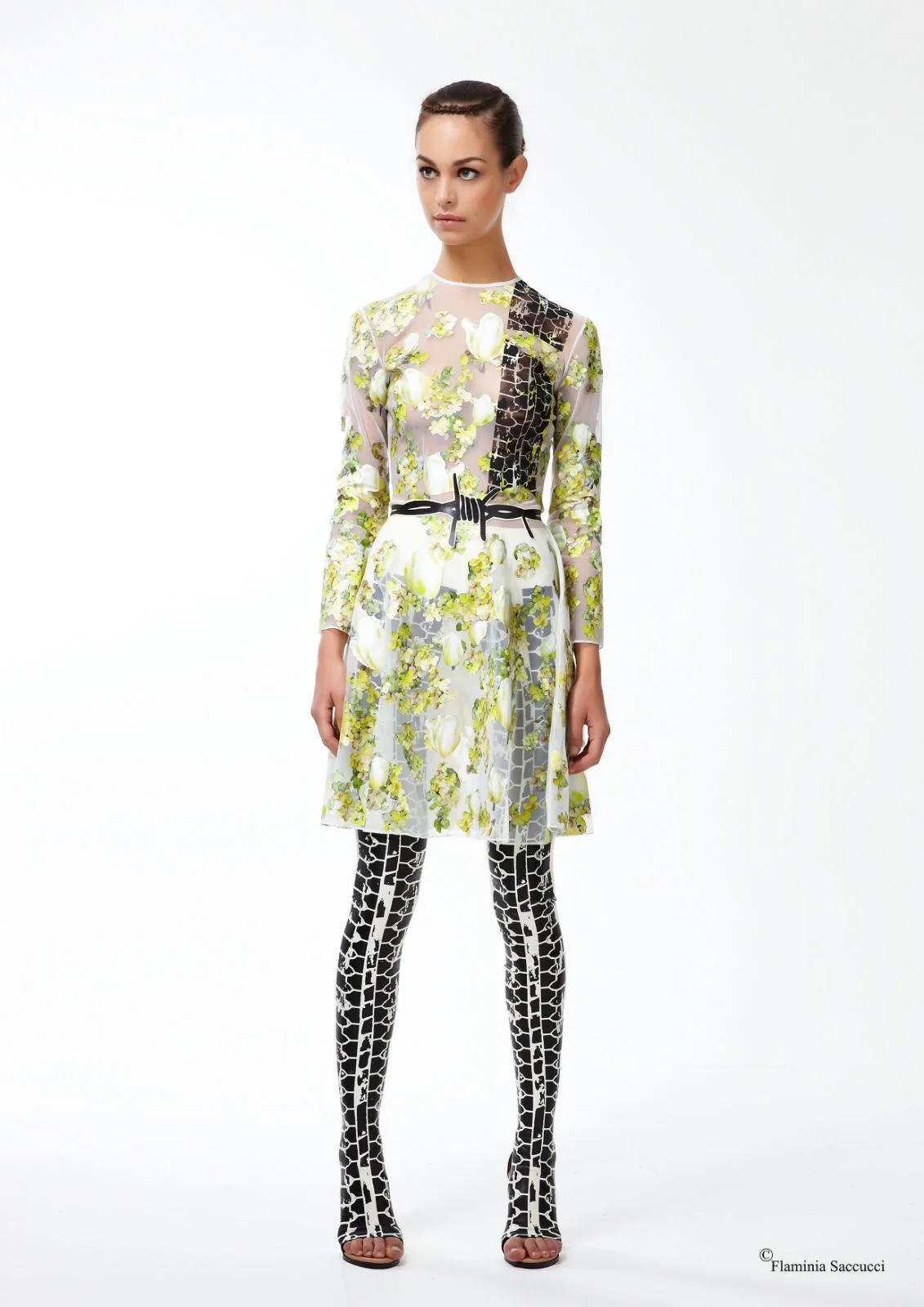
Rome to Paris, 2012
made by hand, worn for life
Always in season.
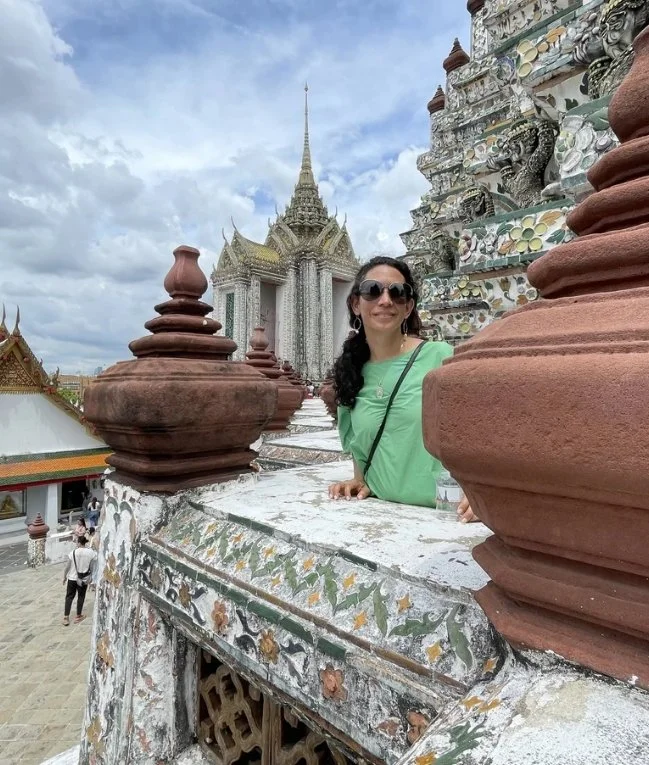
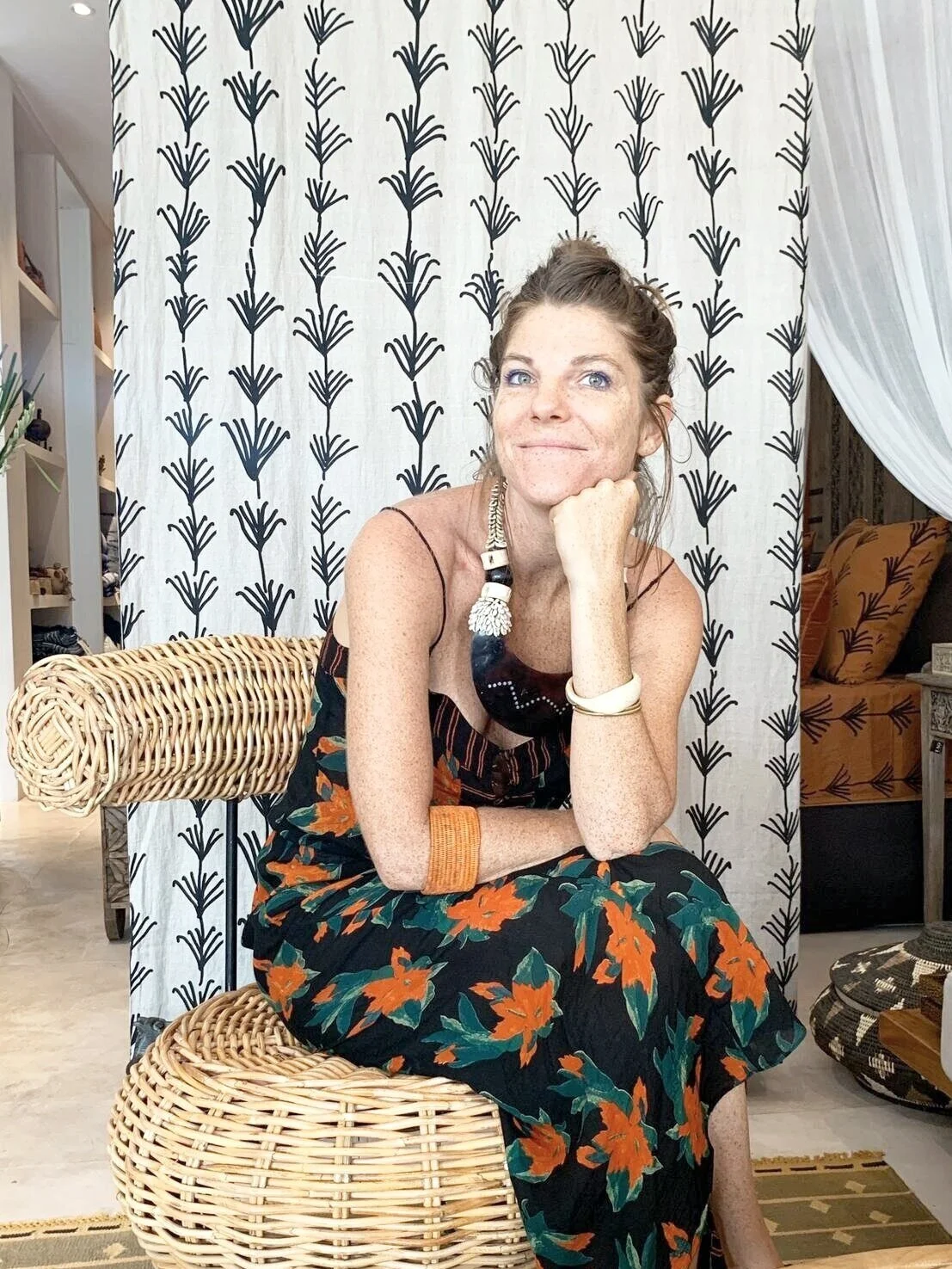
Paula Mendoza. Carlotta Klett.
cut their own pattern.
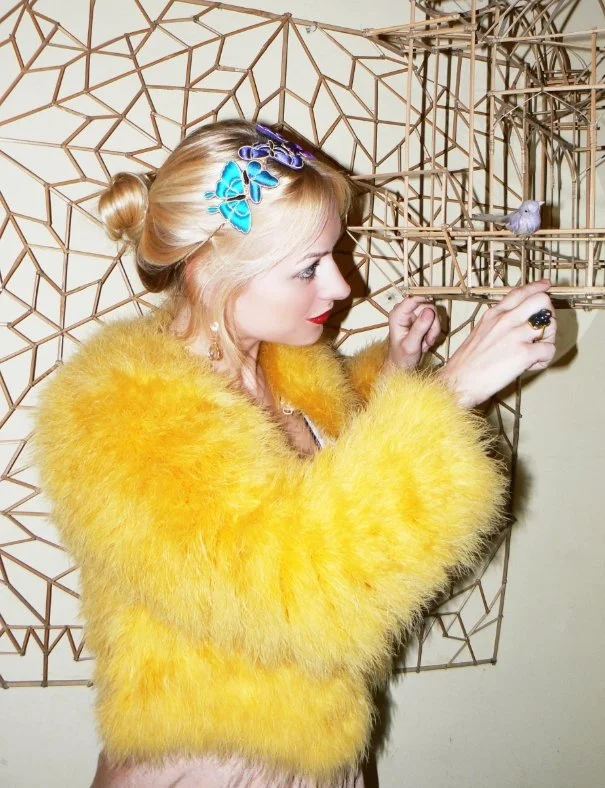
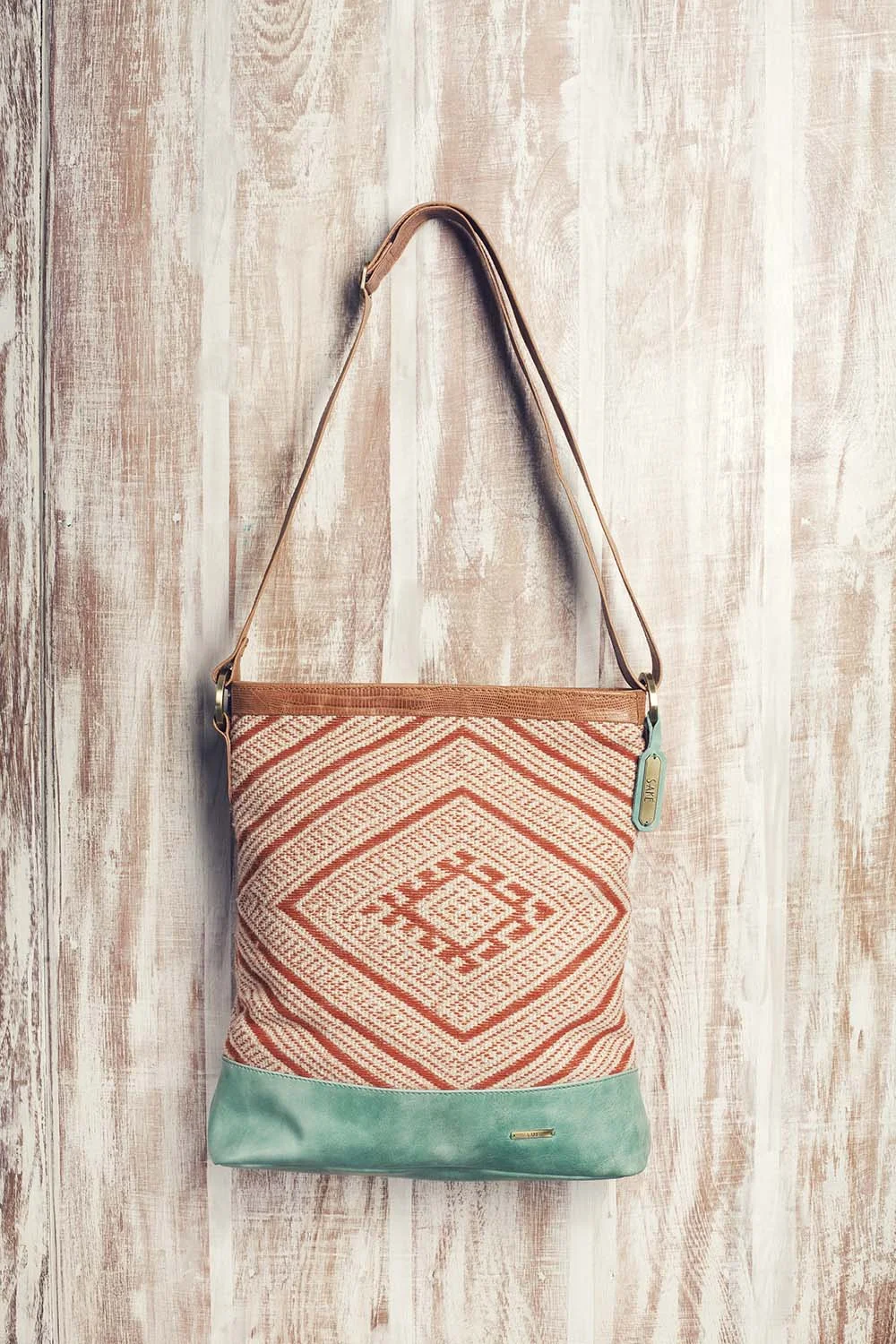
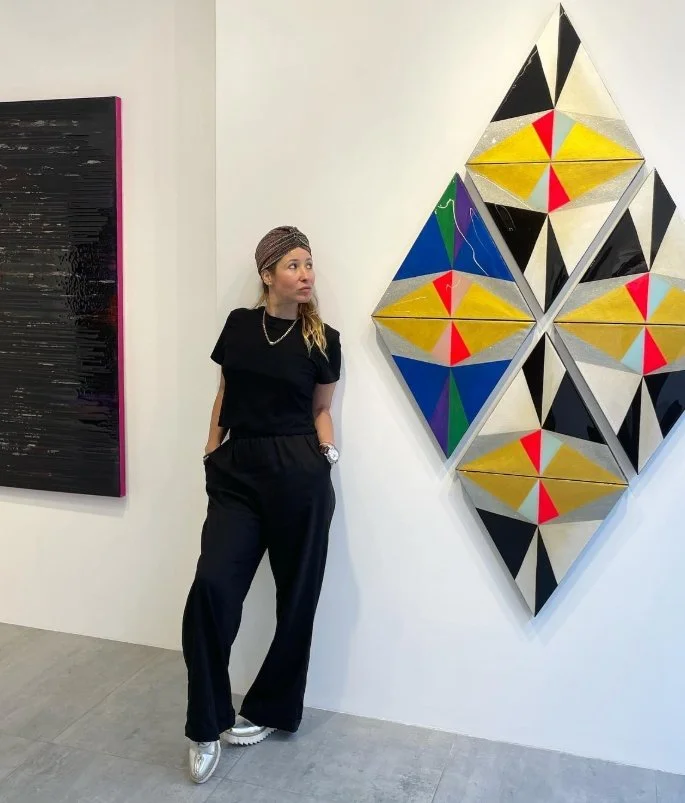
Holst + Lee. Saké.
cannot be manufactured.
A living archive of independent designers from around the world, creatives I have spent more than 20 years discovering, speaking with, and following as they built their worlds outside the machinery of mass fashion.
What connects them is intention, a belief that clothing, jewelry, and accessories should carry meaning for the people who wear them. Independent designers are agile in ways corporations can never be: shifting production overnight, rethinking materials, responding directly to their communities, creating from instinct rather than committee.
Their work carries real cultural memory, personal histories, and craft. For many of them, making something well is not positioning. It is the reason they started in the first place.
Outside the trend-driven structures of corporations, free to experiment with materials and ideas that have no focus group behind them.
Handmade, tailored, small-batch. Pieces built for longevity. Ethical production is not their marketing story, it is their working method.
Where large brands move in seasons, independent designers move in responses. They adapt faster and are never far from the people they make for.
Cultural rootedness, personal history, a singular point of view. These are things a brand cannot acquire. They either have them or they do not.
Buying from an independent designer funds a person, a workshop, a tradition. One of the most direct investments in creativity that exists.
The conversations above are twenty years of evidence that this approach works, that it lasts, and that the designers who hold to their vision are the ones still standing when everything else has restructured.