SARAH'S BAG: WHERE BEIRUT'S CRAFT TRADITION MEETS COVETABLE FASHION
Sarah's
Bag
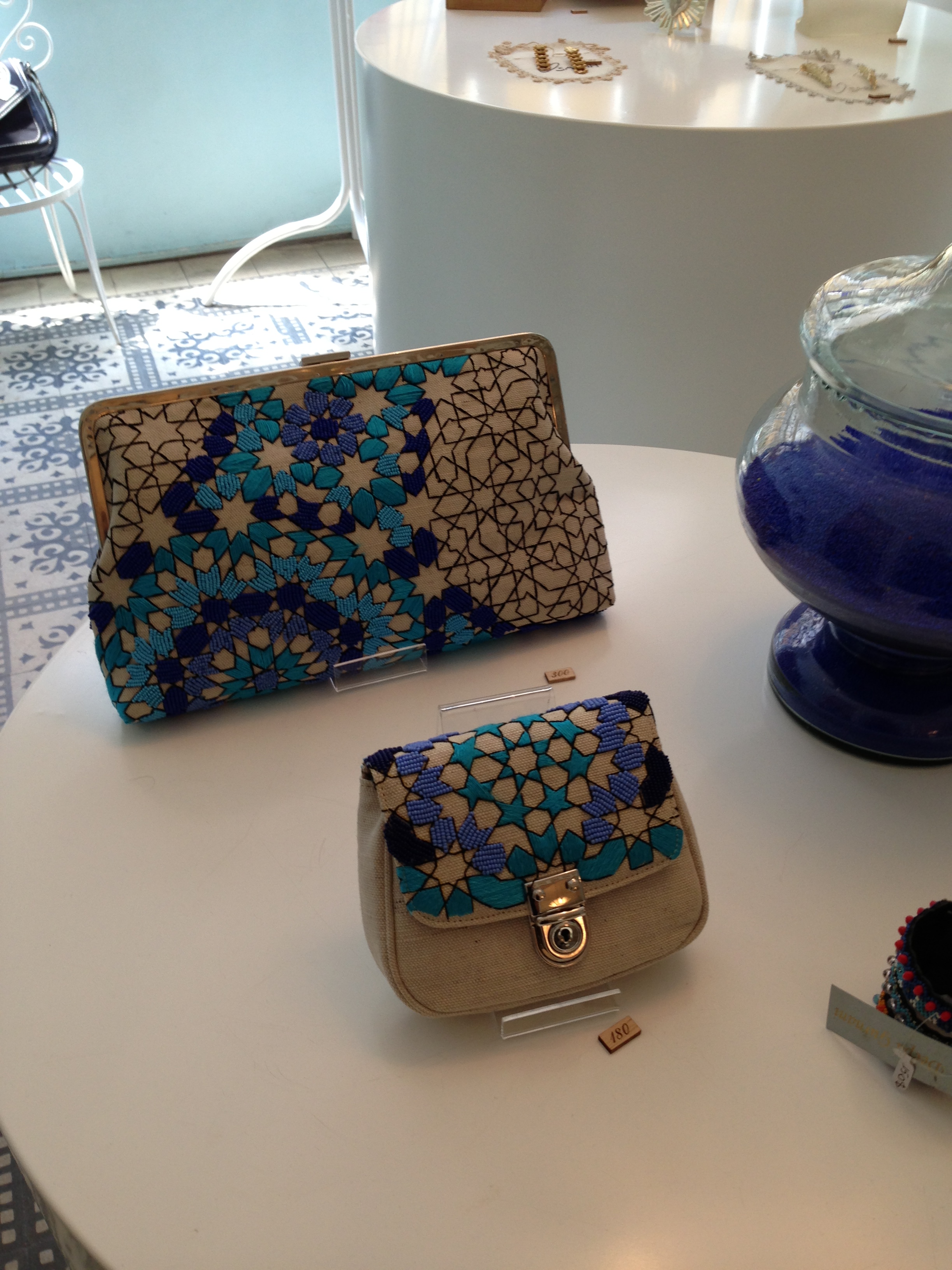
Sequin by tiny sequin, stitch by intricate stitch, each handbag can take ten, sometimes twenty hours to complete. Under the patient hand of the artisan, something remarkable emerges. These aren't just beautiful bags. They're ethically grounded objects made by skilled hands, with a real story behind them.
Every time I go to Beirut I make sure to pass by and check out the latest gorgeous and fun designs. Sarah's Bag is one of my all-time favourite brands, and has been for years. Some boutiques you walk into and immediately understand. This is one of them.
Lebanese women are among the most chic in the world.
There is something about Lebanese designers and the women who wear them that cannot be fully explained from the outside. Post-war years, ongoing economic and political challenges, and yet the desire to look extraordinary never wavers. Out of the ashes after 15 years of war, there's a fashion gene that the Lebanese seem to have. They desire to look and dress well, and they do it with an instinctive flair that feels effortless even when it isn't.
Beirut has always been a city that lives out loud. That energy is in the clothes, the bags, the jewelry. It is in the way a woman walks through Gemmayzeh or along the Corniche with something perfectly chosen on her arm. Sarah Beydoun drew on that spirit, on the design talent of the women around her, and built something that speaks to both the beauty and the resilience of the city she grew up in.
Lebanese women dress with a confidence and precision that feels inherited rather than learned. Occasion or no occasion, they show up.
Bold palettes, layered patterns, statement accessories worn together without apology. The rules exist elsewhere.
In a city that has rebuilt itself multiple times, beauty is not frivolous. It is an act of insistence. A refusal to be diminished.
Lebanese designers understand the hand. Embroidery, beading, metalwork, textile. Making things well is part of the culture.
Educated, widely traveled, multilingual. Lebanese women bring a cosmopolitan eye to everything they wear and make.
Sarah's Bag started as a rehabilitation project to empower underprivileged women in Lebanon. Believe it or not, the label launched as a result of field research for a master's thesis in sociology. As part of that research, Sarah worked for six months at an NGO in Lebanon called Dar Al Amal (House of Hope) that teaches underprivileged women, including ex-prisoners, skills that will help them become financially independent.
Her work with these women was a turning point. She heard their stories of broken childhoods, abuse, violence, and crime, and it affected her deeply. Once you come face to face with these kinds of stories you can't just go back to living your life in a bubble. Encouraged by Huda Al Kara, head of Dar Al Amal, Sarah began working with female prisoners in Baabda Women's Prison, designing handbags that would showcase their handwork and employing the prisoners to do the beading, embroidery, and crocheting. They launched in May 2000.
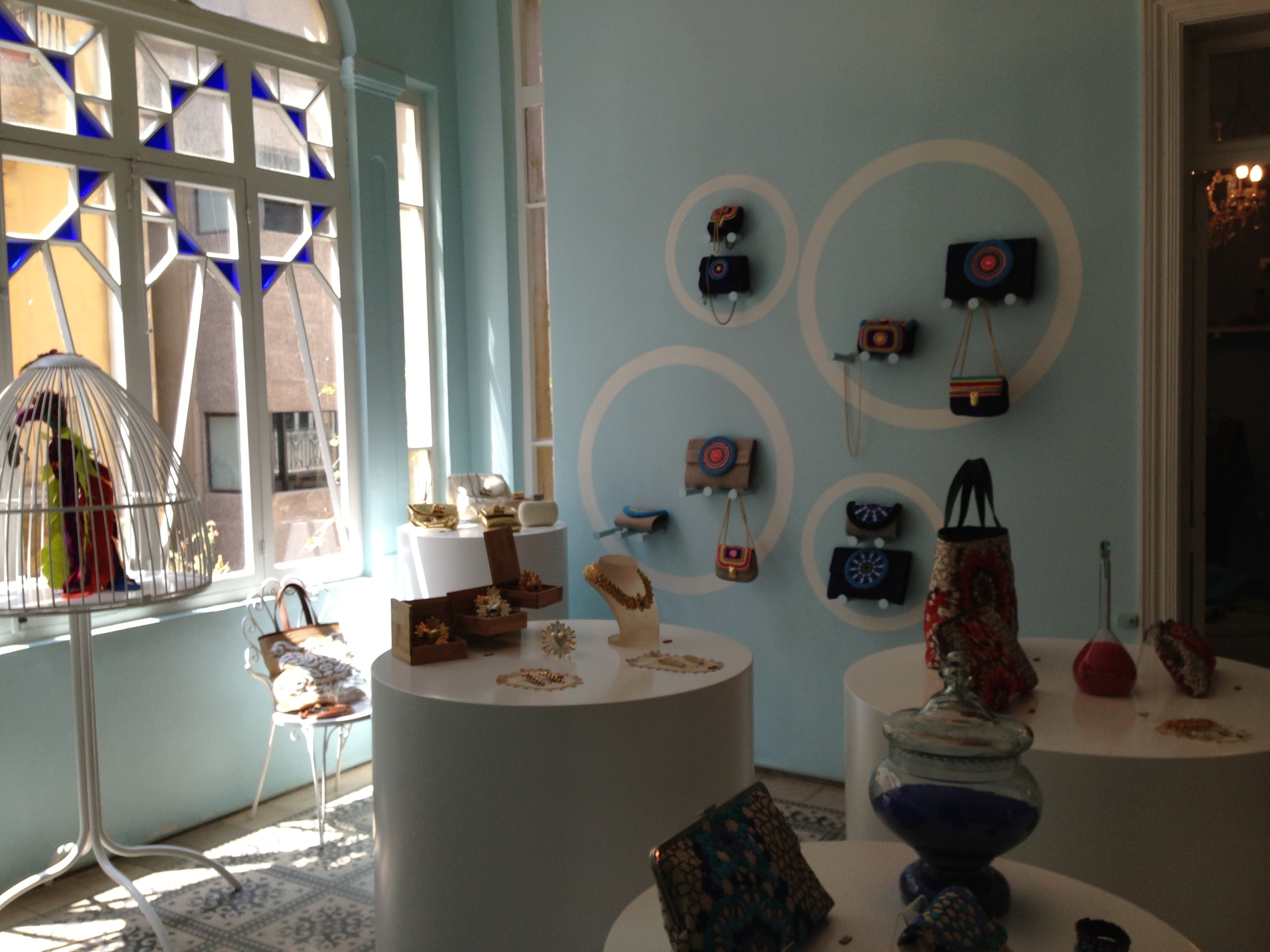
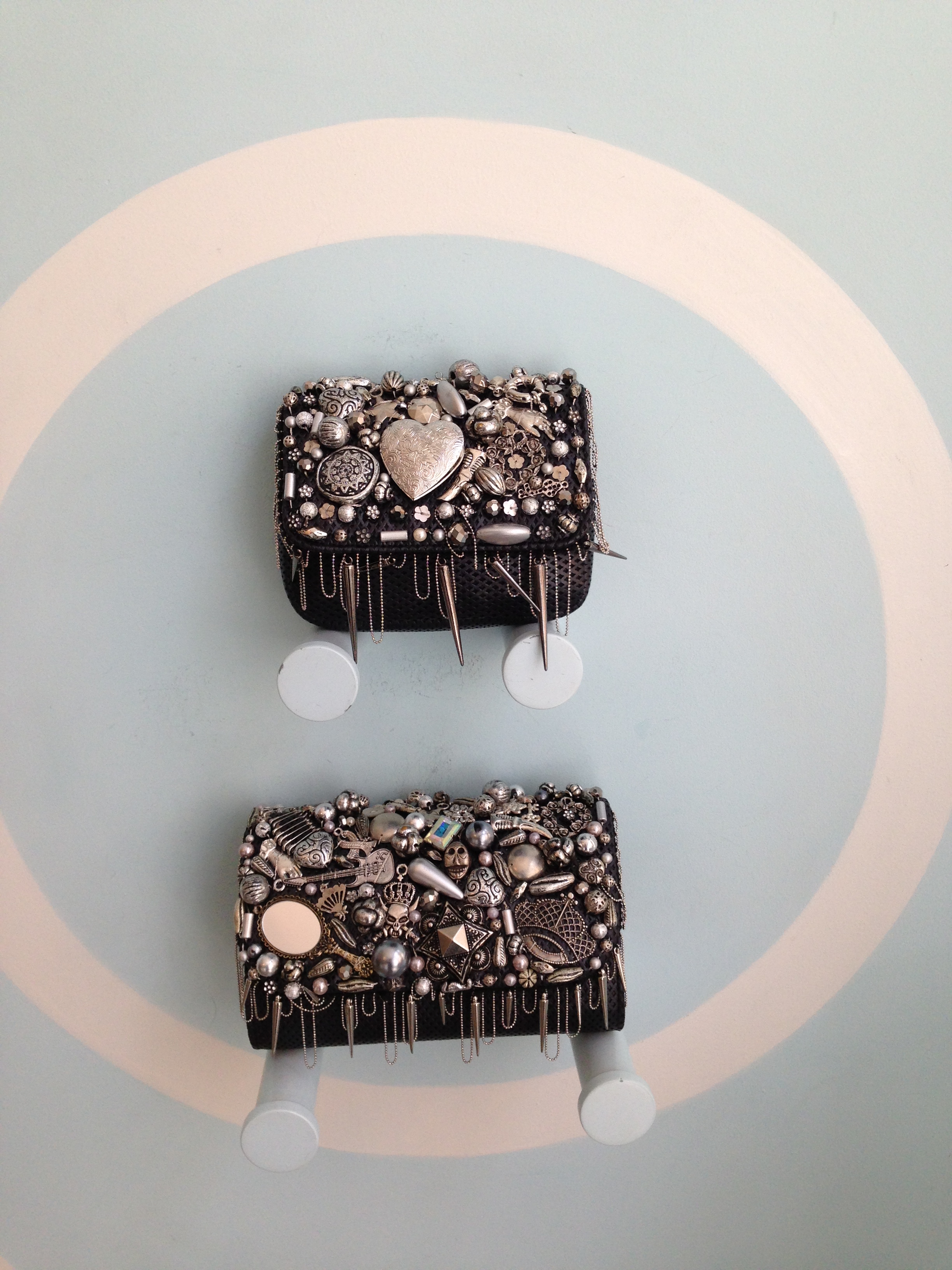
Each handbag can take ten, sometimes twenty hours to complete. Sequin by tiny sequin, stitch by intricate stitch. Whether it's the fearless, wildly beaded palette of an Afghan-inspired bag, Arabic calligraphy on an evening clutch, or the bold silver hardware of a punk-rock princess shoulder bag, every detail earns its place.
The team includes women from underprivileged backgrounds across Lebanon. Some are illiterate with few options for employment. Others come from conservative backgrounds and are not allowed to work outside their homes. Since 2013, Sarah's Bag has provided artisans with certificates of completion, proof of their training and work experience so they can find employment once released.
Afghan-inspired beading. Arabic calligraphy clutches. Punk-rock princess shoulder bags. Chains woven like ancient textiles. Each collection reflects the eclectic, cross-cultural spirit of a designer who grew up in Beirut and carries the whole world in her references.
Sculpted evening clutches to sequined day bags. Bold statement pieces and quieter, refined works. Each one vibrant and full of life, rich colour, sharp craft, and that unmistakable Sarah's Bag energy that manages to feel both deeply rooted and completely current.
"Every time I wear a Sarah's Bag, I get a million compliments."
One of the earliest fashion-for-impact labels in the Middle East.
Artisans receive certificates of training they can use to find work on release.
Collaboration with prisoners to create art pieces and raise funds for prison conditions.
What was the turning point that made you launch?
I was really fired up to do something to help and the head of Dar Al Amal, a woman named Huda Al Kara, encouraged me to work with female prisoners in Baabda Women's Prison that her NGO trains in various handwork techniques. I decided to design handbags that would showcase that handwork and to employ the prisoners to do the beading, embroidery and crocheting. We launched in May of 2000. Once you come face to face with these kinds of stories you can't just go back to living your life in a bubble.
What does the label mean to the women who make it?
Design isn't just aesthetic for them. It's given them their own means of employment and freedom. These women are soon regarded as valuable members of their communities and their new status helps them to reintegrate into society and ease the stigma of being ex-prisoners. Sarah's exuberant persona shines through each design, and the women carry that energy into what they make. The finished results are hip, luxurious, handcrafted statement pieces that are always fun and playful.
"We are looking to return to a luxury that is enduring and personal. We believe in the totemic power of objects that are lovingly made and passed down over generations."