Artists
Since 2003, Antakly Projects has been sitting down with artists asking questions that matter. Not just what they make, but why.
This is not a gallery.
What you will find is something rarer: an archive of honest conversation. Over two decades of artist perspectives, preserved in their own words, from their own studios, their own cities, their own moments of doubt and clarity and breakthrough.
For collectors trying to understand what they are drawn to and why, it's here. For gallerists looking for context, for the story behind a practice, it's here. For the curious — it's always been here. Where it comes from. What they believe.
"Not just what they make, but why. Where it comes from. What they believe."
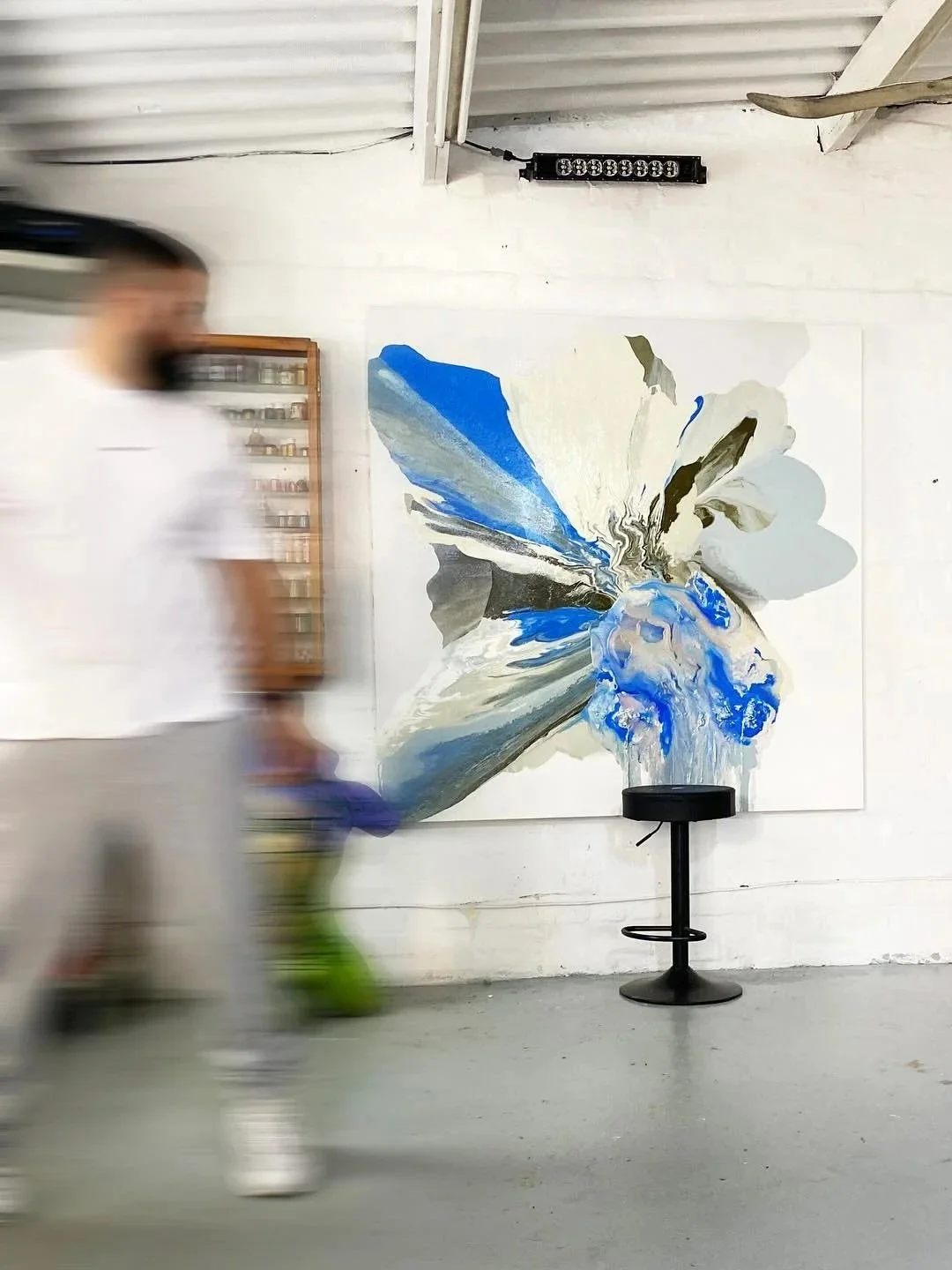
Antakly Projects · Est. 2003Spanish painter Gemma Alpuente on her own chemical process technique, abstract art as freedom, the corruption of the art world, and the book she is writing for artists about emotional management and getting started.
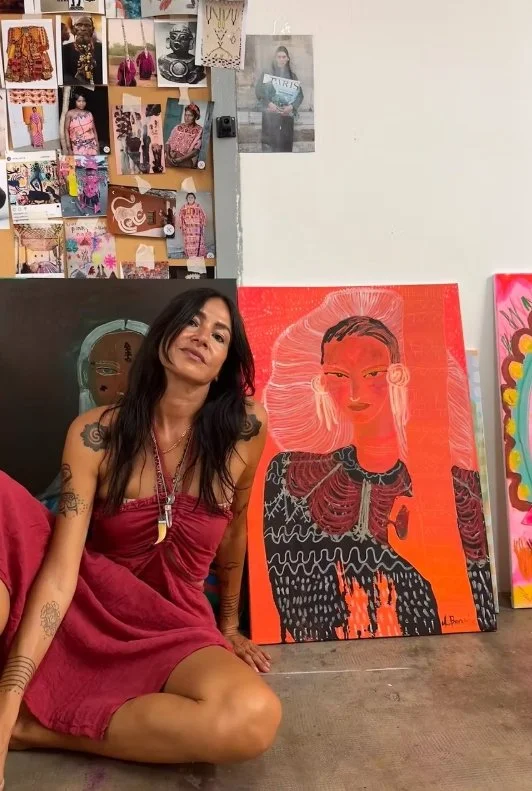
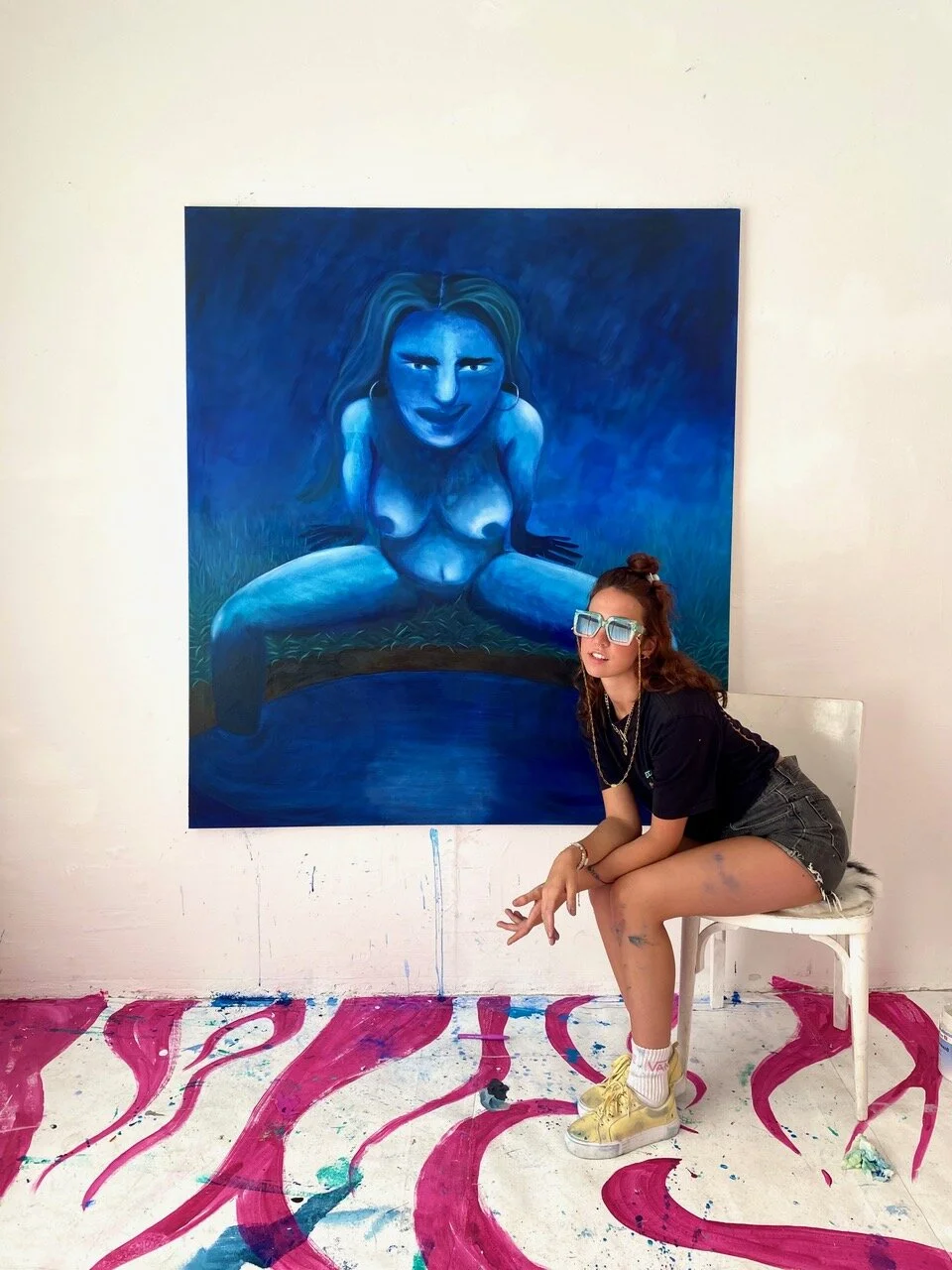
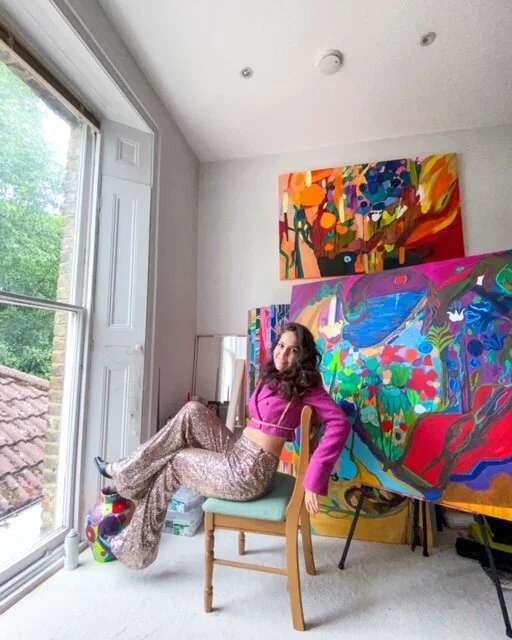
She wanted to be an artist but was afraid she wasn't talented enough — so she studied industrial design instead. Then she graduated, ignored the degree, and drew every spare hour until the work took over. Stefhany Lozano has been making bold, colourful, mysteriously joyful paintings ever since. With a solo show in Porto, a two-person show at the Leipzig art museum, and her first augmented reality project underway, she's just getting started.
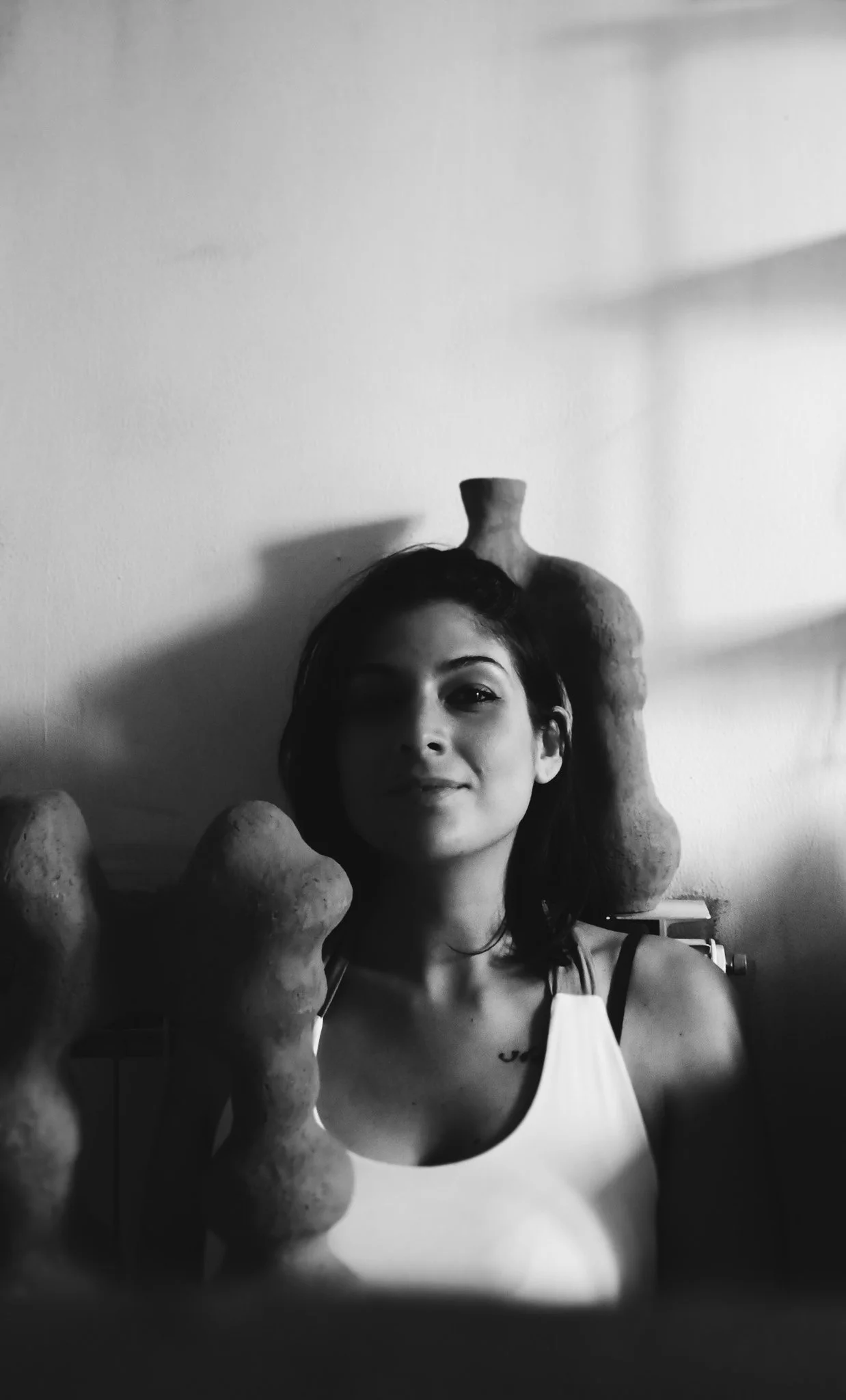
Three years ago clay arrived. From that exact moment it felt as natural as breathing. Giorgia Piu — Rose de Nour — is a ceramicist based in Rome with strong Mediterranean roots, a background in painting and drawing, and an approach to clay that is completely her own: contemplative, instinctive, and deeply rooted in the earth. She and the matter. She and I.
An Australian in Paris who let the 2015 terrorist attacks force him to question whether abstraction could be justified at all — and came out the other side with a practice built on dissent. Anthony White talks Kiefer, Foucault, the Gilets Jaunes, Rosa Parks, and why the most important thing he can tell you is: be kind.
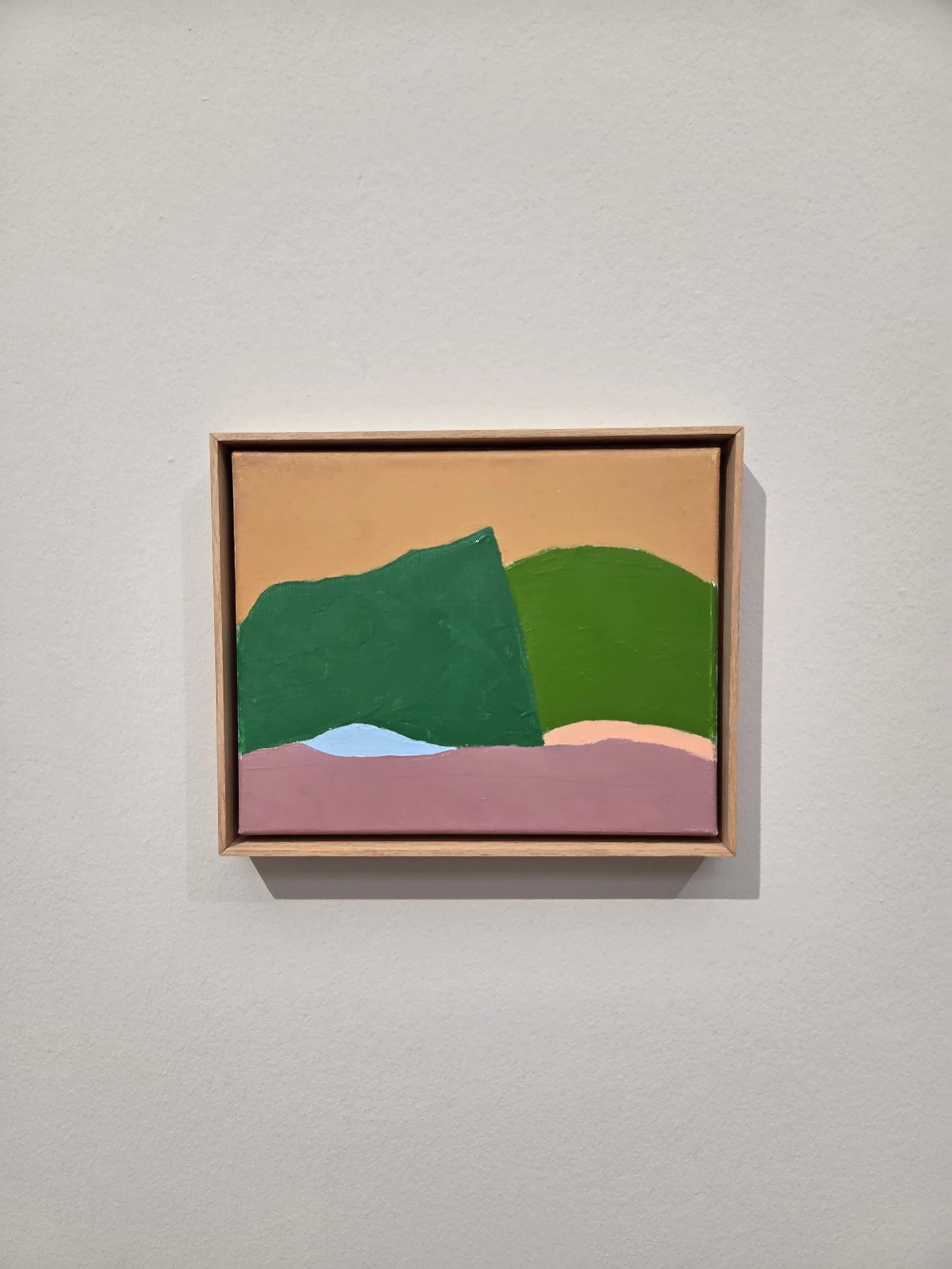
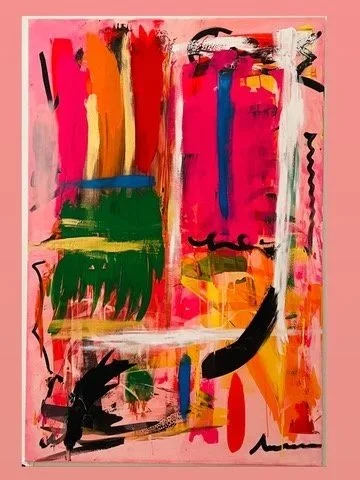
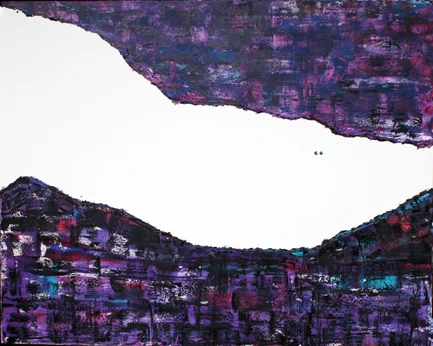
He told himself to stop painting the horizon. That decision led to shapes that represent nothing yet mean everything — upright rectangles with missing corners, silly pink shapes with black patches, cardboard from old packaging boxes treated until it becomes art. A conversation with Zaltbommel's quietly rebellious minimalist, Kees van de Wal.
Architecture student turned photographer. Istanbul to Berlin. Samsung, Nikon, Audi, Swatch. Helin Bereket on bucket lists, happy accidents, and why every person is their own icon.
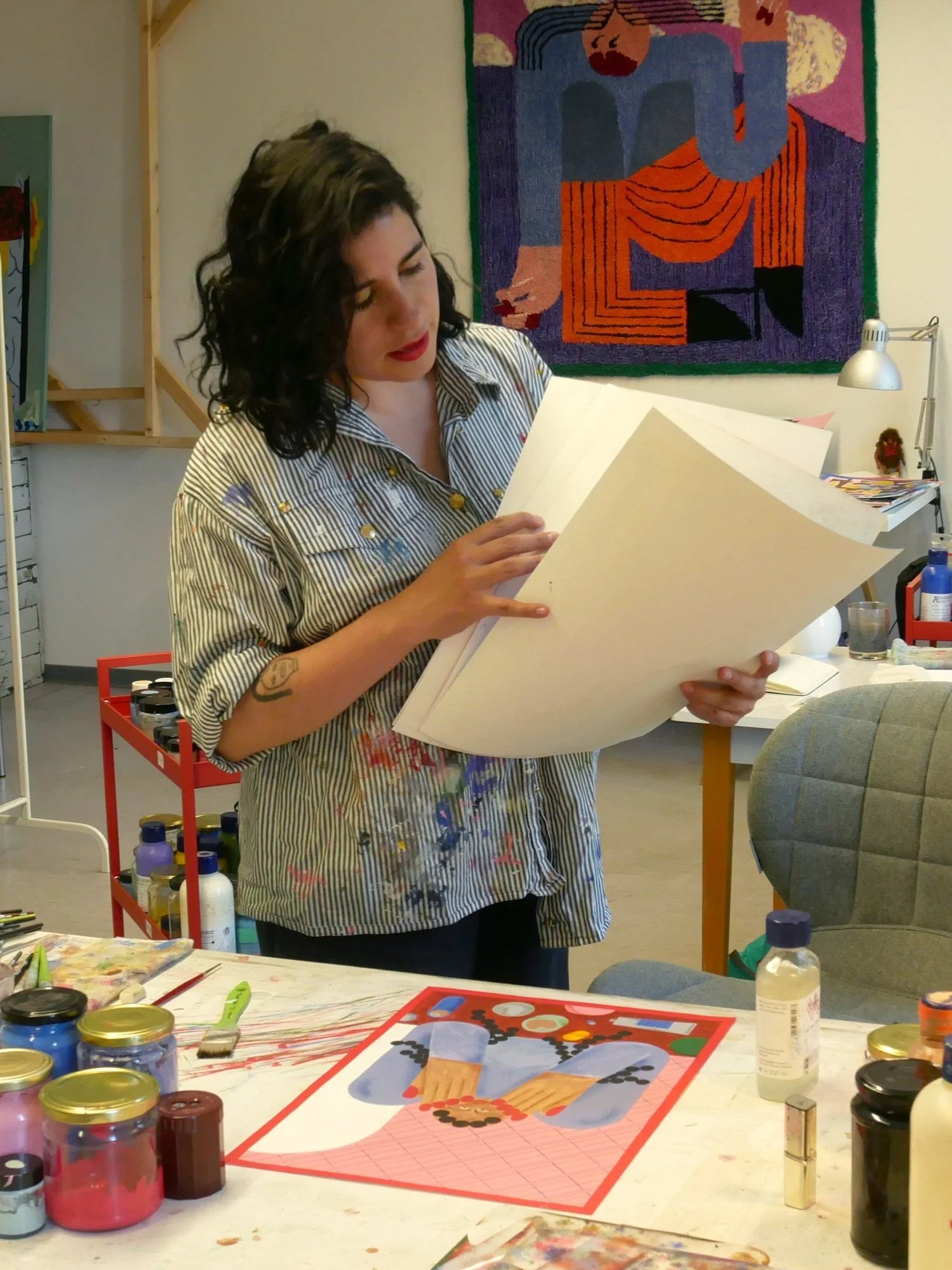
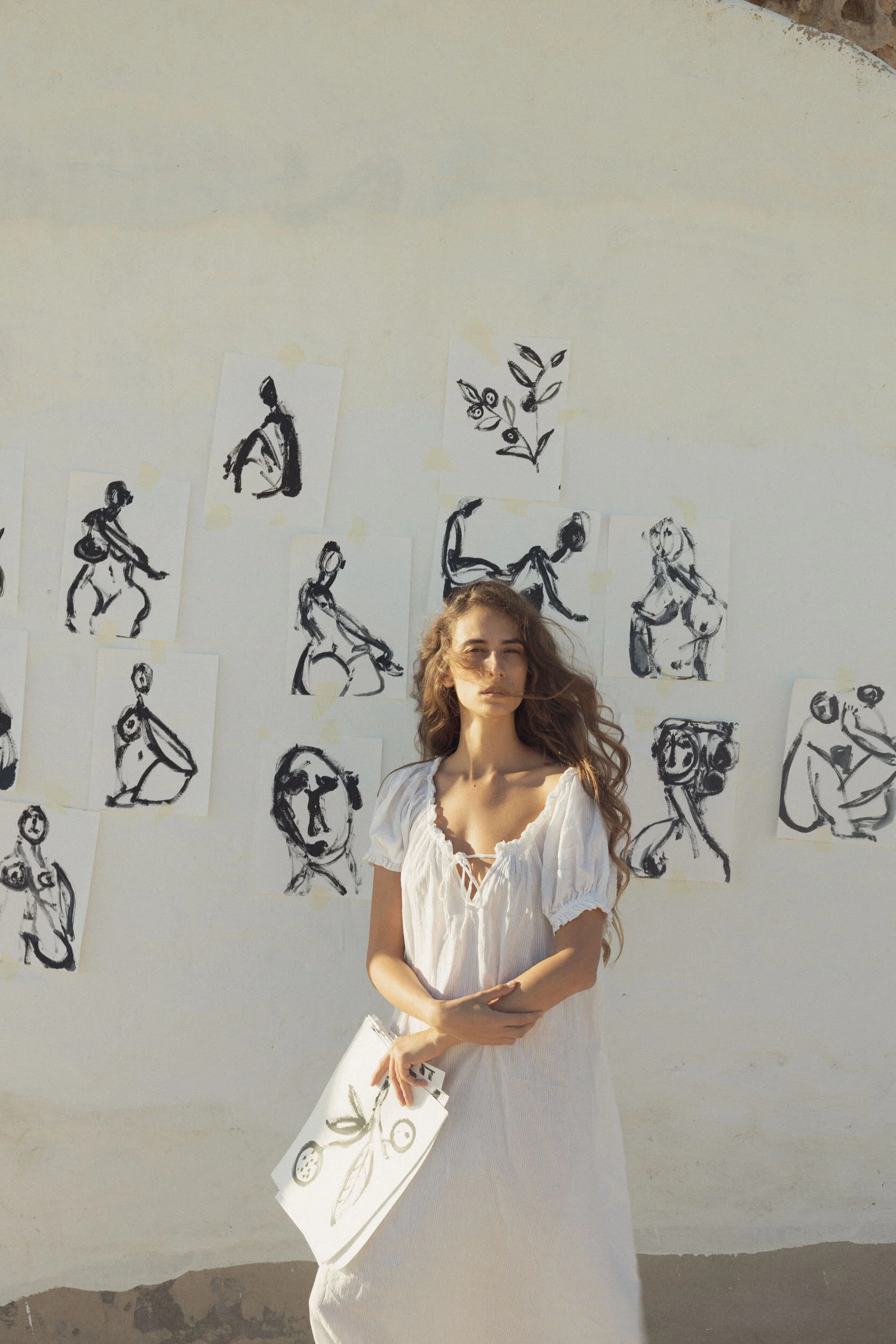
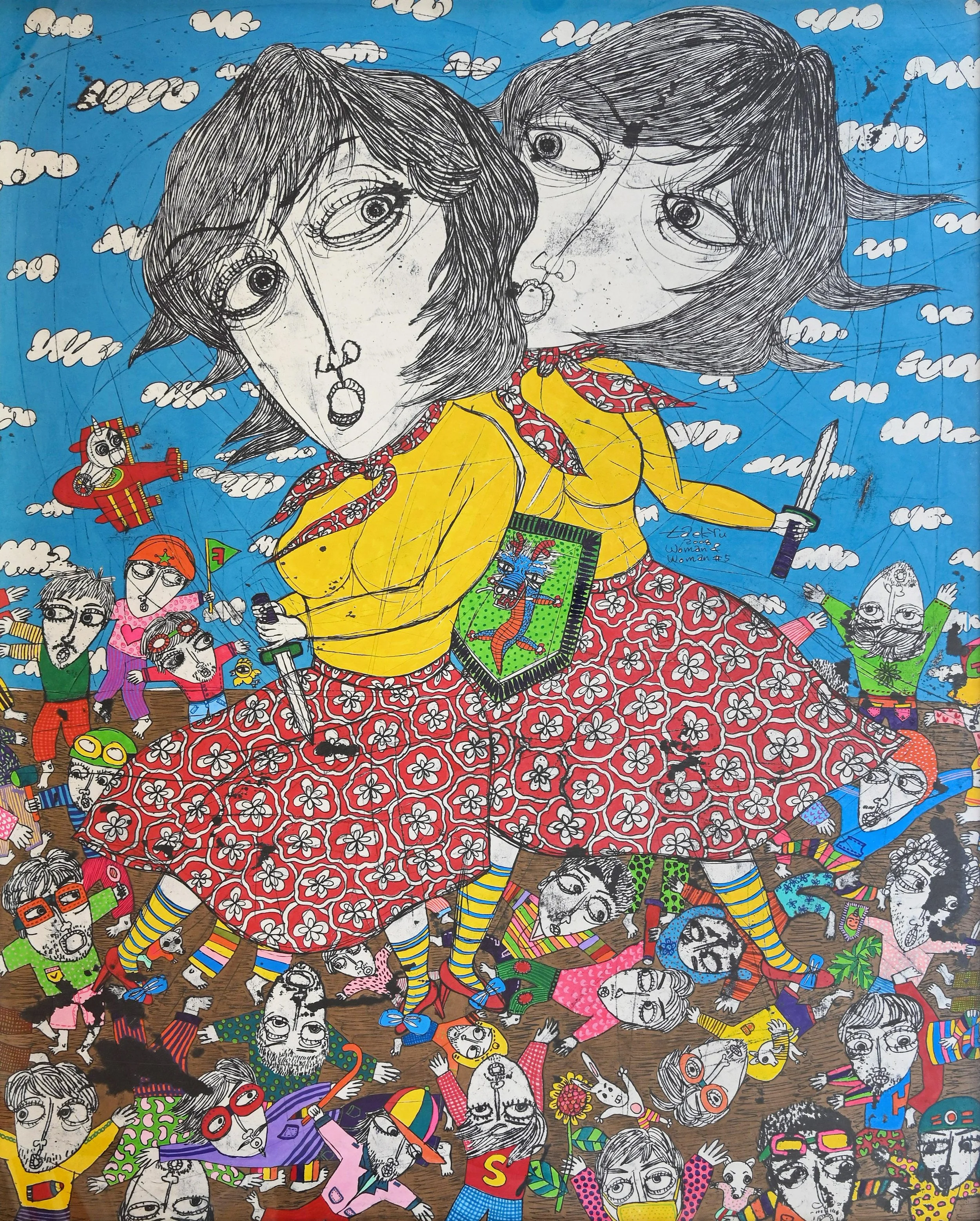
She sketches in pen — so nothing can be erased — and paints women who carry secrets. Florine Imo's imperfect goddesses are terrifying, fragile, and hypnotically irresistible. The Vienna-based painter talks lockdowns, RuPaul, and why the art world still has a long way to go.
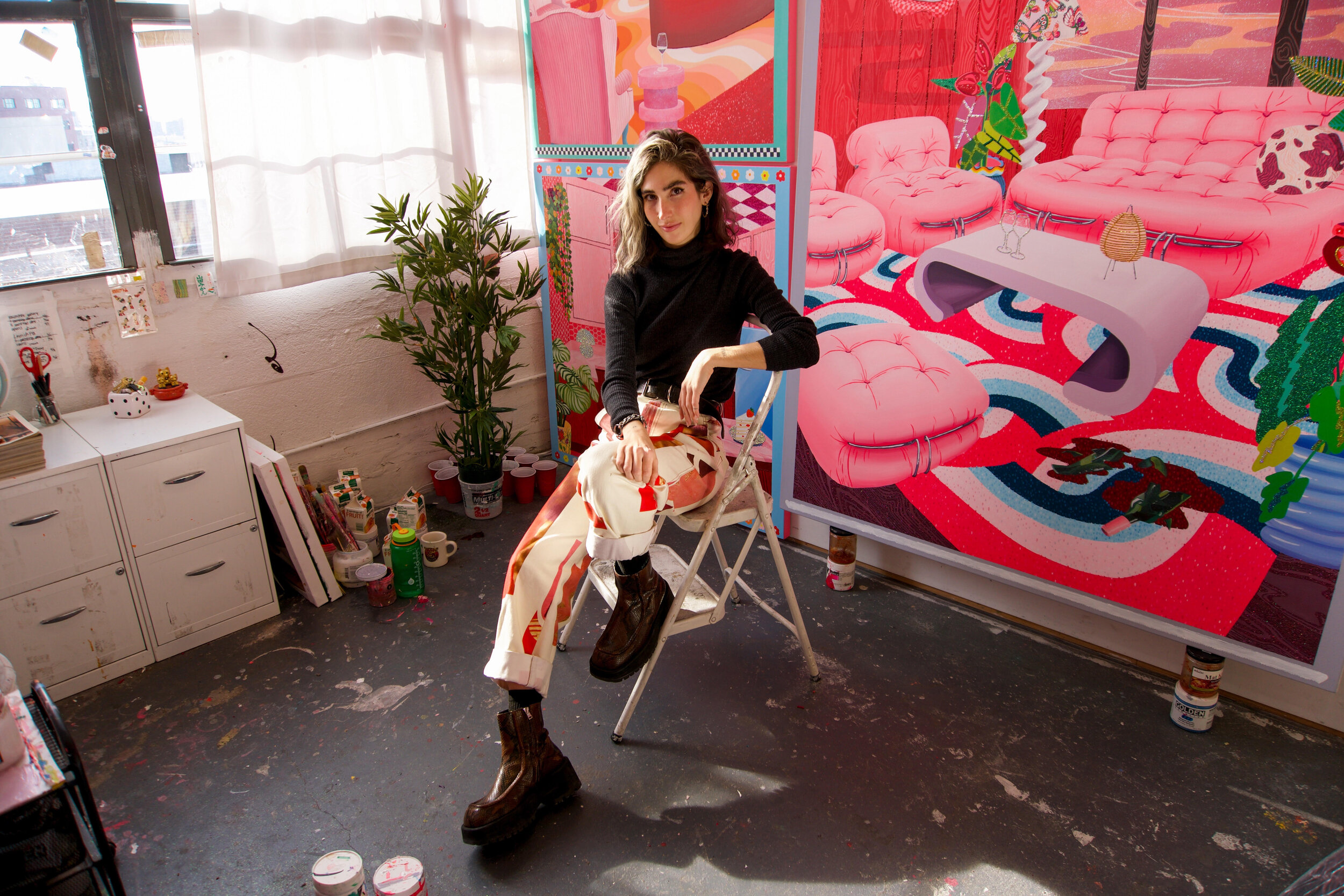
Rachael Tarravechia paints rooms that were just recently occupied. No people, no phones, no cameras — but the aura of humanity still lingers. For her exhibition If These Walls Could Talk she used photographs of her grandmother Jane's bathroom, an 80s time capsule, and added a big knife. The kind that would appear in an 80s slasher movie. A bathroom is a place where we are most vulnerable and exposed. It felt appropriate. She uses a lot of pink and glitter, and she no longer worries about that.
She lives in a falling-apart castle in Amsterdam. She made a VR film about Gestalt therapy, she's writing a solo piece about Leonora Carrington, and she has a list of 40 things that make her feel well. Eva Bartels is multiple people in one body — maybe even some animals too.
The Observer Effect says the act of seeing veils the true nature of reality. That almost sounds like art theory — and to London photographer Scott Archibald, it basically is. A conversation about Caravaggio being a card, Cardi B being queen, and a year that turned out to be surprisingly freeing.
The future of abstract painting belongs to artists who treat materials not as surfaces, but as language.
As traditional segments of the art market become increasingly saturated, a new generation of abstract painters is redefining the medium through radical experimentation with materials, texture and process. These artists are moving beyond oil on canvas and incorporating elements such as ash, industrial compounds, metal, and layered sculptural surfaces to create works that feel as much constructed as painted. The result is a more immersive and tactile form of abstraction.
For collectors, the opportunity lies not simply in acquiring aesthetically compelling work, but in recognizing artists who are pushing the language of abstraction forward with authenticity and technical rigor. As the boundaries between painting, sculpture, and installation continue to dissolve, these artists are shaping what contemporary abstraction will mean for the next decade.
Investing in Artists
"I see a curator as a catalyst, generator and motivator - a sparring partner, accompanying the artist while they build a show, and a bridge builder, creating a bridge to the public." — Hans Ulrich Obrist
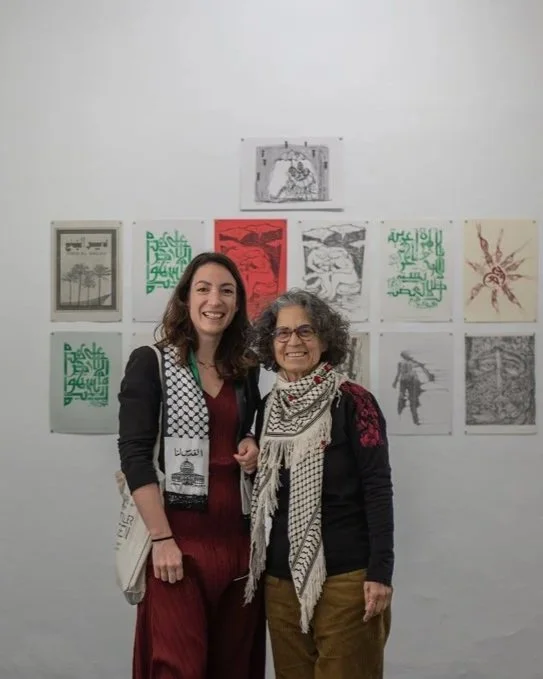
A conversation with Palestinian artist Samira Badran and independent curator Àngels Miralda on art, guardianship, and the responsibility to keep looking. Škuc Gallery, Ljubljana 2026.
Charlotte Cotton has sat at a dinner table with Henri Cartier-Bresson and William Eggleston. She has curated at the V&A, the Photographers' Gallery, and LACMA. She wrote the book — literally, in ten languages — that charted the rise of photography as an undisputed art form in the 21st century. Close Enough, her exhibition at ICP, is about something harder than any of that: the questions twelve women photographers ask themselves before they press the shutter, and after.
He is only ever and truly a writer. Other things slip in — curator, editor, teacher — but they all filter through the magic of words. Andrew Berardini has penned essays for sci-fi pagan witches and queer geniuses, co-curated Estonia's Venice Pavilion, and tracked 110 shades of colour through memory and art history. We asked him about icons. He said we should smash them all. We asked about wellbeing. He said: more love, less fear. Joy.
In the early 2000s, Dubai's contemporary art scene was not a given. It was a possibility waiting for a catalyst. Sunny Rahbar became that catalyst. She built audience before she built sales. She hosted film screenings and talks and club nights before she went to Frieze. She defended artists who had no gallery representation and watched them grow into artists shown in every significant Western institution. An Arabic name on a Western gallery's roster is no longer unusual. She is one of the reasons why.