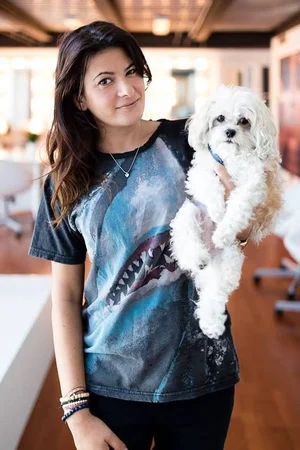
Rebecca Manners BESPOKE Jewellery Designer

Rebecca
Manners

"Life, religion and art all converge in Bali. They have no word in their language for 'artist' or 'art.' Everyone is an artist."
Greatest inspirations or influences?
I have always been an observer, soaking up the details of life. I grew up in Menorca and ever since I was very young I knew I wanted to be a designer — I always felt inspired by the natural resources around me.
I've always been fascinated with Tribes of the World, which I have been studying since I was a teen. The book Africa Adorned by Angela Fischer — who is now a dear friend and has been photographing lost tribes in Africa for over 30 years with her business partner Carol Beckwith — sparked a thirst for adventure and discovery of indigenous communities. By the time I was 18 I set out on an odyssey for three years across South East Asia, Australasia and South America, living and learning from cultures and tribes of the world.
Tell us about the entrepreneurial journey you've been on recently.
In the last three years of my life I have come full circle back to my roots, living on the island of Bali and living my passions as a designer. I have thrown myself into the deep end — travelling to some of the most remote places in Indonesia and Myanmar, searching for Master Goldsmiths and craftspeople.
I've had to learn a new language and a new way of working. It is not so much about the final product anymore but the process to get to the product. I connect right down to the source of the materials I use, working in remote villages with the genius hands that make my pieces. From volcanic mountain ranges in Java hunting for agatized fossils to the Kayah state in Myanmar, living with tribes. I am fully engaged in the whole process. I honour it and celebrate it.
I no longer create large collections. I create bespoke or limited edition pieces in an intimate way of working with artisan masters, my private collectors and clients discovering their meaning for jewellery — fusing their style with ancient traditional techniques to preserve culture and celebrate craftsmanship.
"It is the Art of Slow, mindful luxury. This is at my core and ensures compassion, transparency and most importantly authenticity."
How is your process different now than when you started?
Bex Rox was hit by a typhoon and was devastated. I realised though that I had created a business model that was not sustainable, so as an entrepreneur I decided to start from scratch. I wanted to address my business with a whole new mindset. When you enter the artisanal world supporting livelihoods and producing ethically you have to have integrity, authenticity and do your research — and keep working out in the field before you can produce anything.
Another important lesson has been to learn about cultural communication. Masters in their field are not factory lines, they are individuals with integrity and pride. They create as part of their culture, to celebrate life through the arts and to get closer to the sacred. Many Masters I have met have been dubious about working with foreigners. In order to engage you have to put in your time and respect their culture, listen to their stories, their heritage, drink gallons of sugary coffee — and most of all, be patient.
How do you see life changing for us all post corona? What lessons have you learned?
As designers, we will localise our production, recycle old stock, use what is available in our region, support smaller suppliers, or collaborate more with other brands to help small artisanal communities. I see the rise of conscious consumerism and environmental ethics as a way of life. The idea that bigger is better will not sustain anymore. I see the rise of activist designers, where the product will be about quality, not quantity.
Tell us about your creative process.
My creative process when working on bespoke pieces starts with an open consultation with my client. We discuss what jewellery means to them, what is their purpose for their bespoke piece, and much more. I will then create a vision mood board of inspirations and draw up some sketches. As the process develops I will marry the design to the right Master goldsmith with the ancient techniques and skills to bring it to life. Throughout the process I keep my collector and client updated with videos of the making of the piece until the final design is finished.
Tell us about your work as a creative consultant.
I work with brands who would like to move into supporting ethical production whilst using sustainable materials. We work with over 30 artisan communities varying from jewellery making, rattan weaving, furniture to textiles such as batik and Ikat making. The process is very much like my bespoke service yet with interiors, working with interior designers and fashion brands. I make sure that our values are aligned and that their lead times are workable. Regarding the art of slow, artisanal luxury: it is exactly that — slow, but created to the highest quality. Patience and time is needed.
"Life, religion and art all converge in Bali. They have no word in their language for 'artist' or 'art.' Everyone is an artist."
Volcanic mountain ranges in Java. Remote villages in Indonesia. The Kayah state in Myanmar. Right down to the origin of the materials. Agatized fossils. Ancient techniques. Genius hands. She goes to find them before anything else begins.
An open consultation with the client about what jewellery means to them. A vision mood board. Sketches. Then the matching of design to the right Master goldsmith — the specific ancient technique the specific piece requires. Sugary coffee. Patience. Respect.
Videos of the making process, shared with the collector throughout. No factory lines. No mass production. Each piece a living record of the hands and the culture and the place that made it. Limited edition or entirely bespoke. Never large collections.
An independent platform dedicated to artists, musicians, photographers, designers, and thinkers at every stage, from emerging voices to established masters. Every interview is selected for depth, not reach.
✦ Explore all our interviews →"We need to support alternative films, art, any artistic form that challenges mainstream."
More personal essays and cultural commentary from Leila Antakly, on art, politics, wellness, and the complicated business of paying attention.
Read on Substack ↗