WRITER ANDREW BERARDINI
Writer · Los Angeles
Artforum · Mousse · Art Bae Agenda
A conversation with
Andrew
Berardini
Quasi-essayistic prose poems on art and other vaguely lusty subjects
"I feel a deep debt to art and literature, and my life's work is an attempt to repay that debt."
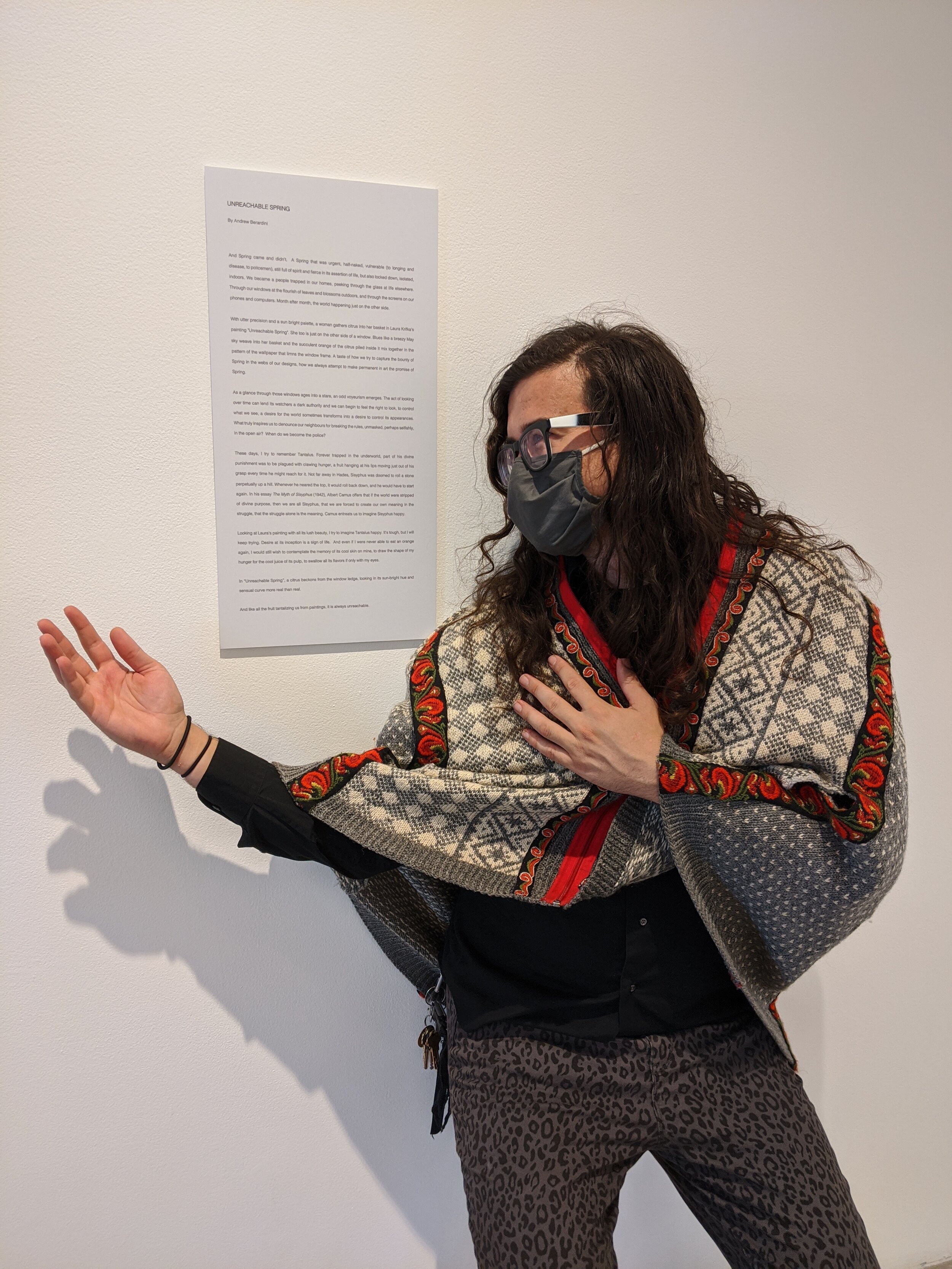
Andrew Berardini is, in his own words, only ever and truly a writer. Other vocations slide in — editor, journalist, teacher, curator — but they all filter through the magic of words. He has penned essays and books for sci-fi pagan witches and aging wolfish shamans, deviant intellectuals and queer geniuses. When he curates, he curates atmospherically: poems on the facade of the Ace Hotel, a painter's river through MOCA, a towering fountain of embodied pussies for the Pavilion of Estonia at the 2019 Venice Biennale.
A contributor to Artforum for nearly two decades, his writing has appeared in Mousse, Purple, BOMB, and for SFMOMA, the Whitney Biennial, and documenta 14. He co-founded Art Bae Agenda, teaches at the Mountain School of Arts, and received the Creative Capital / Warhol Grant for Art Writers. His book Relics — a literary atlas of 110 shades of colour, shifting through memory, sensation, and art history — remains one of the essential texts about how language can inhabit the experience of art. A collection of his writings about Los Angeles is forthcoming.
We are massive fans of his apocalypse blues and his DMT perfumes at Frieze. So we got curious.
01 · Who Are You
Tell us about yourself, Andrew.
I am only ever and truly a writer — other vocations slip in from time to time, like editor or journalist, teacher or curator, but they all filter through the magic of words.
As a writer, I've penned essays and books for sci-fi pagan witches and aging wolfish shamans, deviant intellectuals and queer geniuses, monument builders and painterly mystics. When I curate exhibitions, it's usually with others and always for exhibitions that inspire me to make extraordinary atmospheres — from poems on the facade of the Ace Hotel, a painter's river through the Museum of Contemporary Art, a heartbreaking ritual and a towering fountain of embodied pussies for the Pavilion of Estonia at the 2019 Venice Biennale.
In my work with artists, I endeavour to create through language the same experience I feel in my body looking at and experiencing their work — a vicarious vision stoked with the sensual, emotional, and psychic grace and turbulence they give me, so that others can feel it with the same all-encompassing force. I feel a deep debt to art and literature, and my life's work is an attempt to repay that debt.
Greatest Inspirations & Influences
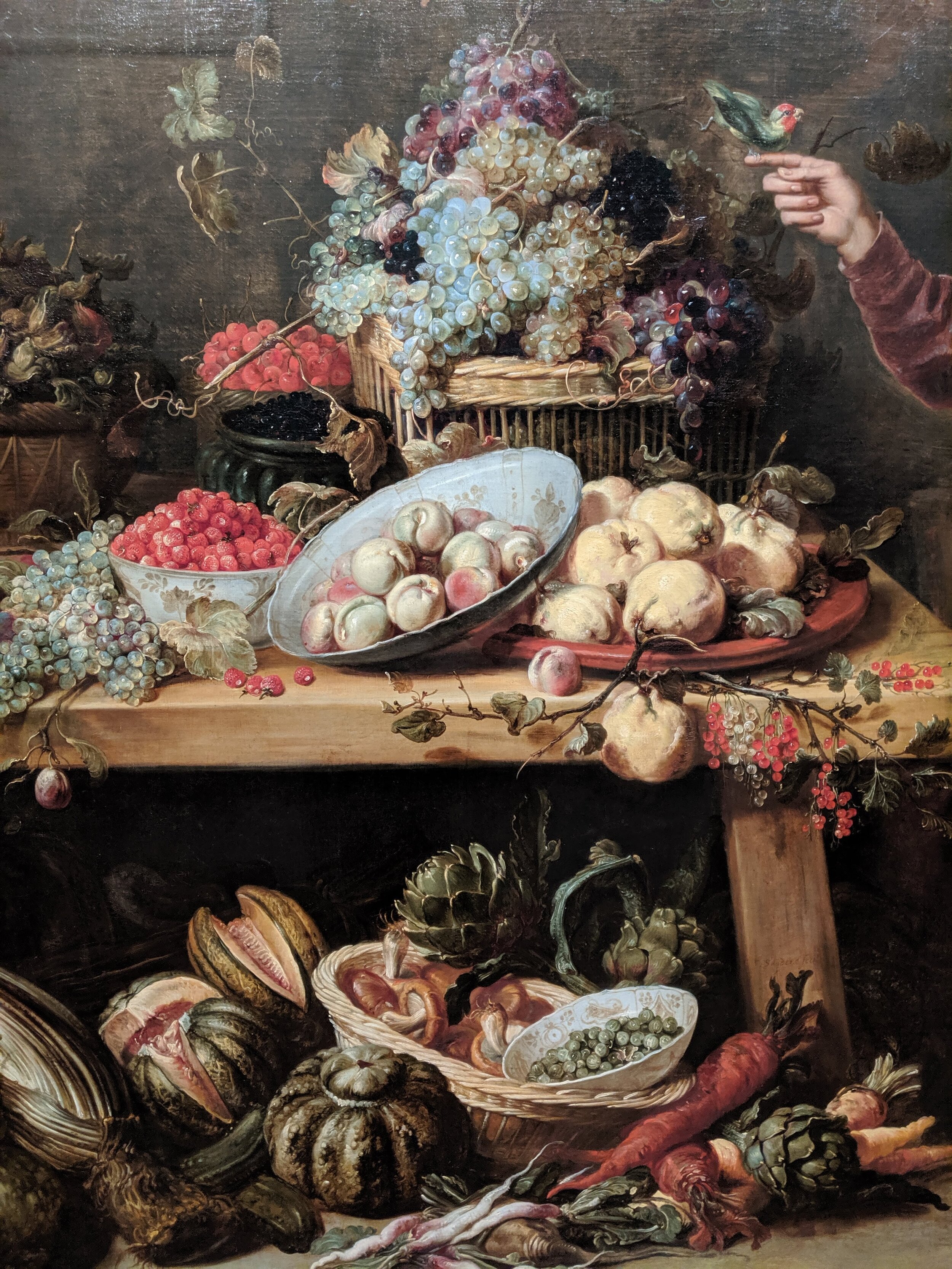
Just a few, some evergreen, others more recent: Italo Calvino's Invisible Cities, Alice Neel, Roberto Bolaño, Giovanni Intra, Piero Golia, Andrea Lissoni, Zora Neale Hurston, Martha Kirszenbaum, Anne Boyer, Maria Arusoo, Nam June Paik, Sarah Cain, Quinn Latimer, Kris Lemsalu, Chika Sagawa, Filipa Ramos, the dead creatures of Frans Snyder and the infinite aura of Agnes Martin, "Mother of Pearl" by Roxy Music, "More Women" by Saada Bonaire, "Ahwak" by Abdel Halim Hafez, everything by Nina Simone, my daughter limitlessly, the blush and bloom of flowers, the golden liquid light of sunsets, perfume from passing strangers, the parrots freed from chattel that flock around my neighbourhood with rich green feathers and clattering voices — far from their origin, belonging to no one but each other.
"
We should smash all icons. They poison both the worshippers and the worshipped.
— Andrew Berardini
02 · Process
Tell us a bit about your creative process and things you are looking forward to this year.
Trying to say those things that need to be said and that I can say. Looking for soul in all the wrong places. Endlessly getting lost in poetic research. Sometimes I can trick myself into a trance and actually say something that I hope gives feeling and thought to others.
What am I looking forward to in the coming year? Dancing, hugging, weeping, falling in love with strangers, finding myself in places I've never been and getting lost, remembering the magic of art in rooms with others.
03 · The World
How has this year changed your creativity, or how you see the world changing moving forward?
A year with more tragedies than grief can count — I have been bent but not broken. Of those of us who have survived, so many of us are wounded. We will rightly take a moment to celebrate life, its endurance and resilience, but we must make room for all of us to thrive, free from cruelty and violence, and take extra care to help those who have been hurt the worst. I am never sure the world can change for the better, but I always keep hope.
04 · Icons
Who do you consider to be an icon of our time?
We should smash all icons. They poison both the worshippers and the worshipped.
05 · The Art World
Do you think the art world needs to change, and if so how can it be improved?
Art is an expression and reflection on everything else. The greed, exclusion, viciousness, and inequality we find in art are everywhere else too. So how to change the world? I'm not sure I have the answer — we could probably start by abolishing prisons, decriminalizing poverty, stopping the continued terror and healing from the horrors of colonialism, racism, nationalism, homophobia, sexism, and colorism, defending women's rights and protecting Black bodies. We can abolish caste, halt ecological destruction, treat other species with more dignity, give everyone self-determination, liberate gender and sexuality, make room for everyone, work to destroy hoarding and scarcity, create more room for love and joy.
It's a whole lot — but with a shift of collective consciousness, we might be able to save our species, and those precious artists amongst us.
What does wellbeing mean to me? More love, less fear. A body and spirit unbreaking. A freedom to and a freedom from. Joy.
— Andrew Berardini
About the Writer
Andrew Berardini is a writer out of Los Angeles. A contributor to Artforum since 2006, he is the author of Relics (2015) — a literary atlas of 110 shades of color, shifting through memory, sensation, and art history.
He co-curated Kris Lemsalu's Estonian Pavilion at the 58th Venice Biennale, orchestrated Bruce Nauman's first-ever skywriting, performed as the Public Writer at Pierre Huyghe's retrospective, and has organised exhibitions at MOCA, Palais de Tokyo, and Castello di Rivoli.
Often disabled by illness, he bends meaning into poetic reverie — language as tender, strange, and alive. His collected writings about Los Angeles are forthcoming.
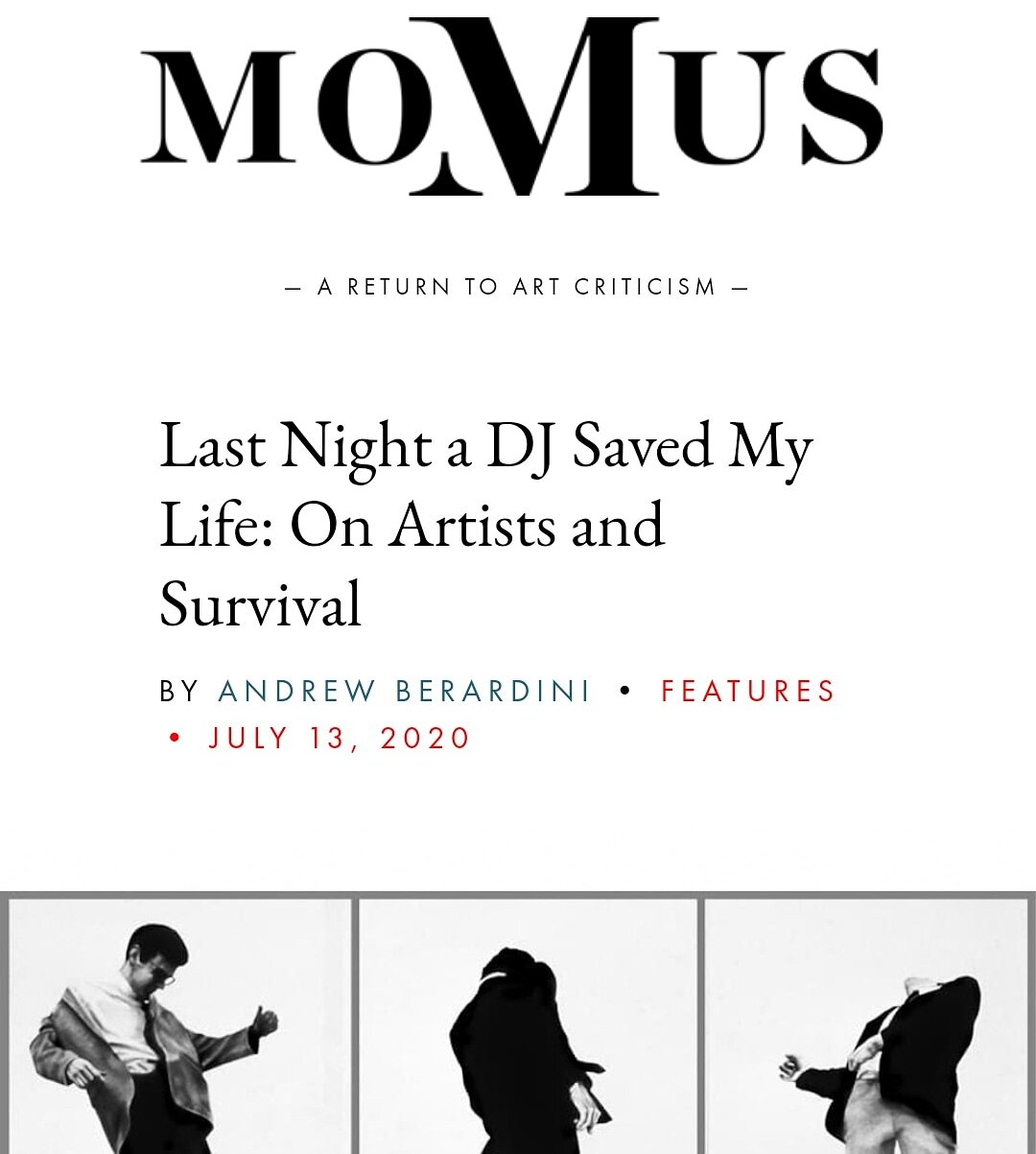
Read This → Mousse Magazine
Let's Talk About Artificial Intelligence Art
Andrew's recent essay for Mousse Magazine on AI, art, and what any of it means. Characteristically he makes it weirder and better than you'd expect.
Read on Mousse ↗