Colt Seager: Painting the Thin Place
Colt Seager
There is a stretch of prairie west of Chicago where the horizon goes on longer than seems possible, where the sky presses down close to the earth. The Celtic tradition has a name for places like this. Thin places. Where the boundary between the everyday world and the sacred collapses.
Tell us about yourself.
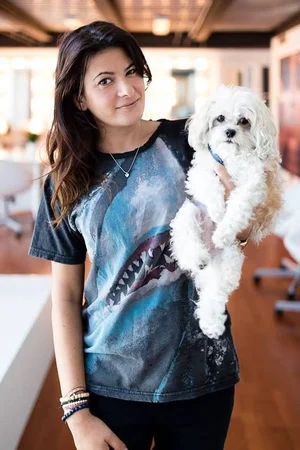
Colt Seager is an abstract painter and multidisciplinary artist living and working outside of Chicago. A graduate of Wheaton College, where he studied art and theology, his background in art goes all the way back to childhood: his grandmother was a professional artist, and he grew up surrounded by her work. He didn't take art seriously until college, where he spent most of his time printmaking and doing graphic design.
"I first explored painting for my senior show and from that moment on, I fell in love with the medium. When it comes to painting, I am 100% self taught. I never took painting classes in college so it has been a very explorative medium for me. In many ways, there is a deep freedom that I paint from because of this lack of formal painting education."

- Rhett Baruch Gallery Los Angeles
- GF Contemporary Santa Fe
- Private Walls Gallery Belgium
- Hugomento Dogpatch, San Francisco
- Architectural Digest · Elle Decor · World of Interiors · The New York Times Press
- Kelly Wearstler · Sean Anderson Design · Four Seasons Miami · Palm Heights Projects
"The Celtic tradition has a phrase for places like this: thin places. Locations on earth where the atmosphere between the human and the holy collapses, where heaven falls close and the veil that ordinarily separates the seen from the unseen becomes nearly transparent. A mountaintop, a shoreline at dawn, a particular piece of music heard at the right moment."
"I make paintings in pursuit of that threshold. Not to document it. The landscape is not my subject so much as my starting point. Each work begins in construction: layer upon layer of color, mark, and form accumulating on the surface. But the painting only comes alive through its deconstruction, through what is removed, scraped back, allowed to remain. It is in that tension between building and unbuilding that something opens. A stillness. A presence."
"My goal is not to explain the thin place but to offer an invitation into it. To make something that stops a person, not because it demands attention, but because it offers rest."
"I am not sure I will ever arrive. But the field is still there, and so is the light."
Your greatest inspirations or influences?
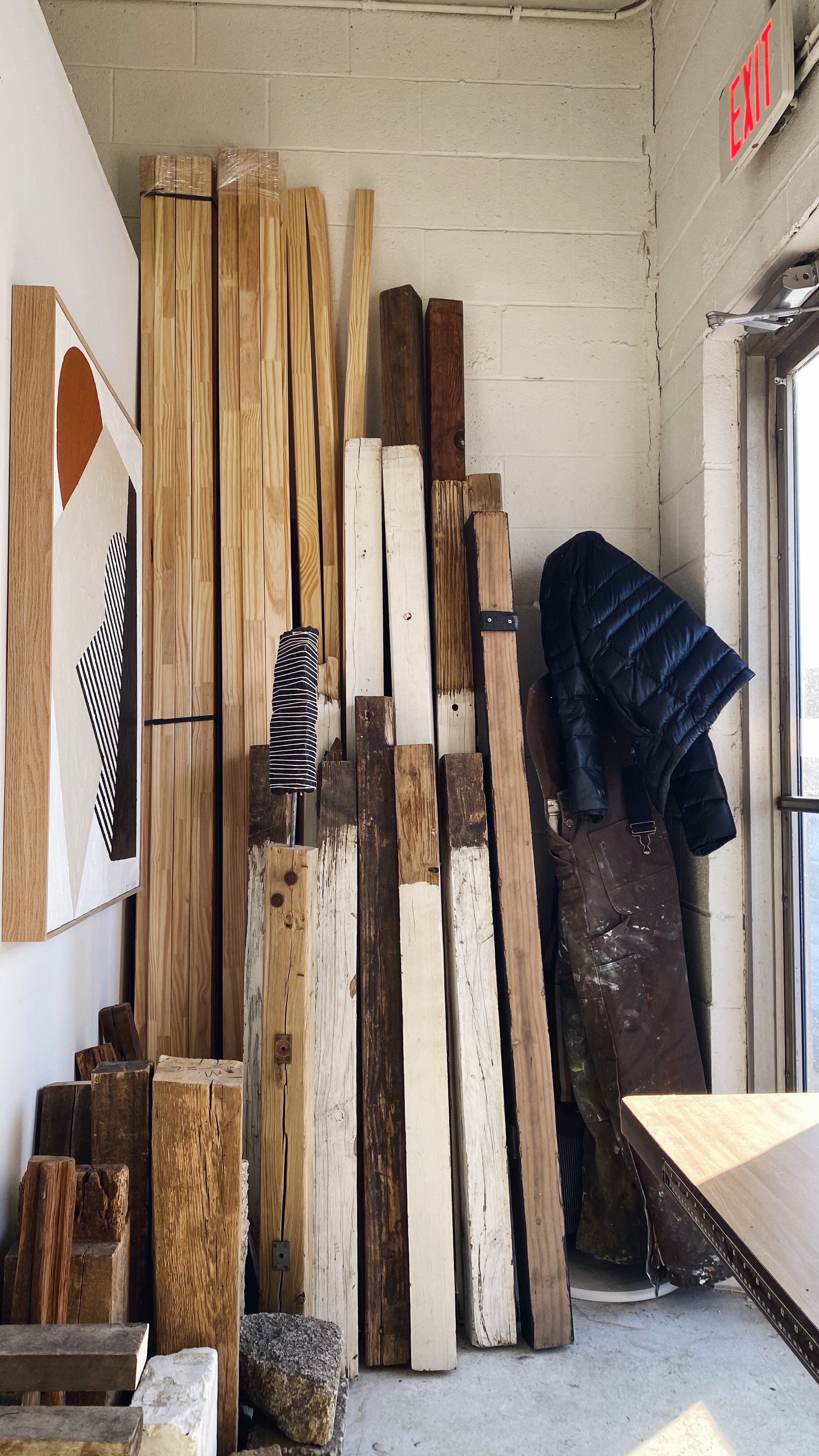
"When it comes to inspiration, music is incredibly important. I listen to a wide variety but always come back to instrumental genres like jazz, classical, and lo-fi house. In addition to music, I find deep inspiration from nature and raw materials like old beams or concrete pillars. There is something beautiful about the intersection of man-made and the natural world. The natural world creates such beautiful moments, textures, and surfaces that always move me to interpret the moments I experience through abstraction."
"My greatest influence is Abstract Expressionism. The scale, textures, and exploration of the painters who pioneered this movement is a source of encouragement in my own work. I constantly reference the attitudes, work ethics, and examples set by artists like Clyfford Still, Mark Rothko, Joan Mitchell, Philip Guston, and many others. Learning about the past is extremely important for me and presents rich inspiration as I dialogue with it in my work."
Tell us about your creative process. Work you are most proud of?
"My creative process is extremely explorative and I work solely based on intuition and discovery. I don't do any pre-planning for paintings or sculptures but rather, let the action of creating carry me through the process. Oftentimes this looks like a vigorous work session followed by a very quiet hour or two of sitting and listening to the work. For my paintings, I work predominantly with oil paint and don't spend too much time mixing colors. I usually grab colors on the spot, squeeze tubes into large mixing bowls or right onto the canvas. I often scrape a section out or let it dry and paint over an area, ultimately following my intuition and letting the painting lead me to where it needs to go."
"For sculptures, the process is actually quite similar. I work with found or salvaged materials such as pieces of concrete and old wood beams. I take the pieces and put them in various stacked arrangements, trying to find the balancing point between the shapes and materials. Then I secure them to a steel base and incorporate cotton string or whatever is needed to make the work feel completed."
"The work that I am most proud of is probably the last 4 to 5 months worth of painting and sculpture work. It consists of highly textured, large scale paintings: collaged, torn, and sewn canvas with fields of color or simple shapes. The sculptures utilize found materials collected over the last year and they offer a really nice dialogue with the paintings. I'm quite excited to reveal this new body of work, and I will be having a solo show this Fall at Hugomento."

"A vigorous work session followed by a very quiet hour or two of sitting and listening to the work."
How has this year changed your creativity, or how you see the art industry changing moving forward?
"This year has allowed me to slow down and give more time to my process. I have a tendency to work fast so it has been really good for me to spend more time on my work, lean into the process, and give it plenty of breathing room. I have seen my creativity change a lot this year in ways I wouldn't have expected. My eyes have started to see more inspiration in the world around me."
"The art world is certainly changing in big ways, as is everything else. I find there to be a lot of exciting opportunities for new artists like me to utilize platforms like Instagram that tend to dismantle the art world hierarchy. It allows for more accessibility to art, whether you follow an artist's journey or acquire a piece more easily. The world is clearly hurting and broken and I think art is a step in the right direction for the world to begin healing."
"Slow down, take risks, and spend more time in nature."
Colt Seager's work is rooted in the Midwest landscape and has entered the projects of leading interior designers from Kelly Wearstler to Sean Anderson Design, appearing everywhere from Four Seasons Miami to Palm Heights. He accepts a limited number of commissions each year; studio visits outside Chicago are available by appointment. Explore his sculpture and follow him on Instagram, or reach the studio at studio@coltseager.com.
You will also love
From the Antakly Projects archiveClay worked at the scale of the body. Material, gesture, and landscape pressed into form.
Read on Antakly Projects ↗ Art · PaintingColor as a language recovered after loss. Quiet, meditative abstraction from Seoul.
Read on Antakly Projects ↗ Art · PaintingTextured, sculptural figures built from palette knife and gold leaf. Presence over portrait.
Read on Antakly Projects ↗Antakly Projects has been in conversation with artists and creatives from around the world since 2003.
And for the personal rants, opinions you didn't ask for, and the occasional existential spiral: follow me on Substack.
Follow us on @antakly.projects (instagram) ✦ Stay curious.
The field is still there, and so is the light. ✦I