From Phnom Penh to Seoul: Twenty Years of Contemporary Art in the Asia Pacific
Contemporary Art in the Asia Pacific Region
Twenty years of paying attention.
In January 2011, I wrote a post about Art Stage Singapore. Lorenzo Rudolf, the founder of Art Basel, had just launched a new fair in the city-state, and he made a prediction in the press materials that I saved because it seemed simultaneously obvious and premature: Asia is on the way to become an important platform of the international art market. No other continent has a comparable potential.
He was right. It took another decade for the world to catch up to what he was saying. Frieze launched in Seoul in 2022 and was announced as a turning point. Mire Lee received the Hyundai Turbine Hall commission at Tate Modern in 2024. The Art Basel and UBS Global Collecting Survey that same year reported that 42 percent of new buyers among high-net-worth individuals were based in Singapore, the highest proportion anywhere in the world. Cover stories were written. The Western art world decided it was time to focus on Asia.
The artists, of course, had been working the whole time.
There is a question that an American collector named Jim Amberson asked himself when he arrived in Singapore in 1996, on the occasion of the opening of the Singapore Art Museum. He looked at the work on the walls and thought: what is Southeast Asian art? He spent the next twenty-five years trying to answer it properly. He completed a master's degree in Southeast Asian studies at the National University of Singapore. He built a collection that spans Cambodia, Myanmar, the Philippines, Indonesia, and Singapore. He loaned works to Tate Modern and the Walker Art Center in Minneapolis, where he described the placement as occupying contested space: work that the institutions received but did not know quite how to categorise. Is it marked by geography or by time? That question remains unresolved.
"Southeast Asia" is not an art historical category that emerged from within. It is a diplomatic and colonial administrative designation, a grouping of countries that share a rough geography but not a shared visual tradition, language family, religious inheritance, or colonial history. When galleries began mounting exhibitions of Southeast Asian contemporary art in New York in the 2010s, they were grouping together artists from Cambodia, the Philippines, Thailand, Indonesia, and Singapore whose practices had almost nothing structurally in common except the accident of their geography. That is not an insult to the artists. It is a description of the frame. The frame was imposed from outside.
The most interesting artists in the region have been working inside that instability for decades, not waiting for it to resolve. And the first attempt to build a Western-facing bridge to this market proved the point. Richard Koh, who has been gallerist and collector in Southeast Asia since the 1990s, with Richard Koh Fine Art now operating across Singapore, Bangkok, and Kuala Lumpur, is direct about what happened: "Art Stage ultimately failed because it became too Western-heavy, alienating regional collectors. Singapore doesn't need to chase an abstract idea of being 'international'. It already is, in its own way. It's the hub for ASEAN and Southeast Asia, with its own visual language, collectors, and price thresholds." The prediction was right. The first model was wrong. What succeeded was the inverse movement: building the infrastructure for regional artists to be seen by collectors who understood the context, and letting Western institutions come to what had already been built.

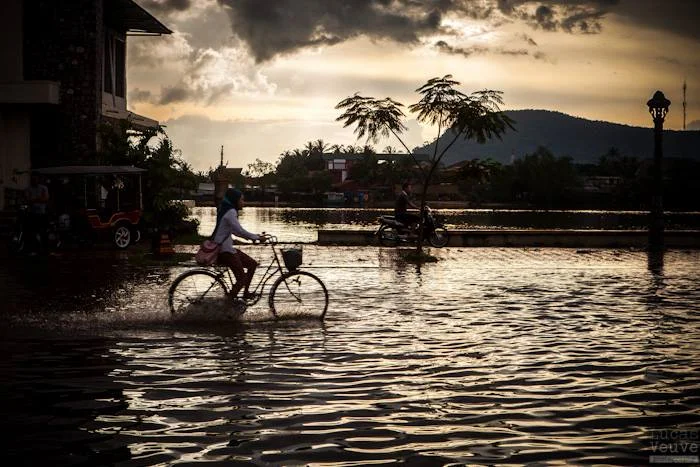
I lived in Phnom Penh for six months in 2007 and have been returning ever since. When I was there for the first time, the art scene in the city was not the subject of international art fairs or biennale pavilions. It was artists working in the aftermath of a genocide that had killed nearly a quarter of the country's population, in a city simultaneously rebuilding and being rapidly overwritten by foreign investment. The artists I met were not waiting for institutional validation. They were doing what artists do when institutions are absent or simply not paying attention: they were making the work anyway.
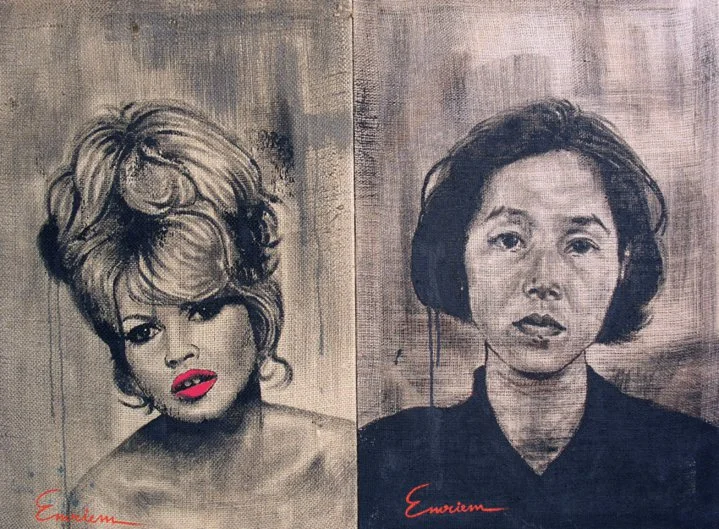
Artist Em Riem and Nov Cheanick, for example, an artist born in a refugee camp on the Thai-Cambodian border in 1989. He drew on the ground with his finger as a child because there was no paper. He studied at Phare Ponleu Selpak, an NGO arts school in Battambang, and met a French artist named Sera who introduced him to contemporary art, the idea that you could use it to express and free yourself of conventions rather than simply demonstrate technical skill. When I spoke with him he had just moved to France. His paintings follow his life, both the dark and the colourful times. They are now in the collections at 10 Chancery Lane Gallery and have been exhibited at UNESCO.
Some expats I met while living there, such as Loven Ramos, who arrived in Siem Reap in 2005 after Googling the city in response to a job advertisement. He emailed his CV, got a call hours later, went home to the Philippines, got married in his parents' garage, and was on his way to Cambodia two days later. He has since been an artist, interior designer, writer, photographer, visual poet, boutique owner, gallery founder, and hotel general manager. He created a colouring book for the Jolie-Pitt children and designed a menu for the late King Norodom Sihanouk.

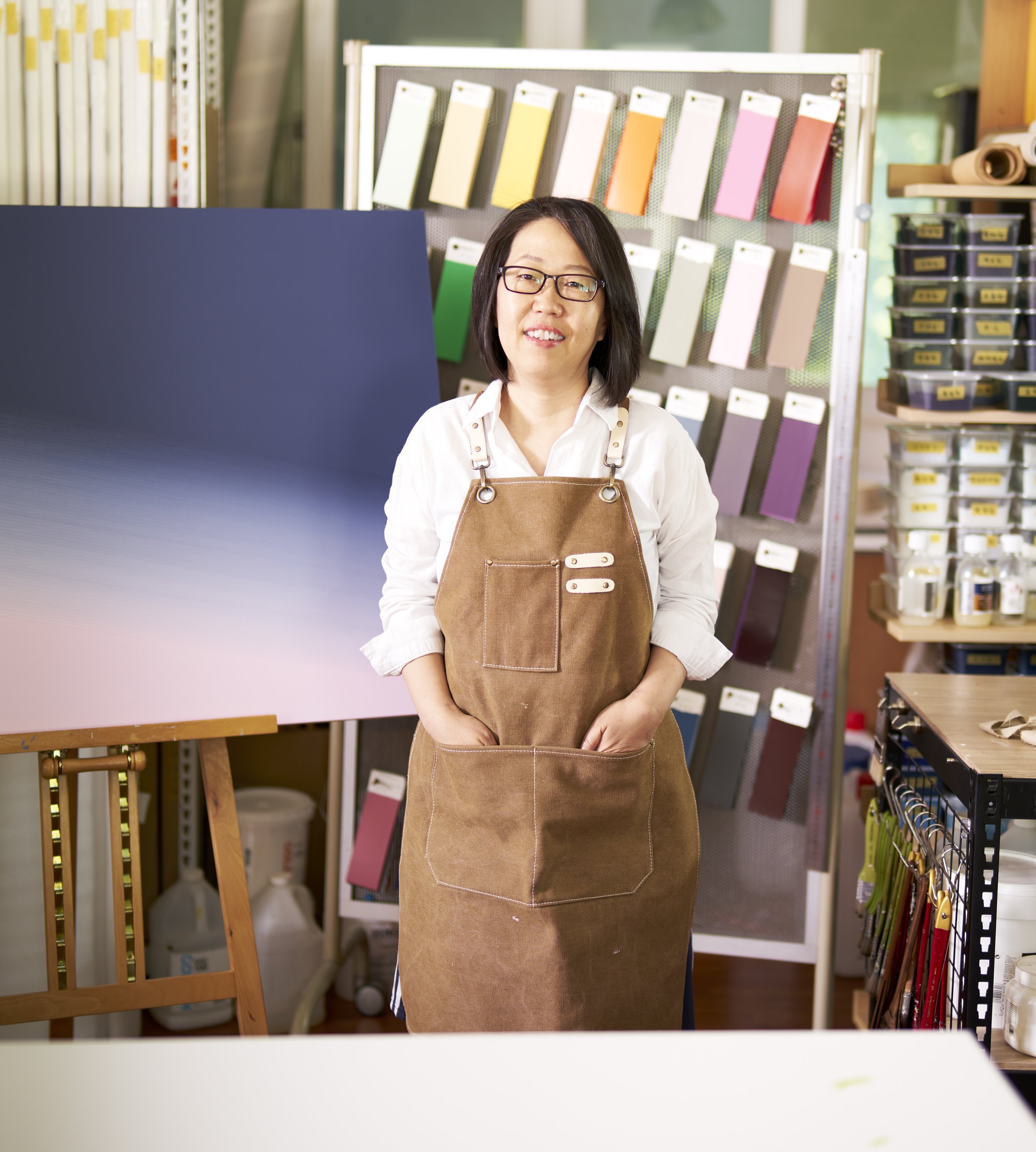
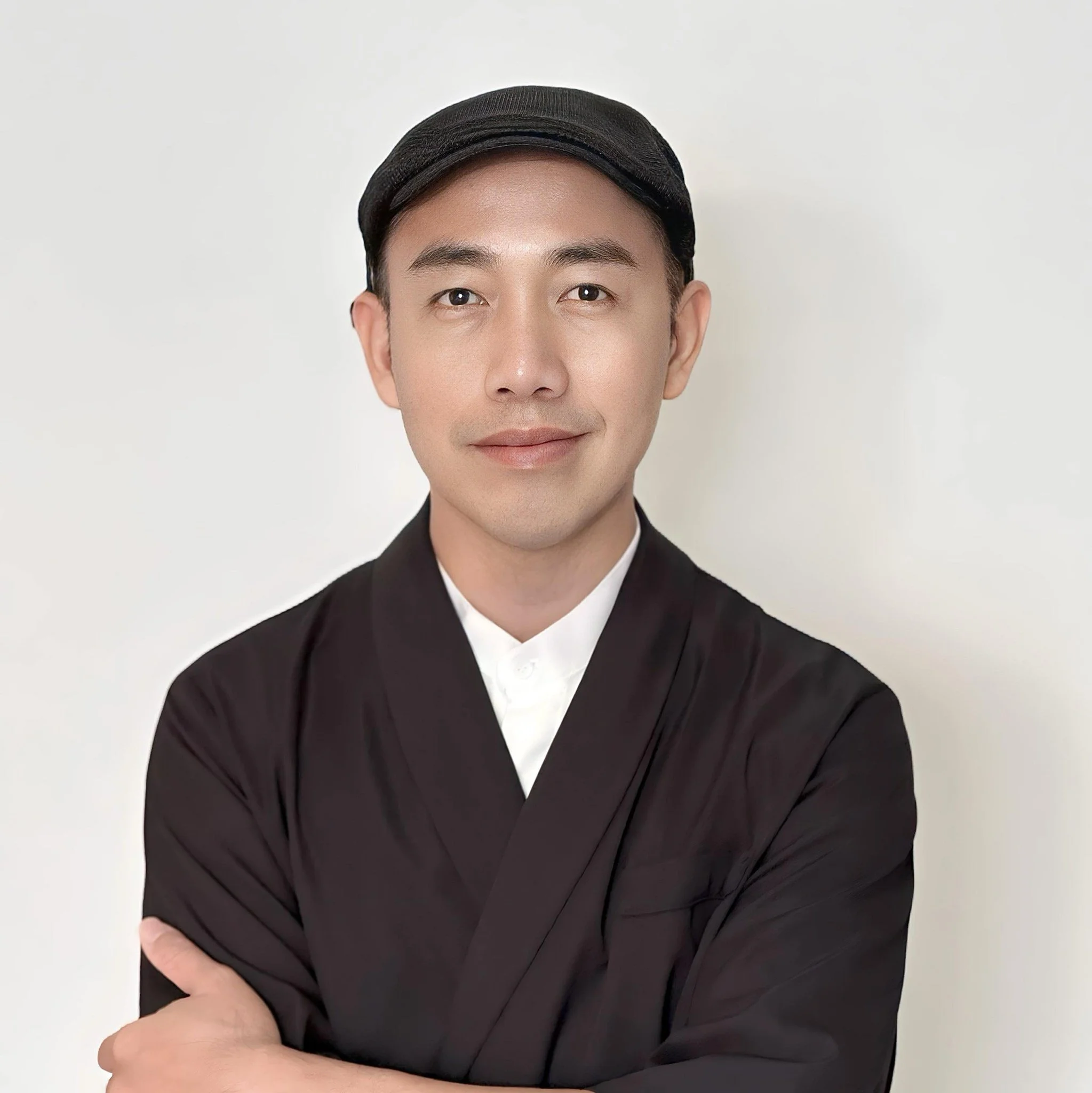
Portrait courtesy the artist
The Western art world's discovery of Asian contemporary art is real. Mire Lee's Turbine Hall commission is extraordinary. Robert Zhao Renhui's Venice Biennale pavilion, a decade-long investigation of Singapore's secondary forests and the human gaze directed at the natural world, is one of the most rigorous bodies of work being made anywhere. Heman Chong, Ho Tzu Nyen, Donna Ong: these are artists of genuine and serious international significance who deserve the attention they are now receiving.
But the discovery narrative misrepresents what happened. It suggests that the art emerged because the institutions arrived to validate it. The causality runs the other way. The art was being made regardless. What changed is that the institutions finally built the infrastructure to receive it: Frieze Seoul, Art SG, the Tate Turbine Hall, the Venice Biennale. The window of institutional attention opened, and the work that had been accumulating for decades was suddenly visible.
The collectors who arrived earliest, who built their collections in the adversarial auction-house era, who completed master's degrees because no other knowledge infrastructure existed, who went to Bangkok, Phnom Penh, and Battambang and paid attention when paying attention required being there, are the people who understood something the market confirmed too late. Richard Koh says collecting is an investment in emotions. Jim Amberson built a master's degree. Kankuro Ueshima reviews auction sites and Instagram every single day. The principle is the same: the knowledge precedes the market.
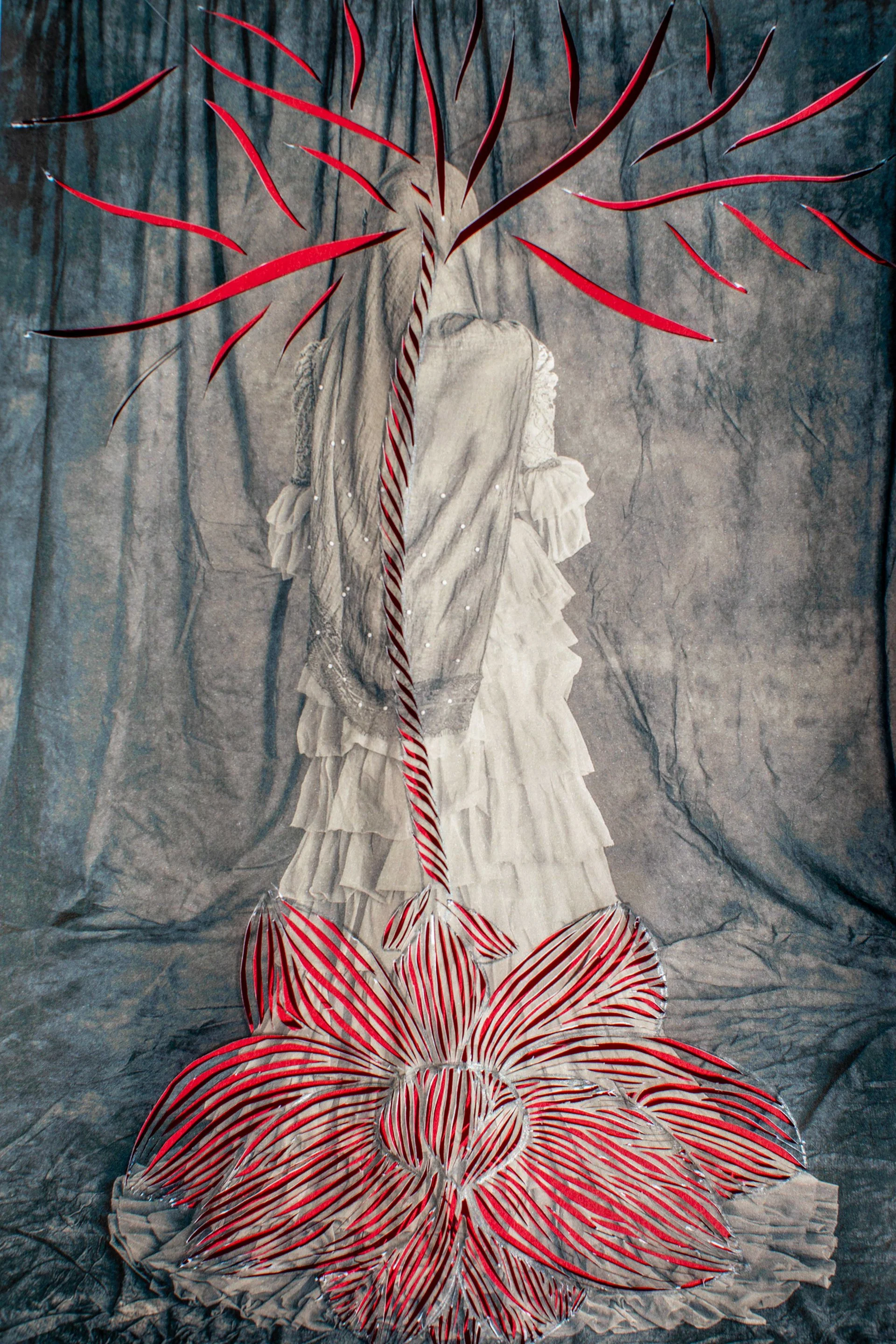
Charwei Tsai, the Taiwanese multimedia artist whose practice I have followed since she began publishing Lovely Daze in 2005, a curatorial journal now held in the library collections of Tate Modern, Centre Pompidou, MoMA, and Queensland Art Gallery, makes work that traces pilgrimage routes across Asia that predate every nation-state in the region. Her projects in Mongolia, Indonesia, and Japan are connected by the spread of tantric Buddhism from Nalanda University in the 5th century: furthest north to Mongolia, furthest south to Java, furthest east to Koyasan. The map she is working from is a thousand years older than the countries on it.
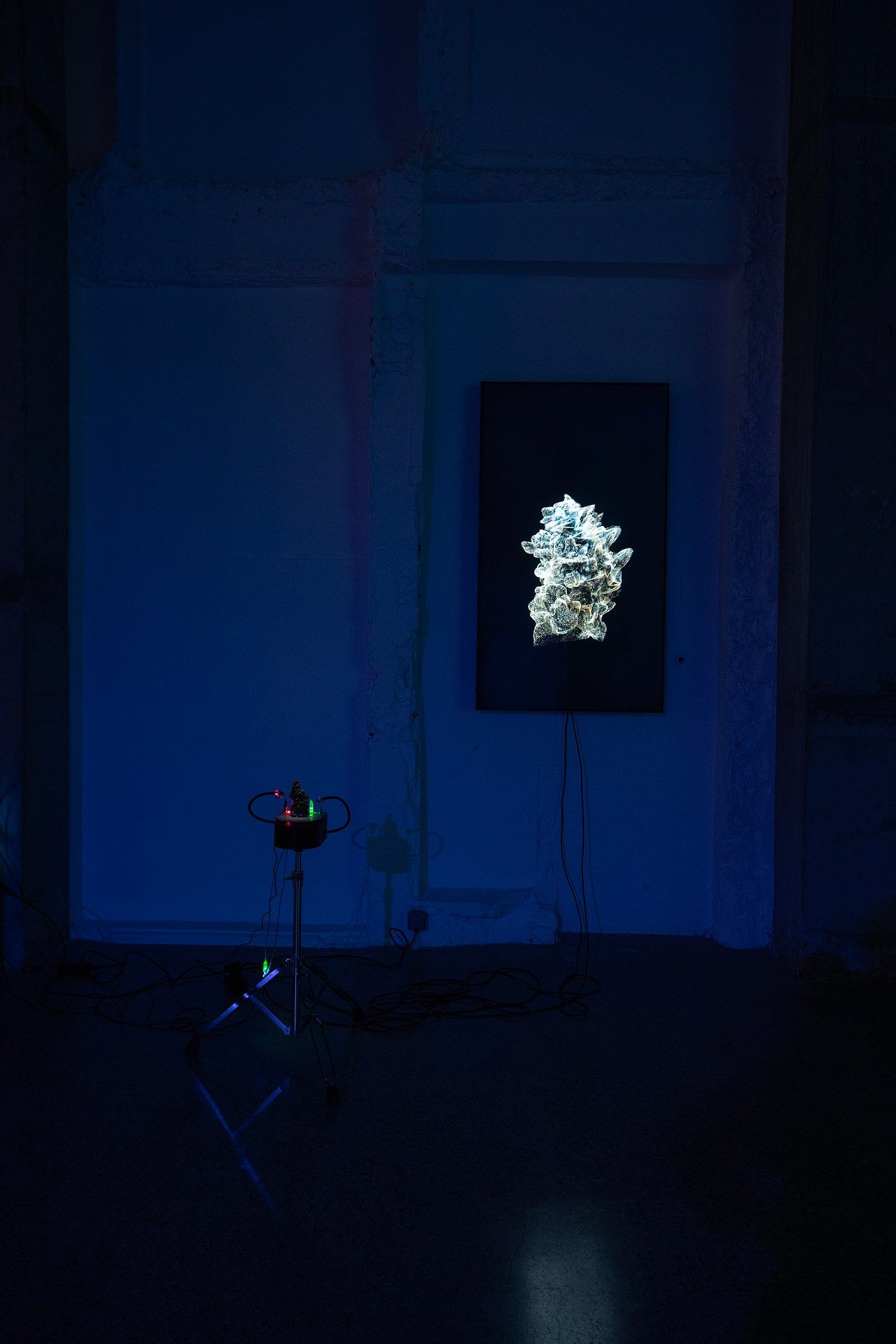
Bagus Pandega, working in Bandung, Indonesia, makes installations that trace how Indonesian and Japanese string instruments moved between cultures. He calls one series A Diasporic Mythology. The migration of instruments is a way of talking about the migration of people, ideas, and colonial influence that produced what we now call Indonesia as a nation. The nation-state is a recent container. The cultural exchange is much older and more complex.
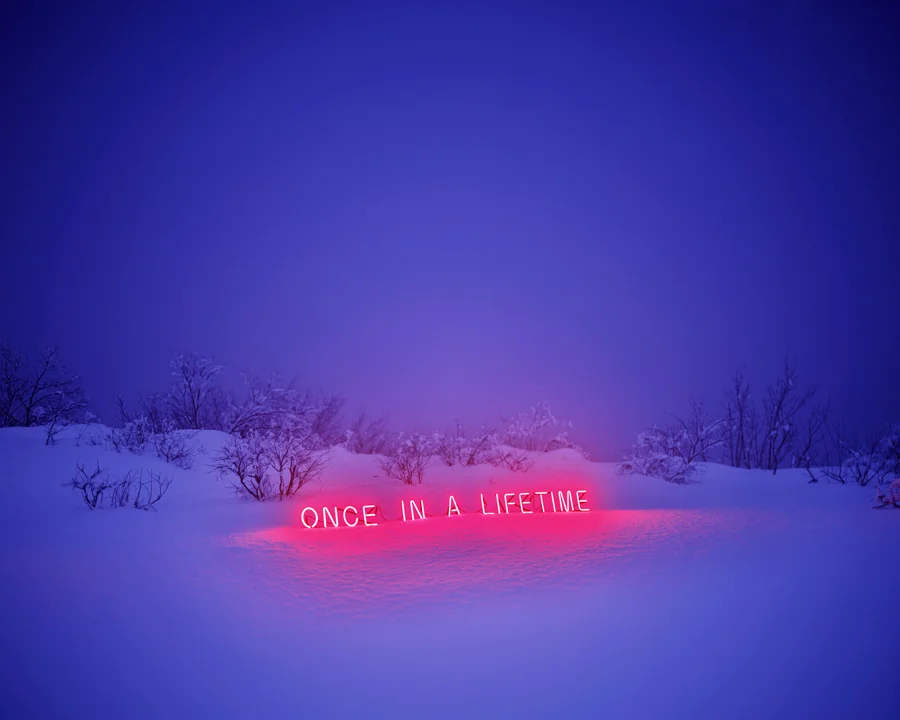
Han is the Korean word for a specific form of collective grief: a deep, accumulated sorrow and resentment born of centuries of occupation, division, and a speed of modernisation so rapid that it left the population structurally disoriented. It is the reason Jung Lee plants neon text saying "I still remember" and "How could you do this to me?" in empty Korean landscapes and photographs them at night.

I interviewed Jung Lee in 2013. She told me her central influence was Edward Said, specifically Orientalism and his autobiography Out of Place. "I often feel that the title is exactly about me," she said. She was describing the experience of being between cultures that do not fully accept you, of making work in the language of desire and displacement that is formally Korean but emotionally universal. The combination of Barthes's theory of desire, Said's theory of displacement, Korean landscapes at night, and neon text that sounds like something from a personal diary is specific. It is legible everywhere.

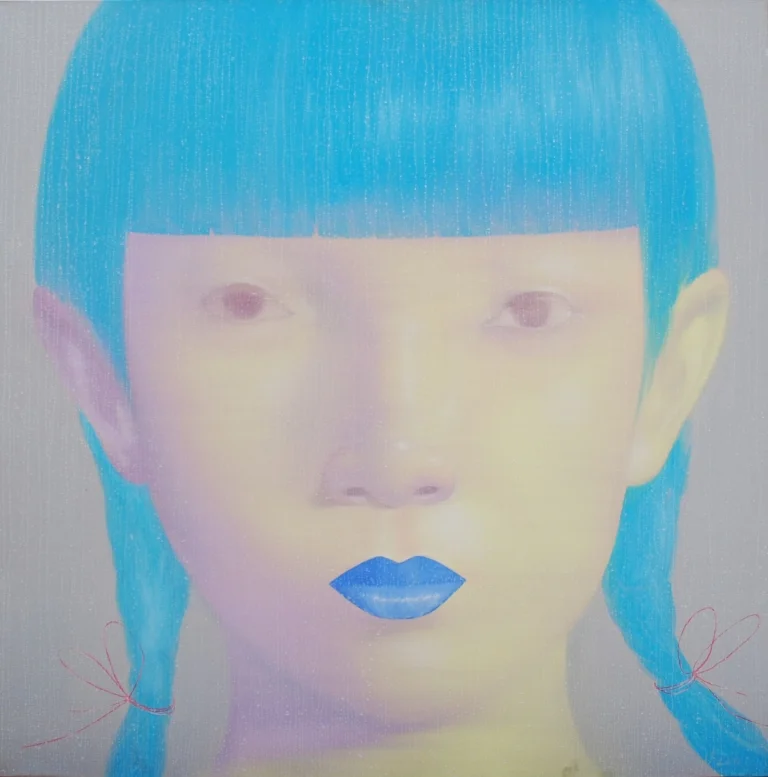
The first painting I ever bought was by Attasit Pokpong, a Thai artist already exhibiting in Beirut in 2007 when almost no Western gallery was paying attention to Bangkok. He works in watercolour and oil, painting portraits of Asian women with pale faces and vivid lips against dark grounds, and the flower markets and city streets of a city that was building its contemporary art scene quietly, outside the international frame. Knowing his work before the frame arrived changed how I looked at everything that followed.
What Korea taught the art world is that specificity is not a barrier to universality. Han is not a universal concept. But the experience it describes resonates far beyond the peninsula. The Korean artists who are most internationally legible are the ones who went most deeply into the specific. That is the lesson. It applies everywhere in the region.
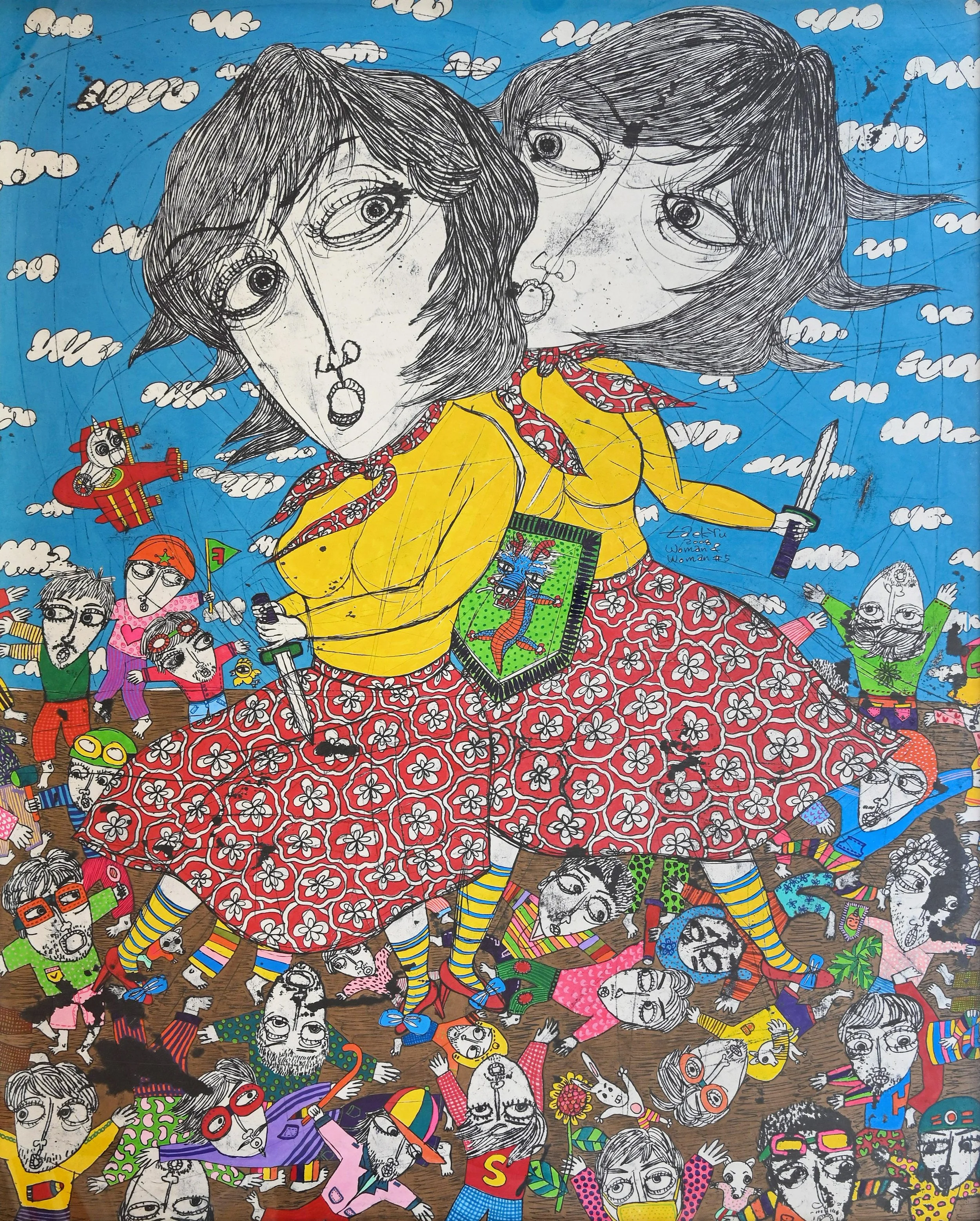
By the time Anna Lim was exhibiting at Photo Basel with AN INC. Gallery in 2024, her practice exploring the media's role in depicting war and suffering had already spanned sixteen solo exhibitions and fifty international group shows. GaHee Park was making paintings in New York that her original culture would not have permitted; she is now represented by Perrotin. Ken Gun Min's paintings of queer utopias, blending Korean pigments and Japanese bookbinding with European oil painting methods, went to Art Basel, represented by Nazarian/Curcio. All of them were in this archive before the fair placements. The pattern is not coincidence. It is what happens when you pay attention to artists before the market does.
Jim Amberson describes the Singapore collecting scene of the late 1990s and early 2000s as adversarial in the auction-house model: collectors looking at each other across the room, worrying about who would bid against them. Then something shifted around 2013. He participated in his first collectors' exhibition. He became more active in sharing his collection. The Singapore Tyler Print Institute started a patron programme in 2015 that produced what he calls "more collaboration, knowledge exchange, and friendship." Innumerable works on his walls, he says, are direct results of conversations with other collectors. The community infrastructure preceded the market moment. The collectors built the knowledge before the institutions arrived to validate it.
Kankuro Ueshima in Japan has built a collection of 500 works unified by a single principle he calls "contemporaneity." He is not collecting by geography or medium or art historical category. He is collecting work by living artists who are, in his judgment, expressing the times that everyone is living in. He fell in love with a Gerhard Richter abstract at Marian Goodman in New York in 2016. He has since bought Kohei Nawa, Theaster Gates, Takashi Murakami, Adrian Ghenie, and three Japanese artists, Kei Imazu, Makiko Kudo, and Nanae Mitobe, whom he identified before the international market did. "Contemporaneity" is not a collecting category in the traditional sense. It is a commitment to paying attention to what is actually being made now, in the world as it actually is, rather than what the market has already validated.
Jae Myung Noh in Seoul took this logic one step further: from collector to infrastructure builder. He began collecting in high school in the United States with edition prints and art toys, expanded over seventeen years into a collection of nearly 300 works, and then, in 2024, founded ART OnO — an art fair driven by a specific observation he had made as a collector inside the Korean market. "I noticed a recurring pattern," he has said, "a strong preference, especially in Asia, for certain types of art — primarily paintings — while many other compelling mediums were often overlooked." ART OnO was the institutional answer to a gap the market had not yet named. He built the fair not because the infrastructure demanded it, but because the art already existed and the infrastructure had failed to receive it. It is the same causality the essay keeps returning to: the work precedes the institution, and the collector who sees this clearly enough acts.
Richard Koh closes this argument. He has spent twenty years building the Southeast Asian art market from the inside, as gallerist and collector simultaneously. His personal collection, shown at The Private Museum Singapore during Art Week 2025, was described by him this way: "These works all hold profound emotions, each marking significant or quiet moments in the seasons of my life." He tells new collectors something that cuts against everything the market discovery narrative implies: "Art is an investment in emotions, not a financial investment." (Courtesy: Almine Rech; Art Plugged)
What these four collectors share is not taste. It is a willingness to do the intellectual work before the institutional validation arrives. Amberson's master's degree. Ueshima's daily review of auction sites, gallery pages, art media, and Instagram. Noh's recognition that the art existed and the infrastructure did not, and the decision to build it. Koh's twenty years of gallery building across three countries. The pattern is the same: you cannot buy what you cannot see, and you cannot see what you do not understand the context for.
Jim Amberson's question from 1996 is not answered by Frieze Seoul. It is not answered by any art fair or biennale pavilion or Turbine Hall commission. It is answered, partially and provisionally and always incompletely, by the artists themselves: through the specific, irreducible work they make in the specific, irreducible places they inhabit, from traditions and histories and political conditions that do not fit neatly into any category the Western art world has proposed for them.
The most interesting thing about the geography the art world invented too late is that it was never waiting to be invented. It was already there. The artists had been working inside it for decades. Some of us had been paying attention.
"Collectors are very considered in what they are buying, engaging deeply and thinking about long-term purchases. We saw strong engagement and sales of works by both established international names and artists with a connection to Asia, which reflects a desire to grow diverse and authentic collections."
"Singapore doesn't need to chase an abstract idea of being 'international'. It already is, in its own way. It's the hub for ASEAN and Southeast Asia, with its own visual language, collectors, and price thresholds. Art Stage ultimately failed because it became too Western-heavy, alienating regional collectors."
"The first generation was busy with making money. The next generation focuses on giving back to the community. They are keen on collaborating with fellow collectors in the region."
"I noticed a recurring pattern: a strong preference, especially in Asia, for certain types of art — primarily paintings — while many other compelling mediums were often overlooked. It became clear that if I wanted to see a fair that genuinely reflected a broader, more inclusive vision of contemporary art, I would need to initiate it myself."
"These works all hold profound emotions, each marking significant or quiet moments in the seasons of my life."