THE TALENTED MR. HUGH FOX

Hugh Fox: Spaces, Play and the Ordinary Made Strange | Antakly Projects
Antakly Projects  ·  Photography  ·  Brighton Sony World Photography Awards  ·  Professional Portfolio Winner

Hugh Fox

Spaces, Play and the
Ordinary Made Strange

Award-winning photographer, artist, and resident of The Phoenix Studios, Brighton. His work asks where physical space ends and the internal world begins.

Brighton, UK  ·  The Phoenix Studios Portrait  ·  Documentary  ·  Conceptual MA Brighton University 2012
Hugh Fox, Edition 365, Image Hugh Fox
Hugh Fox
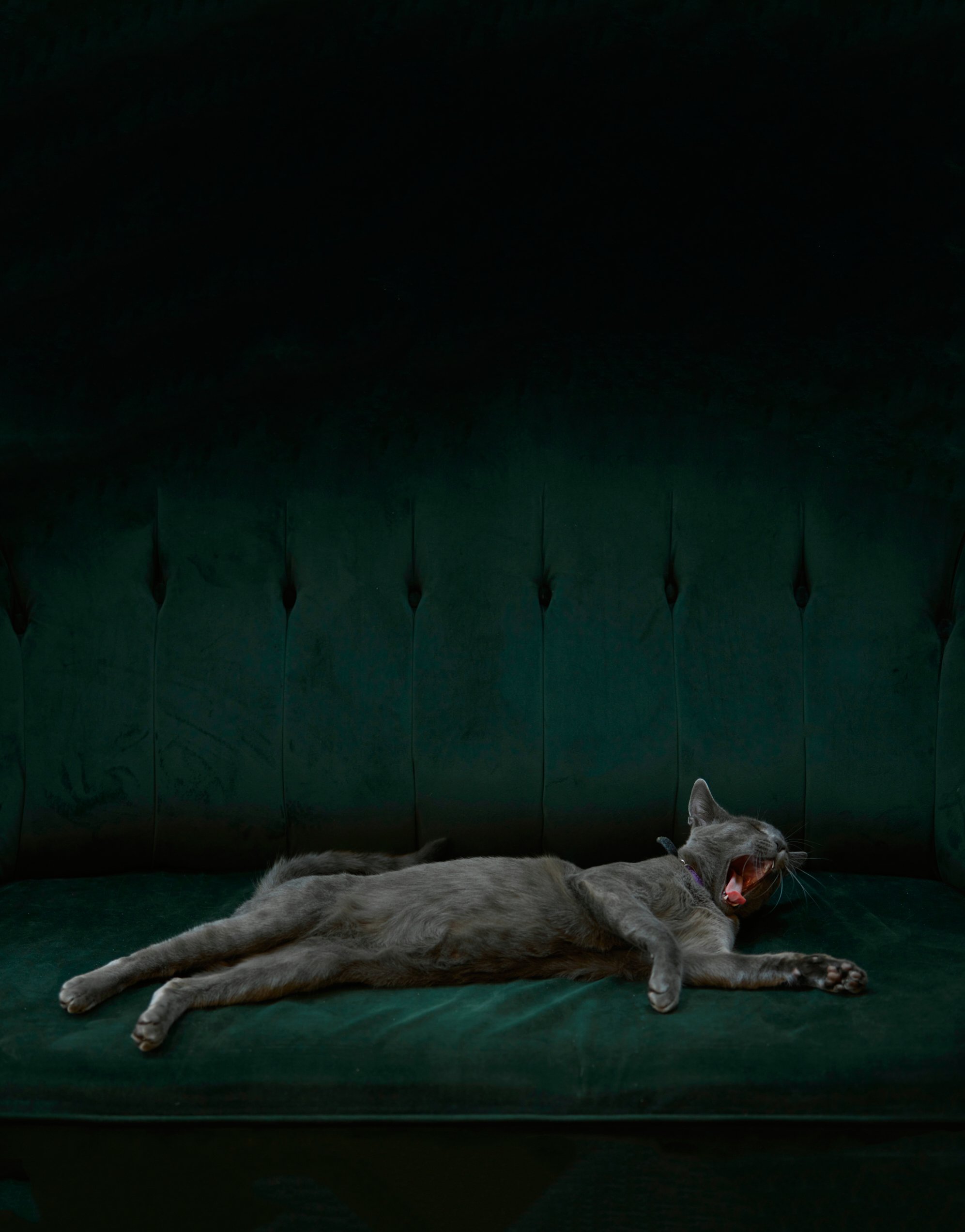
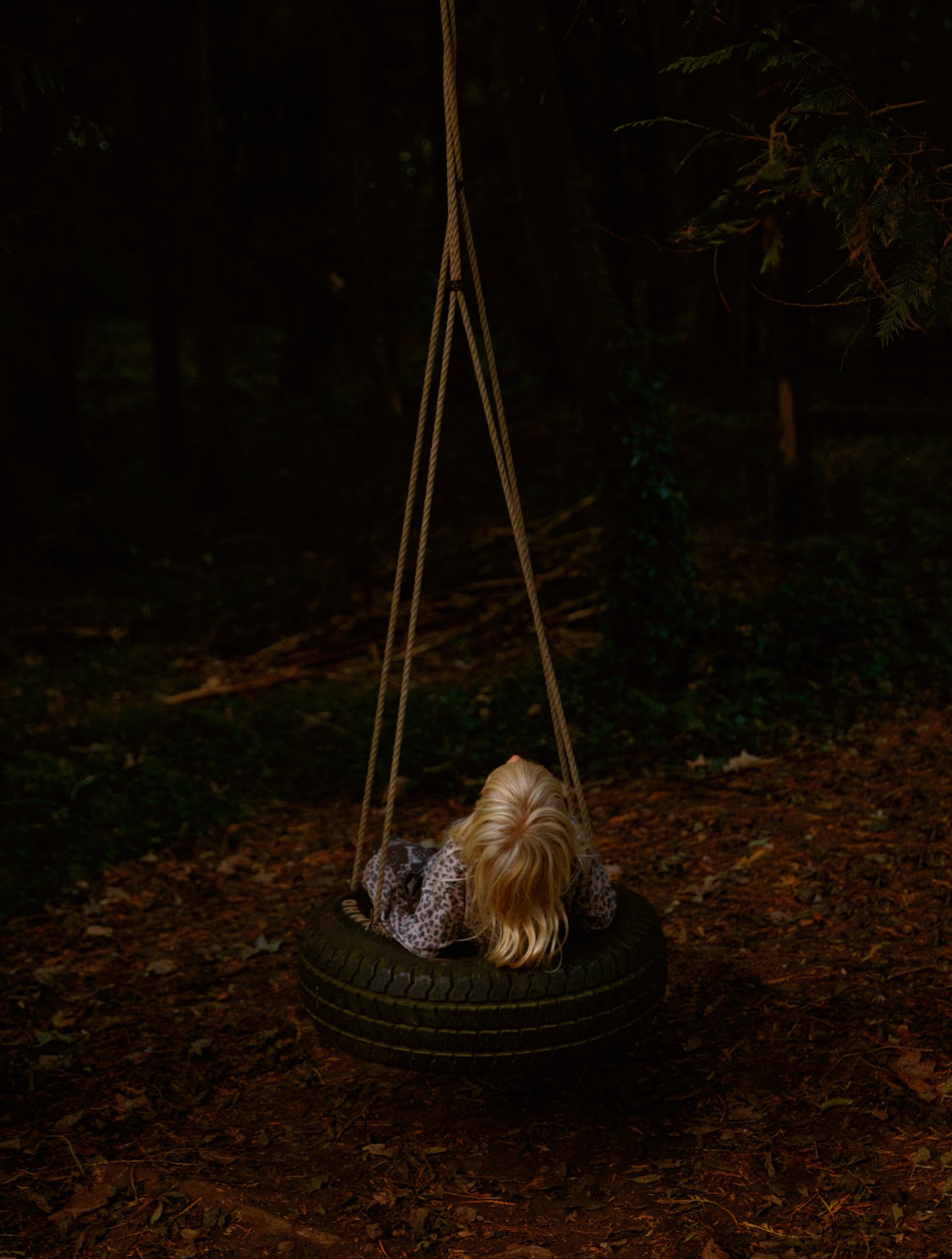
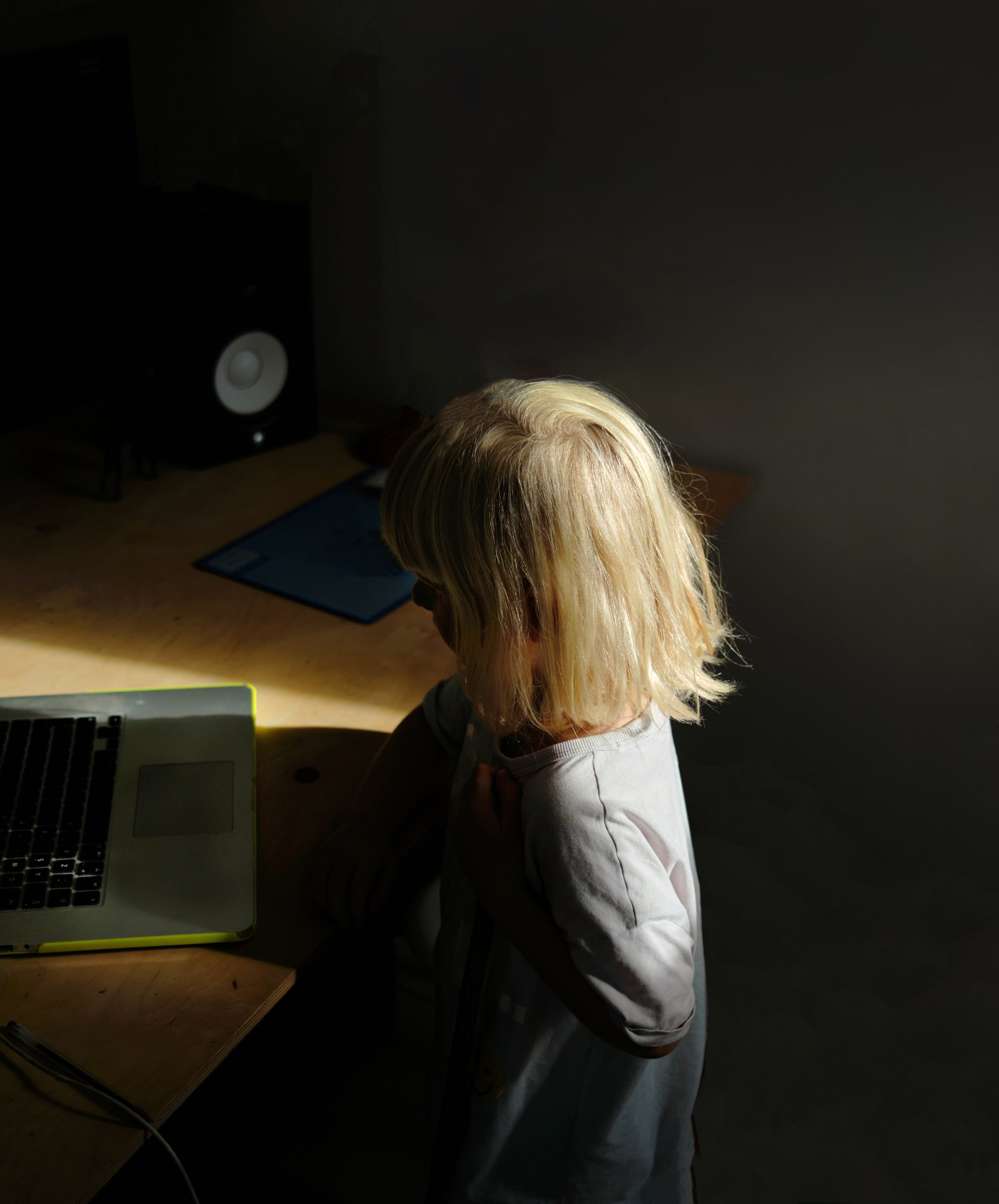
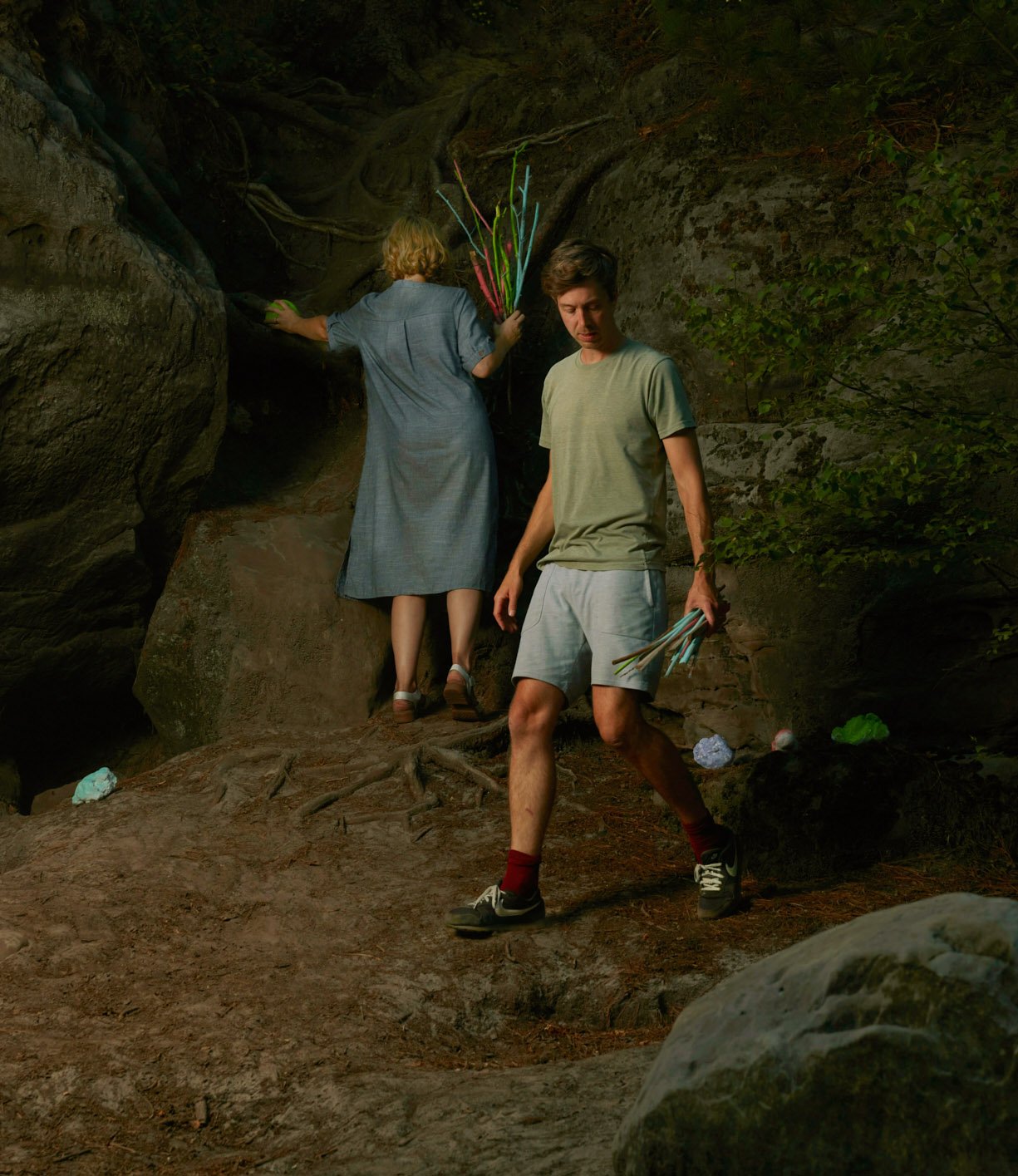
Leila chose to speak with Hugh Fox because of the particular quality in his photographs: a stillness that contains something unresolved, something between the staged and the real, the funny and the melancholy. And because he won the Sony World Photography Award Portfolio prize, and the work that won it looked nothing like a competition entry.

Hugh Fox is an award-winning British photographer working commercially for over ten years in portraits and documentary projects, and concurrently as a practicing artist and resident of The Phoenix Studios in Brighton. He completed his MA at Brighton University in 2012, developing a practice that weaves photography with sound, moving image, and sculpture.

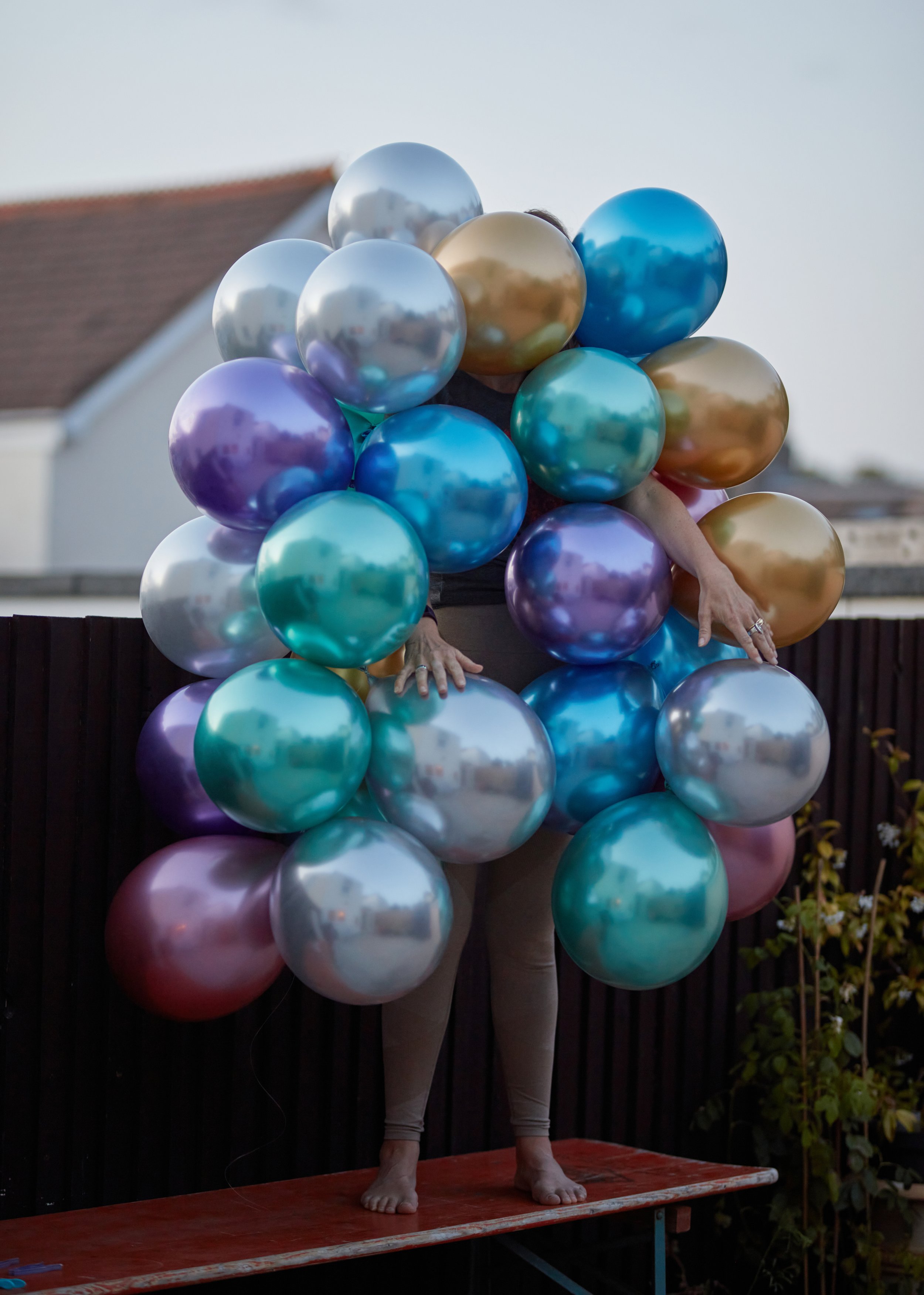
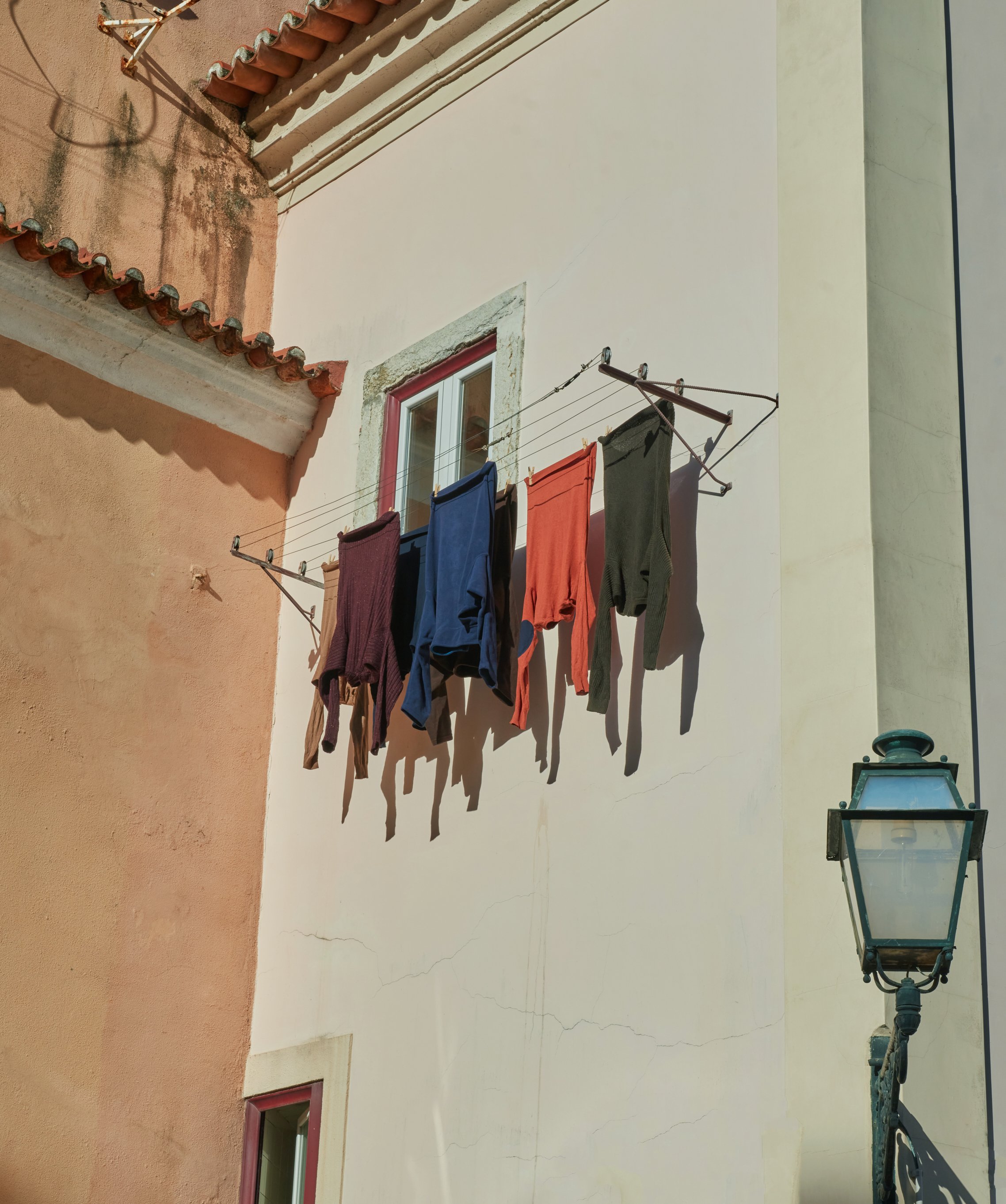
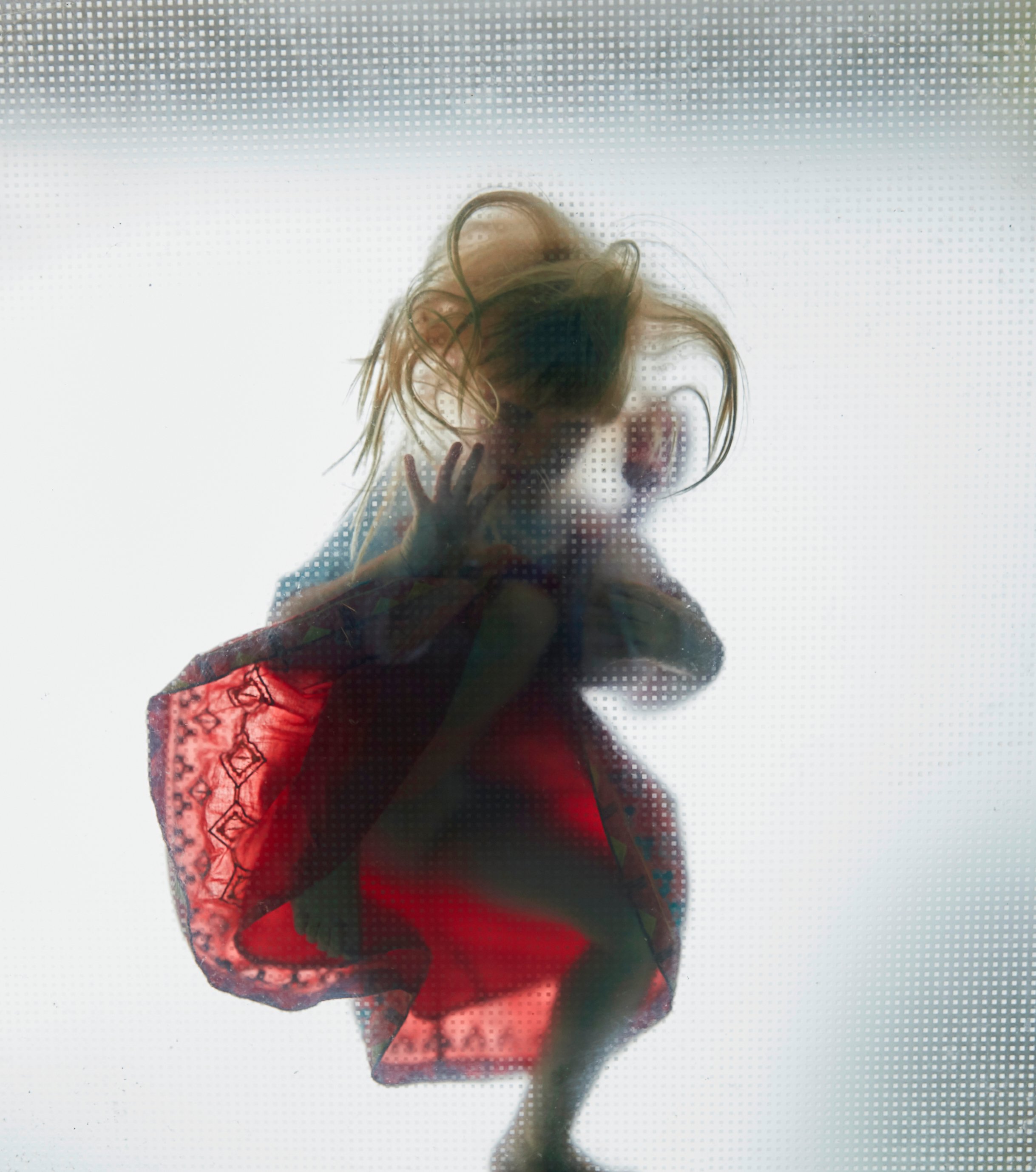
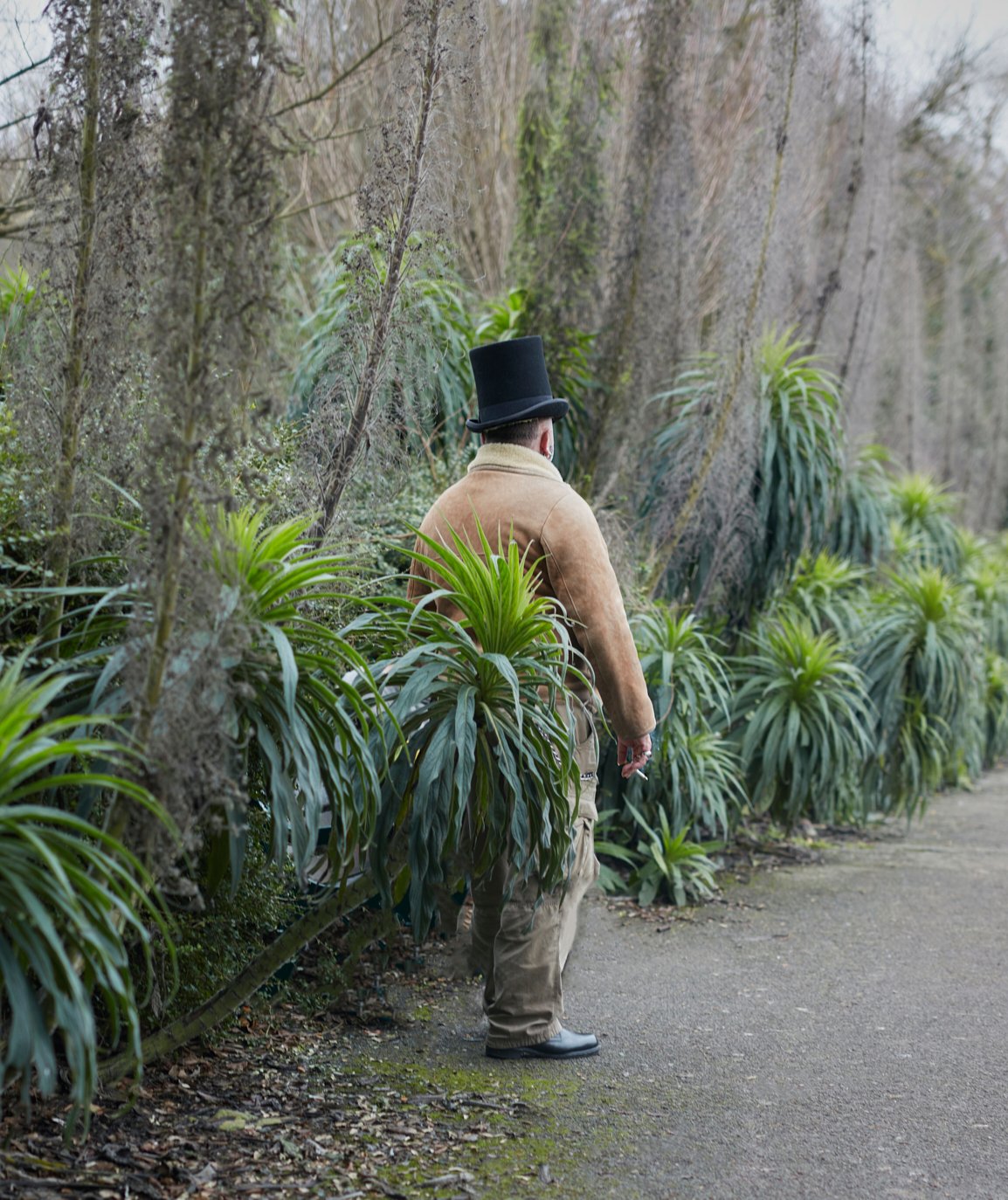
The main focus of his work is spaces: physical, metaphysical, and virtual. How we react and interact within these spaces. What they mean to us. And how the lines between them are becoming more blurred. His photographs live at the intersection of the staged and the observed, and it is often genuinely impossible to tell which is which. That ambiguity is not an accident.

He has just won the professional portfolio category in the Sony World Photography Awards, showing at Somerset House, London.
"To see something ordinary, something you'd see every day, and recognise it as a photographic possibility. That is what I am interested in."
Stephen Shore, cited by Hugh Fox
The conversation  ·  Interview by Leila Antakly
01

Tell us about your greatest inspirations and influences.

I know it sounds cheesy, but my kids genuinely are my biggest inspirations. I have a seven-year-old daughter, Suki, and an eighteen-year-old son, Rumi. Their relentless thirst for play, creativity, and knowledge has inspired me to keep experimenting and creating. I believe we are all creative beings and that playfulness is the absolute essence of creativity, not just within the arts but in all aspects of life. Without it, we would not discover new ways of being or seeing.

When we create with a playful mind, we are not fixed on the end result. We are only engaged in the process. Making mistakes and reworking things is all part of the fun.

02

Tell us a bit about your creative process.

"To see something spectacular and recognise it as a photographic possibility is not making a very big leap. But to see something ordinary, something you'd see every day, and recognise it as a photographic possibility. That is what I am interested in." Stephen Shore says it better than I can.

My work is a mixture of staged conceptual pieces and observational moments, and it's often not clear which is which. They work independently or together, and have a poetic thread that runs from one to the other. A successful picture, for me, is one where the viewer questions whether it's staged or documentary. It could be either.

I really enjoy working in a less constrained and more intuitive way, seeking out the quirks and finding beauty in ordinary moments. As a neurodivergent person (I have ADD), I think I use photography as a tool to help make sense of our nonsensical world.

03

How did the pandemic affect your creativity?

For me, like a lot of people, the pandemic was very unsettling. Having time allowed me to make more personal work than ever, and giving it room to breathe and develop without the distractions of commercial work and daily life was profound. I leant on my photography more than ever to stay sane.

The geographical confinement also meant I had a unique focus in a very small radius, and I feel like I got to know it and understand it deeply by photographing it: my home, my family, the empty streets where we live, the minutiae of those long uneventful days. It definitely felt like photography had a role in capturing people's emotions and feelings of collectiveness during this time.

04

Who do you consider to be an icon of our time?

I am not sure icons exist in the same way they used to, as there are now so many more platforms, tribes, and realities for icons to exist in. If I had to pick someone, Grayson Perry would be my cultural icon. He has an acute understanding of how politics is meaningful for different people, our class systems and power dynamics. He is not afraid to ask uncomfortable questions and champion outsider arts. And he makes really great pots. I would love to own a piece of his work.

05

What does wellbeing mean to you?

Wellbeing is important to me and my practice. That is not to say some of my more interesting work has not been made during darker times. But generally I try to retain a child's eye view of the world, seeing things with a sense of wonderment, excitement, and connectiveness, being mindful and fluid to change.

My social feeds tell me I need good sleep, exercise, and to eat well, but the reality is, like everyone, I am totally enslaved to screens, feel overwhelmed with tasks and responsibilities, and struggle to make meaningful time for myself and loved ones. That is one of the things I am trying to grapple with in my pictures: the pace of life and the importance of just being, accepting, and finding joy. So at least I am trying to work it through. That is probably my actual wellbeing practice.

06

Anything else you would like to share?

It is both an exciting time and a challenging time for artists. I would really like to encourage all artists at the beginning of their journeys to stick with what comes naturally, not to be influenced by trends or what you think you should be doing or what others are doing. It takes time and patience, but when you find your voice it will come through loud and clear and people will take notice. I really appreciate all the creators who keep making interesting work during hard times.

Edward Hopper
New York Movie
1939
Oil on canvas
MoMA, New York

When Fox first saw Hopper's New York Movie (1939) he fell instantly in love. The painting embodies everything that intrigues him about our multilayered relationships with spaces. The usherette is not only physically in the space of the cinema, but has clearly left the building and found an internal space to reside. The movie-goers are physically in the space too, but also not really there: they have been transported to the virtual world created for them on screen.

For a long time, he was subconsciously drawn to photographing these themes: alienation and loneliness in modern life, the complexity of our relationships with transient spaces. His MA crystallised this interest. He is now free to play with the ideas in works that are both sombre and playful, exploring how people use in-between spaces to create new worlds of creativity and interiority.

"When you find your voice it will come through loud and clear and people will take notice. Stick with what comes naturally."
Hugh Fox

Stay curious,

Leila Antakly


Leila Antakly

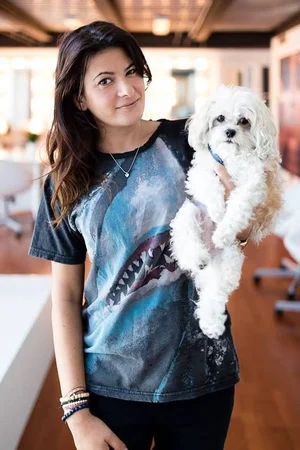
Leila Antakly is the founder and editor of Antakly Projects, the independent cultural platform she launched in New York in 2003 as Ninu Nina. Syrian and Colombian, she began her career at Vogue Italia and has spent more than twenty years in conversation with artists, musicians, designers, photographers, and inspiring thinkers around the world.

https://www.ninunina.com/
Previous
Previous

MEET THE DUO BEHIND THE CREATIVE DESIGN STUDIO ACIL & PIERRE

Next
Next

EACH WORK OF ART SERVES AS A PRAYER