
Phnom Penh - Cambodia - A Photo Diary
Phnom
Penh
Noisy, dirty, chaotic, crazy, and yet: something about the soul of this city will make you fall in love. I lived here for six months in 2007 and have been returning at least once a year ever since.

Phnom Penh · Street style · Leila Antakly
"It's true that Phnom Penh is noisy and dirty and chaotic and crazy and yet, in spite of this, there is something about the soul of Phnom Penh that will make you fall in love."
I lived in Phnom Penh for six months in 2007 and have been travelling back at least once a year ever since. The city does not make it easy to love it, which is part of why the love, when it arrives, is so complete. Manuel J. Garcia, who has owned the Boddhi Tree Guest Houses since 1995, watched Phnom Penh transform from a place with no running water and no electricity into a booming megacity of high-rises, fast cars, and what he calls "feverish entrepreneurship." That trajectory is visible on every street. The chaos has not gone anywhere. But something else has also arrived: a younger generation of Cambodian entrepreneurs building creative businesses that are designing for a local audience, rooting their work in Khmer identity, and doing it at a pace that more rigid economies cannot match.
How do I get around? One-dollar motorbike taxis. You just hop in, hop off. Really. There is no more efficient or more honest way to experience a city than from the back of a motorbike at low speed, weaving through the traffic, watching everything happen simultaneously at street level. Phnom Penh from a motorbike is an entirely different city from Phnom Penh from a tuk-tuk, and both are entirely different from Phnom Penh on foot.
The benchmark of any serious visit to Phnom Penh remains the Elephant Bar at the Raffles Hotel, where a gin and tonic in the late afternoon provides the temporal hinge between the heat of the day and the energy of the evening. It is the kind of colonial-era room that sits so completely at odds with the city outside that the contrast itself becomes the experience.
Most tours will include both a visit to the Killing Fields and Tuol Sleng, also known as S-21. This is a difficult place to visit. I do not regret going. S-21 was once a high school, turned into a prison used for interrogation. Today it is a museum and remains largely untouched.
"Thirty years on, a creative community is thriving again. Neighbourhood streets on any given day are the scene of film crews setting up, traditional dance rehearsals and photo shoots."
On the National Museum neighbourhood · Streets 172 to 178$1 motorbike taxis. You just hop in, hop off. Really. There is no more efficient or more honest way to experience a city.
Darkness
Cambodia, of all the places I have visited across Asia, touches my emotions and heart the most. In all its beauty it is still a very tough city: the impact of the genocide on its society, the remnants visible everywhere, the exploitation of women and young girls, the poverty. The Heart of Darkness,(IYKYK). Food stalls, barefoot kids running around at all times, 24-hour brothels and secret alleyways. Tuk-tuk drivers interspersed with Hummers and expensive cars weaving past three-metre-high mounds of rubbish. Stories of violence, lust and debauchery are commonplace. The surreal atmosphere is accepted almost with a swept-under-the-carpet attitude.
It is impossible to avoid the reality that of child exploitation, in every form. It cannot be ignored. And it is shameful when expats, myself included, become somewhat desensitised after a while: you get accustomed, and the getting-accustomed itself is a horrible reality. I am writing this because not writing it would be dishonest. Phnom Penh is extraordinary. It is also unfortunately this.
The FCC is a legendary colonial-era boutique hotel, restaurant and rooftop bar on Sisowath Quay, with sweeping views of the Tonle Sap and Mekong rivers and a walk away from the Royal Palace and National Museum. Founded in June 1993 by a small group of journalists tired of drinking in rundown bars, it became the main meeting place for foreign correspondents as Cambodia emerged from decades of war. At the launch party, co-founder Leo Dobbs stood on a wooden chair and declared it "a place where we can offer friendship between Cambodians and the rest of the world."
Over the following years the FCC held panel discussions on human rights, press conferences, photo exhibitions, and featured politicians, authors, dancers and Buddhist monks. Today the link between the club and the foreign correspondents it was created for has diminished: you are more likely to find locals, expats and tourists sipping gin and tonic than war photographers from Reuters. But the sense of history is palpable as you sit beneath the ceiling fans looking out across the river. In 2016, US Secretary of State John Kerry visited before a series of meetings with Cambodian leaders. You never quite know who will walk in.
The National Museum neighbourhood has seen a bohemian renaissance take hold in recent years. Packed with shops, galleries and dining spots, the area has as its focal point the majestic brick-red pagoda-style National Museum of Cambodia, which adjoins the Royal University of Fine Arts. Both were closed in the 1970s under the Khmer Rouge. Thirty years on, the creative community is thriving again. Known as the hub for Cambodian fine arts, Street 178 is lined with local sculptors, silk boutiques, and galleries.
A gin and tonic in the late afternoon. The benchmark of any serious visit. The gap between the beautiful interior and the street outside is where Phnom Penh actually lives.
Difficult. Important. Do not skip it.
Stroll the Tonle Sap waterfront promenade. Balloon sellers, street food, mass exercise classes, children, locals. Chaotic at best. Perfect.
Best for souvenir bargains, silk clothing, silver jewellery, genuine and imitation antiquities, gems, and old banknotes from previous regimes including the Khmer Rouge. Go early.
Three essential stops in the city centre. The Royal Palace gardens alone are worth an hour. The National Museum's brick-red pagoda exterior is one of the great architectural images of the city.
A performing arts centre run by The Acting Art Academy on the river's edge. A non-profit reviving a local cinema scene extinguished by the Khmer Rouge. Contemporary work that goes to the difficult places.
The city Vanna Sann, founder of the ethical clothing brand Dorsu, describes is different from the one I first arrived in. "Phnom Penh has become far more confident in its own voice," she says. "A few years ago, much of the retail and lifestyle scene felt either NGO-adjacent or heavily expat-driven. Now there's a noticeable shift toward Cambodian-led creative businesses that are designing for a more discerning local audience." I recognise this. I have been watching it happen, one visit at a time, for nearly twenty years. The soul of the place has not changed. Everything around it has.
A living and learning center for children from Steung Menchey. Leila's personal essay on the community outreach initiative that keeps bringing her back.
Cambodian design at the intersection of tradition and contemporary craft. From the Antakly Projects archive.
A conversation with Cambodian artist Nov Cheanick on practice, identity and memory.
The extraordinary pre-Khmer Rouge music scene that was nearly erased from history, and the artists keeping it alive.
Photojournalist Omar Havana in conversation with Antakly Projects on bearing witness and the ethics of the lens.
An independent platform dedicated to artists, musicians, photographers, designers, and thinkers at every stage. Every interview is selected for depth, not reach.
✦ Explore all our travel essays →"The chaos has not gone anywhere. But something else has also arrived."
More travel writing and personal essays from Leila Antakly on Substack.
Read on Substack ↗


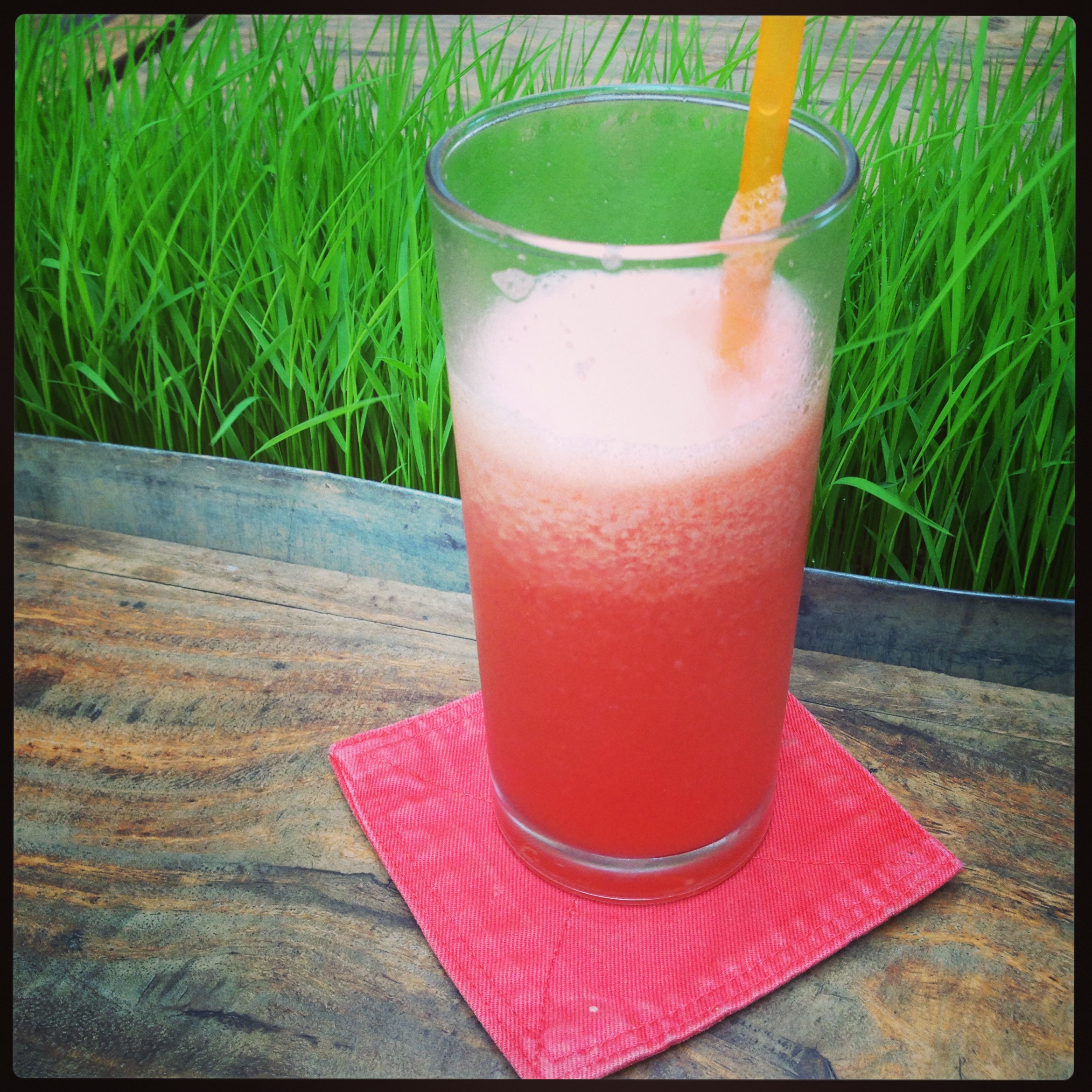


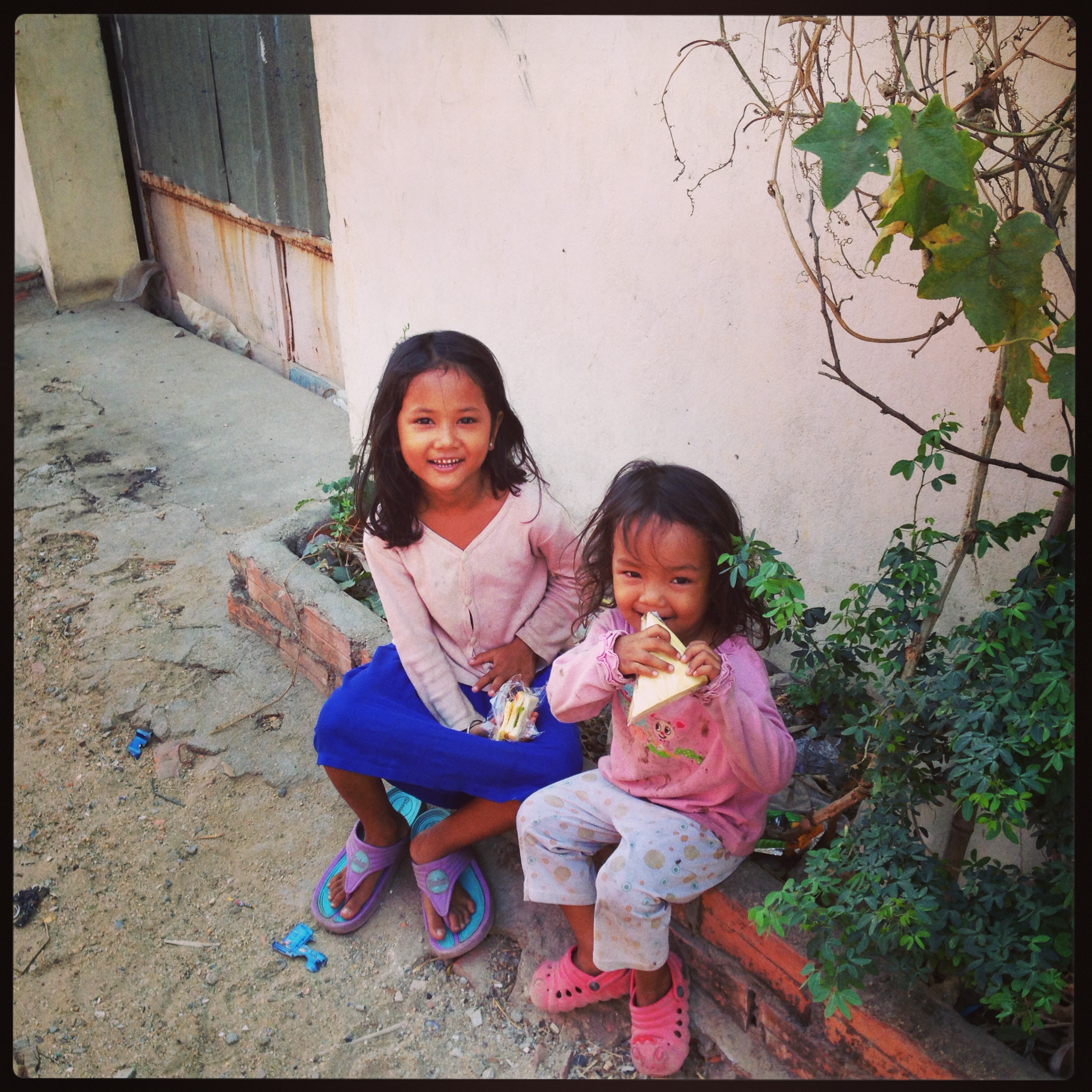
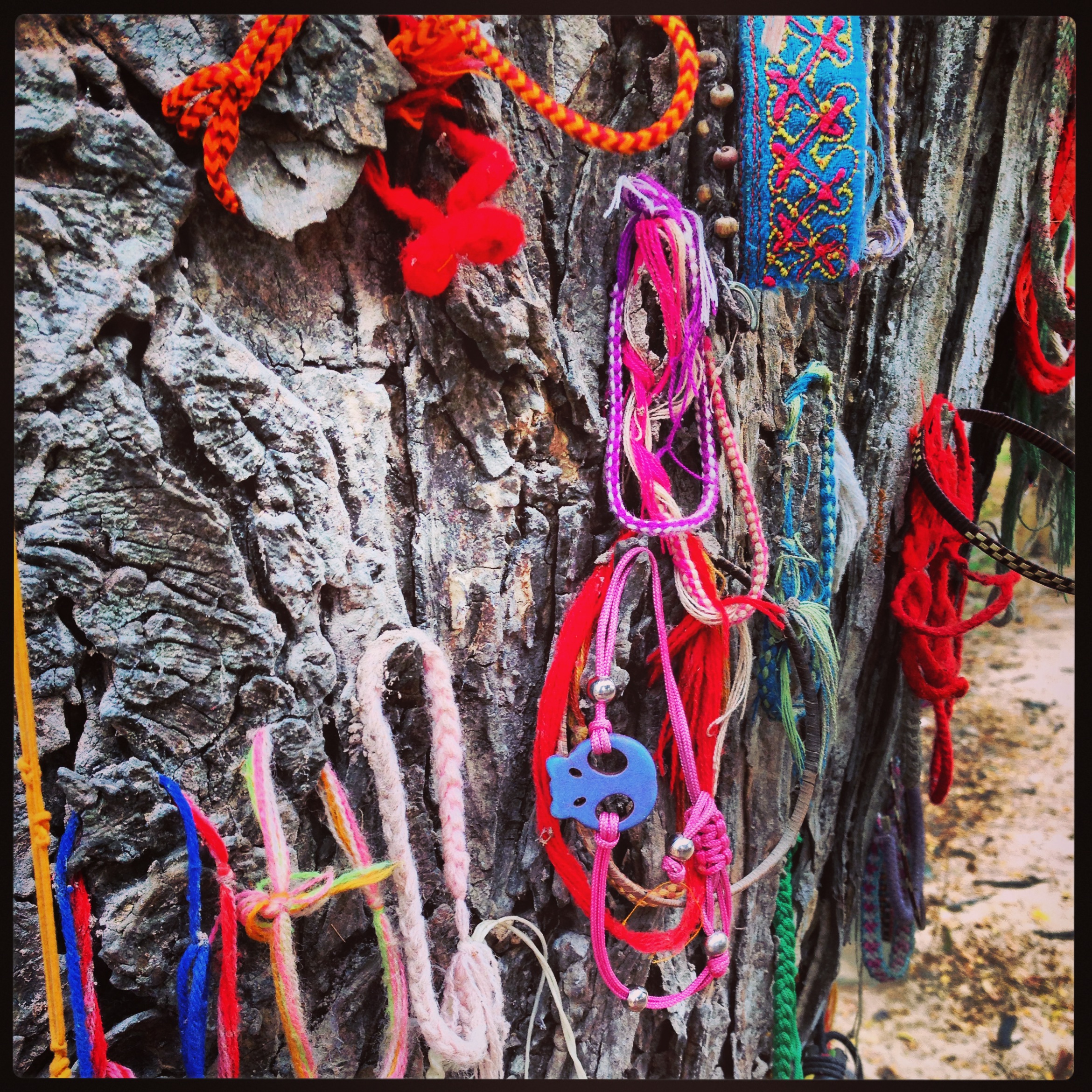


This month I returned to my favorite place, Cambodia and stopped in Bangkok on the way. Photos Leila Antakly