Brie Ruais: On Clay, the Body and Working at Human Scale
Brie
Ruais
Pressure, endurance, repetition, memory. Her monumental ceramic works carry the evidence of physical exertion while remaining deeply meditative and geological in their stillness. Every fracture, scrape, and reassembled surface holds weight, both literal and emotional.
"Working with a fixed weight of clay creates the conditions for my thinking mind to quiet. There is an exchange happening. Giving invites return, and taking calls for replenishment."
There are artists who work with materials, and then there are artists who enter into a physical negotiation with them. We discovered Brie Ruais' work inside Bodies of Becoming at Main Projects in Richmond. In Petaling Within, 130lbs (2025), Ruais transforms clay equal to her own body weight into a fragmented botanical form that appears simultaneously vulnerable and resilient. Installed alongside the video work Daughter, You Seem Foreign to Me, the exhibition expands into questions of memory, care, ecological consciousness, and the body's relationship to land. Ruais' practice sits powerfully within that conversation, reminding us that material itself can become a site of emotion, resistance, and repair.
One of my first body-weight works was The Big Push, which I made in graduate school in 2010. It was an endurance-based piece created in a single burst of effort as I pushed 130 pounds of clay from the ground up a wall, reaching as high as I could. The work mirrored the challenges of graduate school itself: the demand to push oneself creatively, emotionally, and physically, alongside the labour women endure under patriarchy and the exertion inherent in creation itself.
Since then, using my body as a unit of measure has become a way to explore relationality more broadly. Engaging with an equivalent mass of clay creates a threshold where I can encounter something beyond my own corporeality. Through somatic imagining, I begin to embody other forms and forces: water in motion, plants growing, the moon in rotation. The work extends into a much larger field of experience.
"I know a piece is resolved when that balance becomes palpable, when the reciprocity feels sustained within the work itself."
Brie RuaisThere is absolutely a state of surrender. Paradoxically, I arrive at it through structure. Working with a fixed weight of clay or committing to a prescribed sequence of movements creates the conditions for my thinking mind to quiet.
I appreciate the idea that the body gives something to the process. There is an exchange happening. Giving invites return, and taking calls for replenishment. That reciprocity exists at the centre of the work, though it can become imbalanced, which is part of how we have arrived at the ecological crisis we are living through. I know a piece is resolved when that balance becomes palpable, when the reciprocity feels sustained within the work itself.
Approaching art-making primarily through a political framework can sometimes short-circuit a deeper engagement with the material itself. Of course the earth is entangled in political crisis, and as an artist working within society, that cannot be ignored.
But my approach begins first with lived experience: relationships with rocks, water, plants, animals, and planetary bodies. From there, I trust that grief, resilience, adaptability, growth, and decomposition naturally emerge through the work. The political urgency comes through reconnection, through remembering what industrial and capitalist systems have separated us from.
The sky at sunset, zones of extraction, especially the open pit gold mine near where I live, the work and lives of Agnes Martin and Georgia O'Keeffe, poetry, and gardening.
Founded by Laura Martin Mills and Eric Thomas-Suwall, Main Projects positions itself as one of the more compelling new spaces emerging within Richmond's growing cultural landscape. The space approaches contemporary art with both curatorial sensitivity and a willingness to foster dialogue between established and emerging voices. Rather than treating exhibitions as static presentations, Main Projects creates environments where material, process, and atmosphere remain central to the experience of viewing itself. Bodies of Becoming, in which Ruais' work appears alongside video and sculpture by other artists, is a strong example of that approach: transformation not as spectacle, but as accumulation.
Courtesy Main Projects, Richmond · Night Gallery, Los Angeles
mainprojects.co ↗The full Antakly Projects ceramics archive: artists, interviews, and conversations on craft, material, and what clay carries.
An independent platform dedicated to artists, musicians, photographers, designers, and thinkers at every stage. Every interview is selected for depth, not reach.
✦ Explore all our interviews →"Material itself can become a site of emotion, resistance, and repair."
More art and ceramics from the Antakly Projects archive.
Read on Substack ↗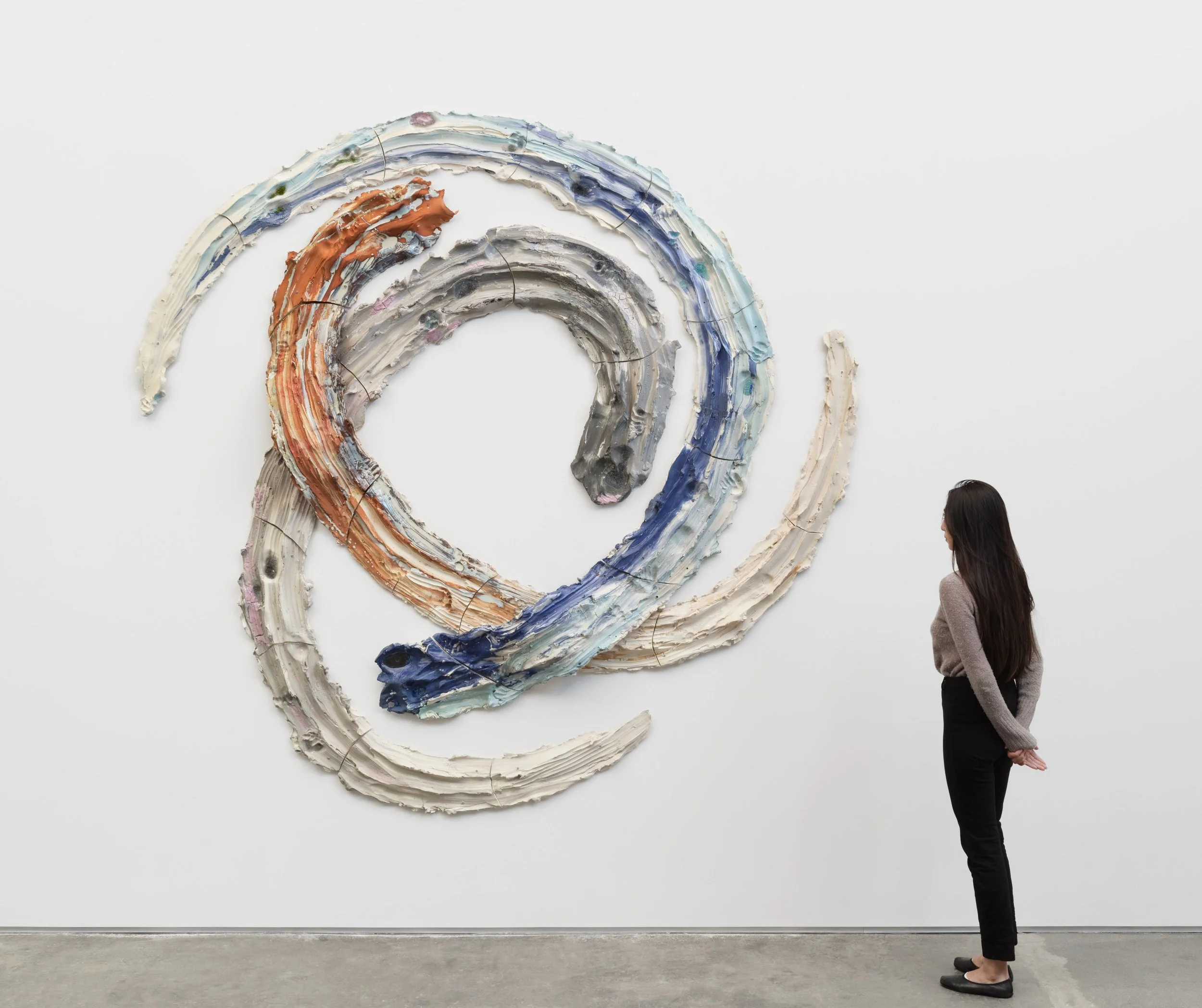
Courtesy Night Gallery, Los Angeles
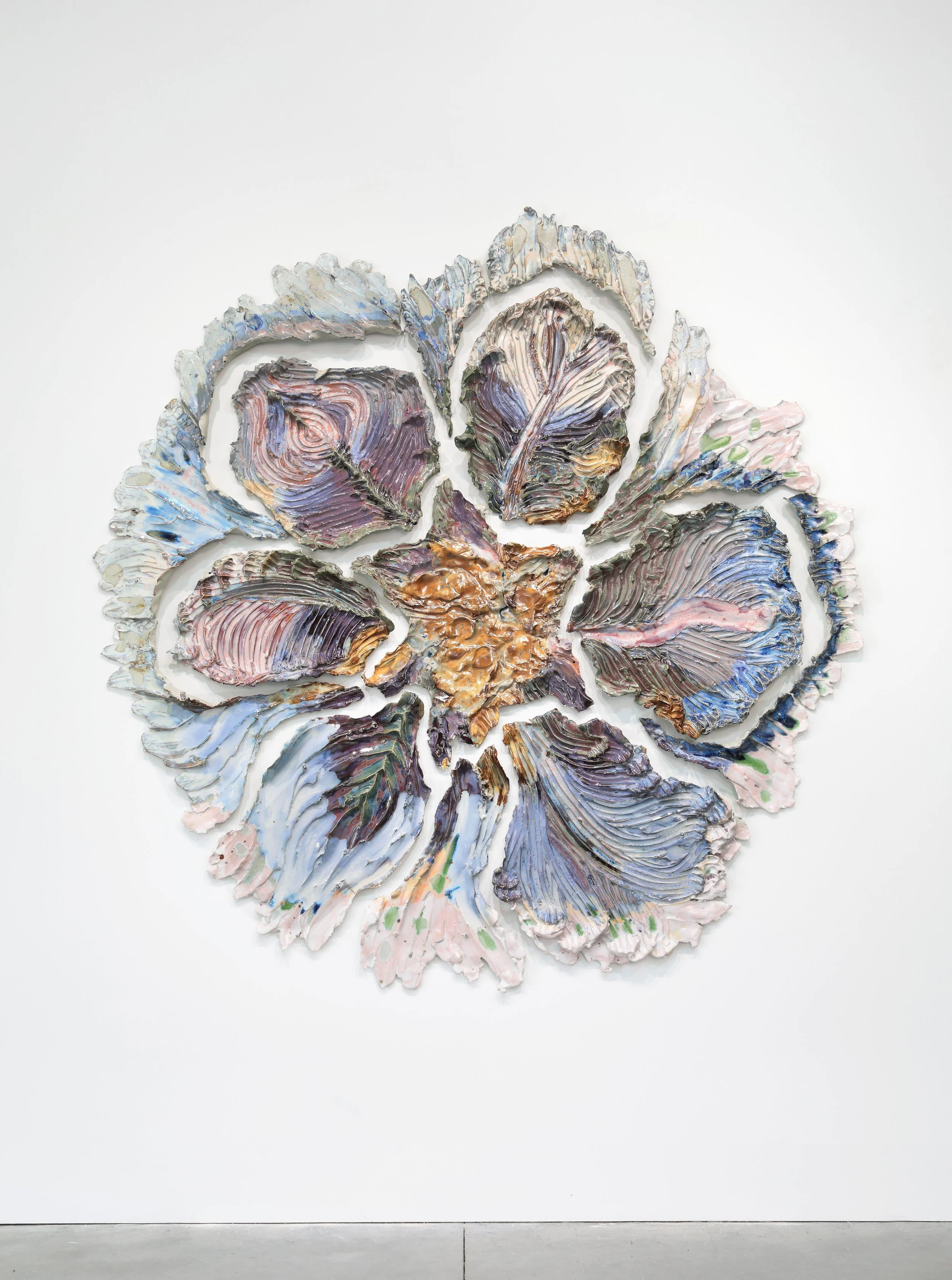
Courtesy Main Projects, Richmond