There Is No Planet B Interview with Delmi Alvarez

Delmi Alvarez: There Is No Planet B | Antakly Projects
@delmialvarez
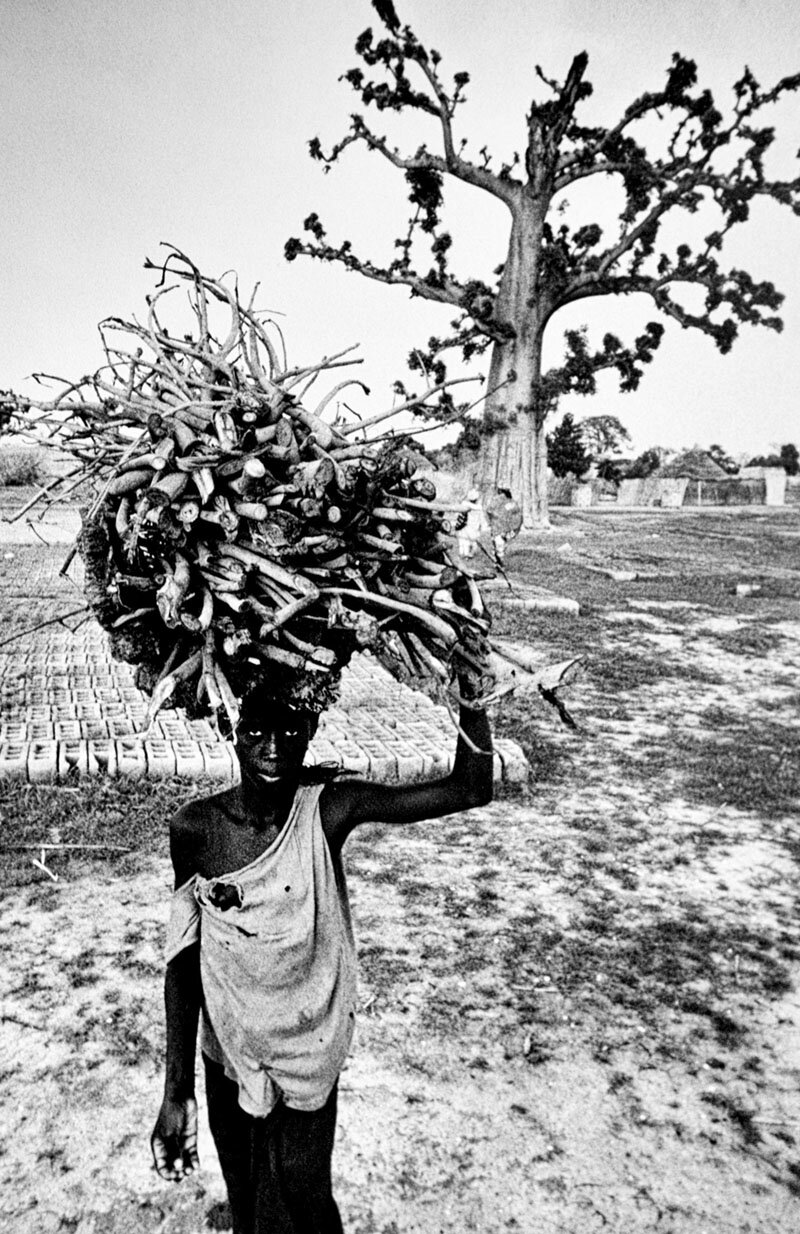
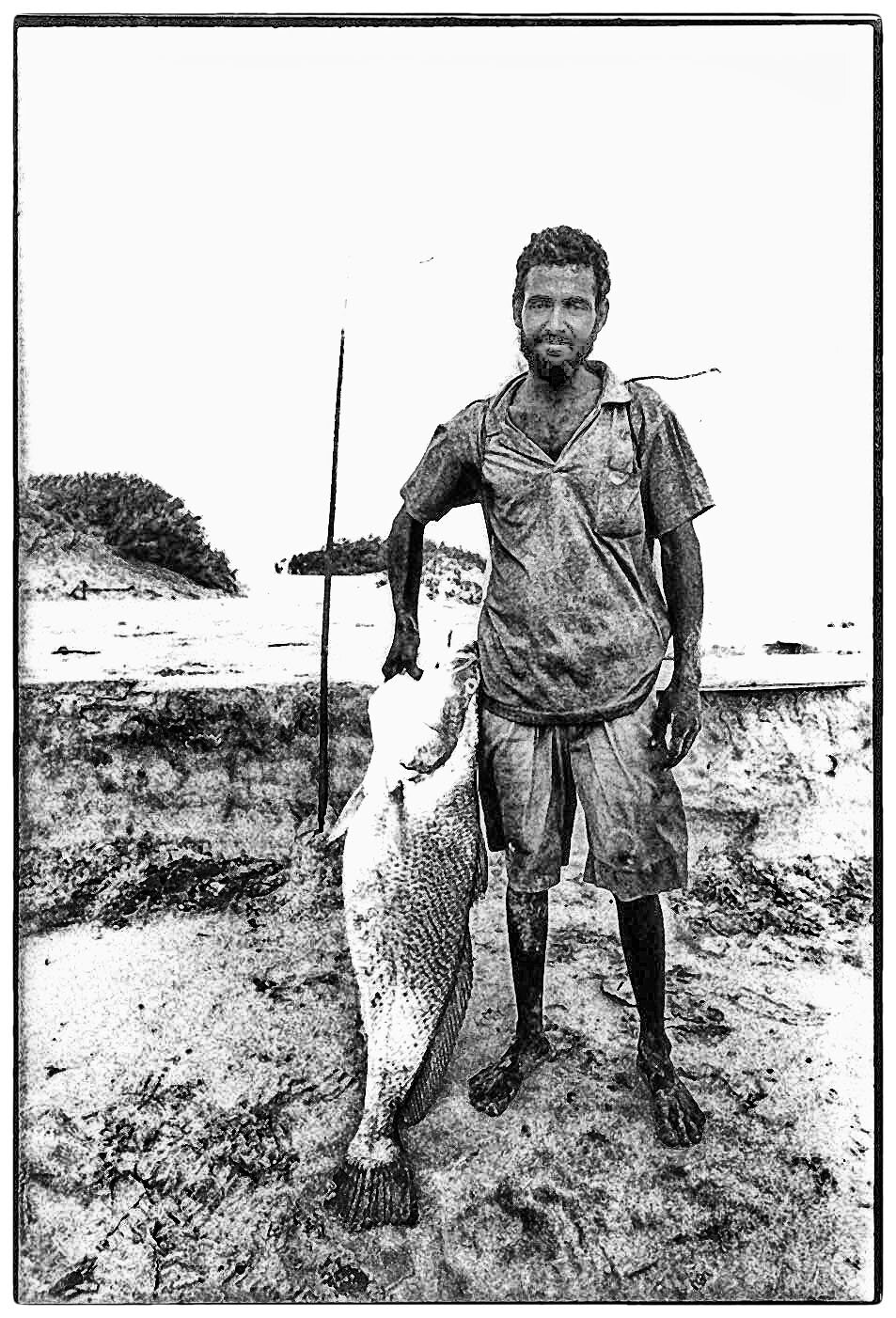
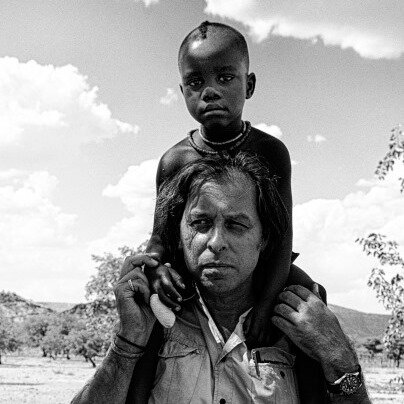
Delmi Alvarez, Anthropogenic series: fisherman Senegal, Delmi with child Namibia
Antakly Projects  ·  Photography  ·  Galicia

Delmi Alvarez

There Is No Planet B  ·  Anthropogenic

Galician photojournalist and documentary photographer. I was born, grew up, and will die a rebel. His biggest concern is the legacy we leave to the children of the future. He met Sebastiao Salgado personally in the 1980s. He was in Yugoslavia. He was in Havana. He is still working.

Vigo, Galicia Documentary  ·  Photojournalism Senegal  ·  Namibia  ·  Havana  ·  Yugoslavia
We fortunately met over a discussion on vintage photo booths. Leila is really proud of this interview because Delmi really dives into the subjects we need to be talking about now. His eyes are helping us raise awareness to the stories that need to be shared and told.

Delmi Alvarez is an outstanding Galician photojournalist and documentary photographer who shoots contemporary issues: from the vulnerable state of the environment to human rights. His work has been published internationally, in newspapers including El Pais, and exhibited worldwide.

He began photographing professionally in black and white in Vigo in the mid-1980s. Between 1989 and 1990 he lived in Havana documenting life during the Special Period in peacetime. He spent years in the Yugoslavian war. At the end of the 1990s he lived in London and presented work in black and white at Magnum Photos, invited by several of its members. He maintains friendly relationships with Ian Berry and Richard Kalvar, among others.

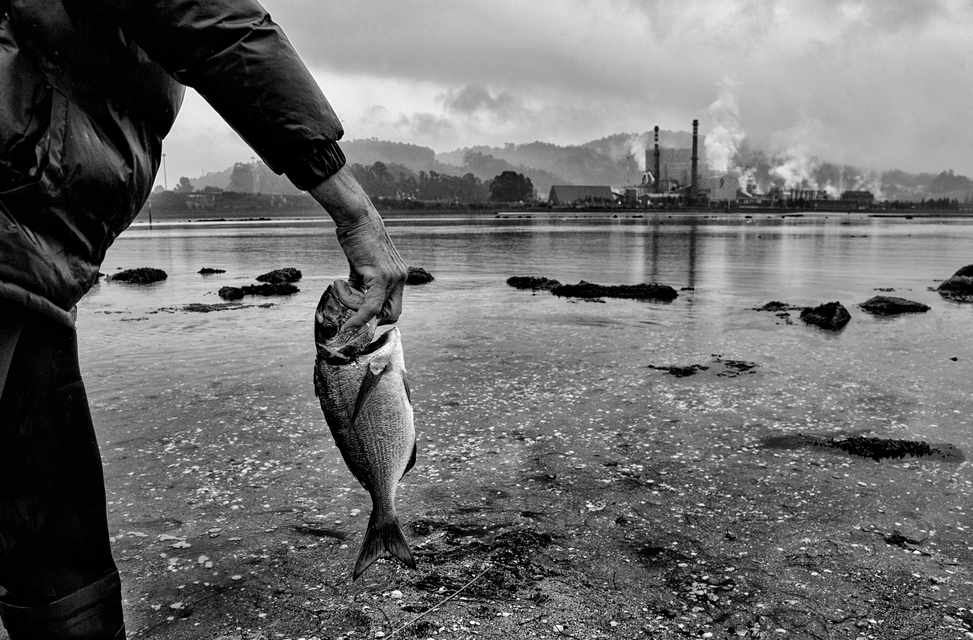
His current project is Anthropogenic: a body of work documenting environmental and humanistic issues across continents. The images from Senegal and Namibia shown here are among his favourites from the series.

Delmi Alvarez, Anthropogenic series: Senegal woodcarrier, fish against industrial skyline Galicia
"The years I spent in the Yugoslavian war marked a before and after in the way of photographing. When you are young you have no awareness of the risks and the danger of getting into certain places."
Delmi Alvarez
The conversation
01

Tell us about yourself.

My visual education began first with comics and then black and white television. At seven, our parents gave us a plastic Nerasport camera. In the 70s I bought a Zenith in Tenerife from a Russian sailor, and there began my passion for photography, although what I really liked was writing. In the mid-1980s I began to photograph professionally in black and white and write for a Galician newspaper. Photographing, writing, and travelling has always given me a lot of peace and opportunities for adventures.

In 1983, in Vigo, my hometown, there was no photography school or references to photographers. I just began shooting on the street and years later I discovered that my own style fit documentary photography rather than photojournalism. Between 1989 and 1990 I lived in Havana, documenting the life of the Cubans during the Special Plan in peacetime. At the end of the 1990s I lived in London and presented several works in black and white at the Magnum Photos agency, invited by several of its members.

02

Your greatest inspirations and influences?

In the 1980s I personally met Sebastiao Salgado and I was very surprised by his work in black and white. Perhaps he is the greatest influence I have had in photography. I discovered Ansel Adams' work late, and that helped me to love nature and the mountains above all. I liked climbing, walking, reaching the tops to see the world from above. The mountain made me understand that knowing when to go back down in time is a victory.

I never photographed thinking about others, or what they would think of my work.

03

Most memorable shoots so far?

I think my best work so far are the photos from the birth of my twin daughters. The others are anecdotal, ephemeral: pain, situations with very deep stories that I need to tell by talking.

"The years I spent in the Yugoslavian war marked a before and after in the way of photographing, and now maybe I am paying for it. When you are young you have no awareness of the risks and the danger. Seeing raped women and girls, shredded bodies. I have images recorded in the subconscious that forced me to receive therapeutic help, like many other people who live through violent moments."

04

Goals and what matters most to you now?

For me, education is the most important foundation for a society to create a culture based on integrity and respect. Children have to be educated in freedom of values, taught the wealth of our planet, and based on that premise they will grow in harmony with nature. They will know how to respect and protect it.

Today, the most important thing for me personally is to watch my twin daughters Isabella and Elsa grow every day. Professionally I want to continue my research on humanistic and environmental issues, share what I see, and travel to be exposed to other cultures.

There is no Planet B.

05

Anything else you would like to share?

We face an important challenge in the next fifteen years: curbing the increase in global temperature by 1.5 degrees C. We have to be the change. We are not in a position to wait for politicians to meet again to try to agree about the weather. There are already 25 COPs and they will never agree.

We must take matters into our own hands. We cannot wait. We must act now.

On Greta Thunberg

Delmi Alvarez  ·  Statement asked to be removed from social media after receiving abuse

Greta represents a generation of hope for many parents. She is underage, she is a woman, and she suffers from Asperger's syndrome. Millions on the planet adore her for being as she is and for her commitment to wanting to change something. Millions hate her, insult her, make fun of her, for being underage with Asperger's.

For many parents, Greta represents values to follow: not only for being an activist at such a young age, but because for being a woman she also breaks with male stereotypes. We see this girl as the daughter who speaks for herself and has her own initiatives, in a terribly macho, misogynistic world.

As a father of three girls, Greta inspires me to understand that not everything is lost in such an unequal world. We don't want to leave the children of the future a messy planet. The planet needs our help, and we shall change our ecosystem right now. Because there is no other Planet B.

Delmi was asked to remove this text from his social media after receiving hatred in response. We felt it was important to share it, because it is unfair that a teenager receives so much negativity and abuse. The more she moves forward, the more admired she will be. We stand by her completely.

"I was born, grew up, and will die a rebel."
Delmi Alvarez

Stay curious,

Leila Antakly
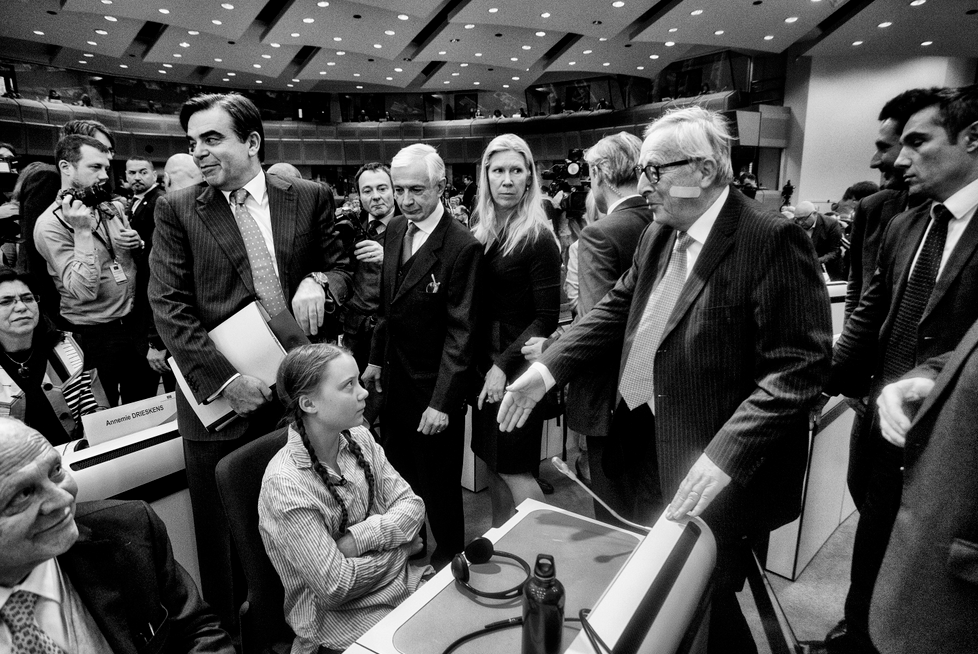
Incredible photo of Greta Thurnberg by Delmi Alvarez

Incredible photo of Greta Thurnberg by Delmi Alvarez

We asked Delmi to send one of his favourite photos!

We asked Delmi to send one of his favourite photos.


Leila Antakly

Leila Antakly is the founder and editor of Antakly Projects, the independent cultural platform she launched in New York in 2003 as Ninu Nina. Syrian and Colombian, she began her career at Vogue Italia and has spent more than twenty years in conversation with artists, musicians, designers, photographers, and inspiring thinkers around the world.

https://www.ninunina.com/
Previous
Previous

Fashion Model and Creative Producer Anna Sophie Mungenast

Next
Next

Letters, Scissors and Movement Meet Erre Gálvez