// Jewellery · Arezzo & Milan · From the Ninu Nina archive
LedaOtto Jewellery drawn from the floor plans of the world's most beautiful buildings.
- Founded
- January 2010
- Founders
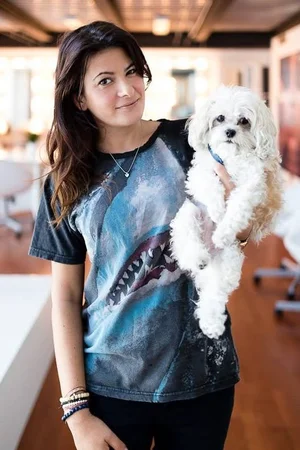
- Marta & Simona
- Material
- Plated brass

Look down from a plane at a great building and you see a pattern: arches, rings, corridors, a perfect geometry nobody on the ground ever notices. LedaOtto turns that pattern into jewellery.
The brand was founded in January 2010 by Marta Saletti and Simona Cassai in Arezzo, the Tuscan town known as the city of gold. Their "architectural jewels" redraw the floor plans of iconic buildings in brass plated with 24-karat gold, rhodium or ruthenium, set with semiprecious stones and made in Italy.
The result is jewellery you can read like a map. Hold up a pendant and you are holding the curve of an ancient theatre, or the rings of the Arena of Verona, at the size of your palm.
01
How did LedaOtto come about?
Marta
We met through my partner and Simona's husband, and connected immediately. We realised we both had a strong passion for everything fashion, so we started going to the Milan shows together, talking on the train rides and getting to know each other. Just for fun, we decided to try designing something for ourselves. When we realised we didn't want to do it just for fun anymore, we left our old jobs and jumped into this adventure.
Leggi in italiano
Ci siamo conosciute tramite i nostri mariti/compagni e abbiamo subito legato. Abbiamo realizzato che avevamo entrambe una forte passione per tutto ciò che è moda e così, iniziando ad andare insieme alle sfilate di Milano e a parlare sul treno, quasi per gioco abbiamo deciso di provare a produrre qualcosa per noi. Dopo il nostro primo approccio, abbiamo visto che era impossibile fare questo lavoro in maniera superficiale, per questo abbiamo deciso di lasciare i nostri vecchi lavori e ci siamo buttate!
02
What challenges did you face at the beginning?
Marta
More than anything, production. It took nearly a year to make the first collection. It was hard to find the right people to make our pieces. Brass, our main material, isn't worked as often as gold and silver, and our designs were much bigger than local producers were used to. It was all very new to them.
The other big challenge was finding people who believed in us and our idea, without holding it against us that we were two young women. In the end, after many obstacles, and after paying three times what we pay now to make our pieces, we found a great team of young, creative people who wanted to grow with us and take on something new.
Leggi in italiano
Più che altro la sfida più grande è stata nella produzione. C'è voluto quasi un anno per produrre la prima collezione. Era difficile trovare le persone giuste che potessero lavorare ad un prodotto del genere. L'ottone, materiale che prediligiamo, non è un metallo molto trattato come l'oro e l'argento. Inoltre le dimensioni dei nostri disegni sono molto grandi e questa per i produttori locali era davvero una novità. La sfida più grande comunque è stata trovare persone che ci dessero credibilità, senza avere pregiudizi nei confronti della nostra giovane età. Comunque alla fine, dopo tanti ostacoli e l'aver pagato il triplo di quello che paghiamo oggi per realizzare il prodotto, abbiamo pian piano trovato una bella squadra di ragazzi giovani che voleva crescere come noi e che aveva voglia di lavorare su un prodotto nuovo.
03
What inspired these designs?
Marta and Simona
It all started with our love of travel. It was actually the aerial view of a building, seen from a plane, that gave us the idea. At first we thought of designing pieces based on buildings seen from above. Slowly that evolved into reproducing the architectural plans of the most famous buildings in the world. There are so many beautiful buildings out there that we have endless options, and we get to design our favourites.
Leggi in italiano
Tutto è iniziato dalla nostra passione per i viaggi. In realtà, da una veduta aerea durante uno dei nostri viaggi. Abbiamo inizialmente pensato di fare degli edifici visti dall'alto, poi l'idea si è pian piano evoluta fino ad arrivare alla concezione attuale di riprodurre le piante architettoniche degli edifici più famosi del mondo. Questo, visto l'altissimo numero dei soggetti disponibili, ci permette di poter spaziare tra varie possibilità e combinazioni.
04
Have you visited the buildings you've turned into jewellery?
Simona
Yes, many of them. Beyond what we've seen in person, we find a lot of inspiration online and in architecture books. Some buildings are beautiful, but when you render them in metal they lose their beauty. So we choose carefully, and only make pieces from plans that look just as gorgeous in metal as they do on paper.
Leggi in italiano
Sì, ne abbiamo visti moltissimi dal vivo. Poi, oltre ad internet, facciamo anche molta ricerca attraverso i libri di architettura, dove chiaramente troviamo tantissimo materiale che ci piace. Ci sono infatti degli edifici bellissimi ma quando poi devi riprodurli in metallo, questi non rendono poi un granché. Questo ci porta a fare delle scelte e preferire delle piante che rendono perfettamente sia in metallo sia sulla carta.
The buildings
From Roman amphitheatres to Dubai's skyline: a few of the plans LedaOtto has turned into jewellery.

- Arena of VeronaRoman, 1st centuryRose-gold plated brass with red crystals, Spring/Summer 2013
- Ancient Theatre of TaorminaSicilyOne of their favourite places in Italy
- Palazzo FarneseVignola, 16th centuryThe famous pentagonal plan
- Lotus TempleNew Delhi, 1986
- Burj KhalifaDubai, 2010
- 30 St Mary Axe, "the Gherkin"London, Norman FosterContemporary architecture for Fall/Winter 2013
What inspires them
// Muses
- Tamara de Lempicka
- Daphne Guinness
- Taylor Tomasi Hill
// Staying ahead
Travelling, and bringing back textures, colours and stories. Then digging deep into art, architecture and what's happening underground.
// Reading list
- The Sartorialist
- Jak & Jil
- Patternity
- Buro 24/7
- Numéro
As shared with us at the time of our interview.

Wear the building.
Quick answers
What is LedaOtto?
An Italian jewellery brand founded in January 2010 by Marta Saletti and Simona Cassai in Arezzo, Tuscany. Its "architectural jewels" reproduce the floor plans of famous buildings in plated brass with semiprecious stones.
Which buildings has LedaOtto turned into jewellery?
Among others, the Arena of Verona, the ancient theatre of Taormina, Palazzo Farnese, the Lotus Temple in New Delhi, the Burj Khalifa and London's Gherkin.
Where did the idea come from?
From the aerial view of a building seen from a plane, which evolved into reproducing the architectural plans of the world's most famous buildings.