A HISTORY OF MUSIC VIDEO CONTROVERSY
Antakly Archives · Music Video History
Banned. Censored. Legendary.
From the first video MTV ever banned to the digital-era takedowns that broke the internet — the definitive timeline of music videos too dangerous, too sexual, or too brilliant for television.
For those raised on MTV, the channel wasn't just television — it was a cultural lifeline. A three-minute transmission from another world. But where art pushes limits, censorship follows. And sometimes, the ban was the best thing that could ever happen to a song.
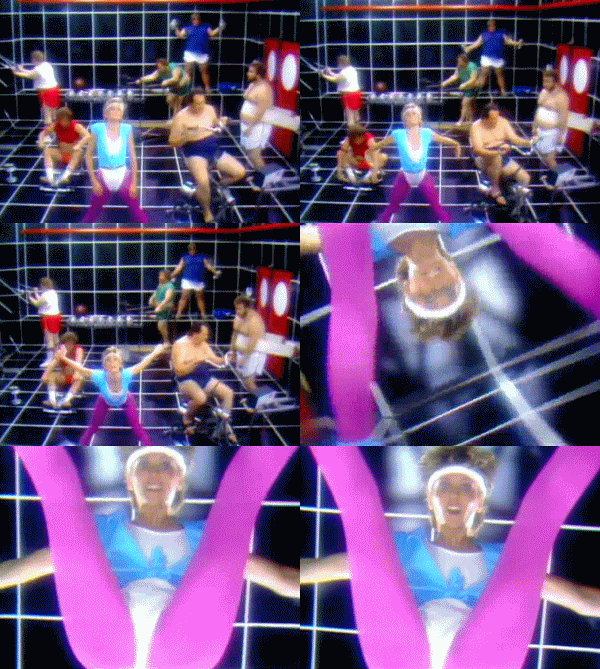
MTV's very first ban belongs to Freddie Mercury. The channel deemed this sweaty, minimalist, skin-on-skin clip entirely unsuitable for broadcast — and in doing so, made it the most talked-about video of the era.
Watch on YouTubeTopless women. Mud wrestling. Sexual fetishism. The BBC banned the uncut version immediately. MTV aired a heavy edit. The uncensored original became, naturally, the version everyone absolutely had to see.
Watch on YouTubeDirected by Oscar-winner William Friedkin of The Exorcist, this hypnotic noir followed Branigan through debauched, mask-filled clubs. MTV refused to air it until cuts were made. Still genuinely unsettling today.
Watch on YouTubeA masterclass in weaponising controversy. The BBC ban helped rocket "Relax" to become one of the best-selling UK singles of the entire decade. Scandal as a launch strategy — perfected.
Watch on YouTubeThe band filmed inside a strip club with fully nude dancers. MTV drew a hard line. Still became one of the defining visual artefacts of late-80s rock excess — banned or not, everyone saw it.
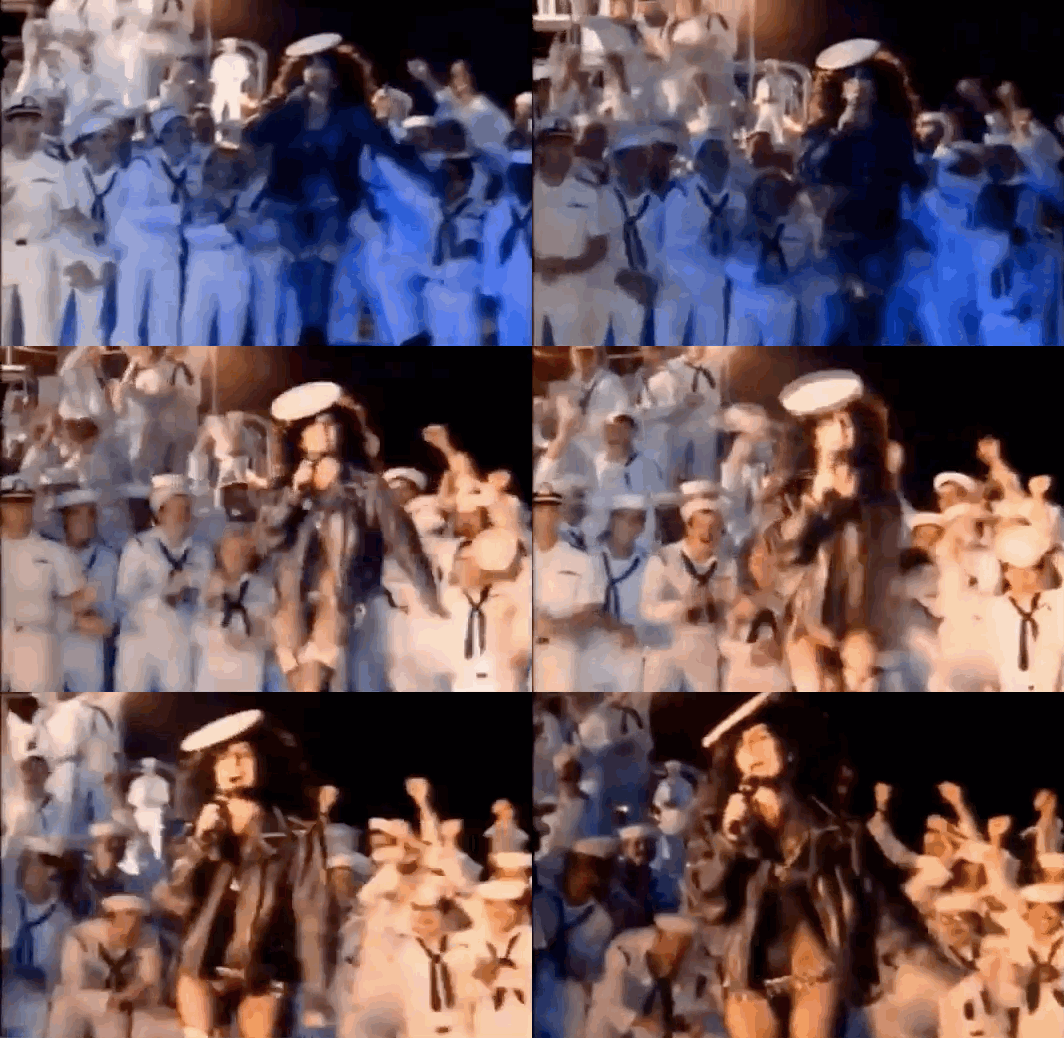
Watch on YouTubeHer fishnet outfit on a Navy battleship deemed too revealing for daytime. Restricted to after midnight. Every strategist knows: restricting something to late night is the fastest path to everyone watching it.
Watch on YouTubeBanning it was the best thing the BBC ever did. It turned a song into a cultural event.
— Frankie Goes to Hollywood · "Relax" · 1983
The most famous MTV ban in history. S&M. Cross-dressing. Group sexuality in a Parisian hotel corridor. Outright banned. Madonna went on Nightline to debate it live — then sold the VHS and laughed all the way to the bank.
Watch on YouTubeThe morphing-face sequence was revolutionary. The extended ending — Jackson smashing car windows in violent rage — triggered immediate outrage. Permanently cut from all future broadcasts within days of its premiere.
Watch on YouTubeA not-so-subliminal ode to MDMA. "Es are good" said fast enough to slip past a daytime scheduler. It didn't fool the BBC for long. Banned. Enormous hit anyway.
Watch on YouTubeFirst-person descent through drugs and violence, ending in a gender-reveal twist that recontextualises everything. Banned by most networks globally. Then won two MTV awards. The contradiction says everything.
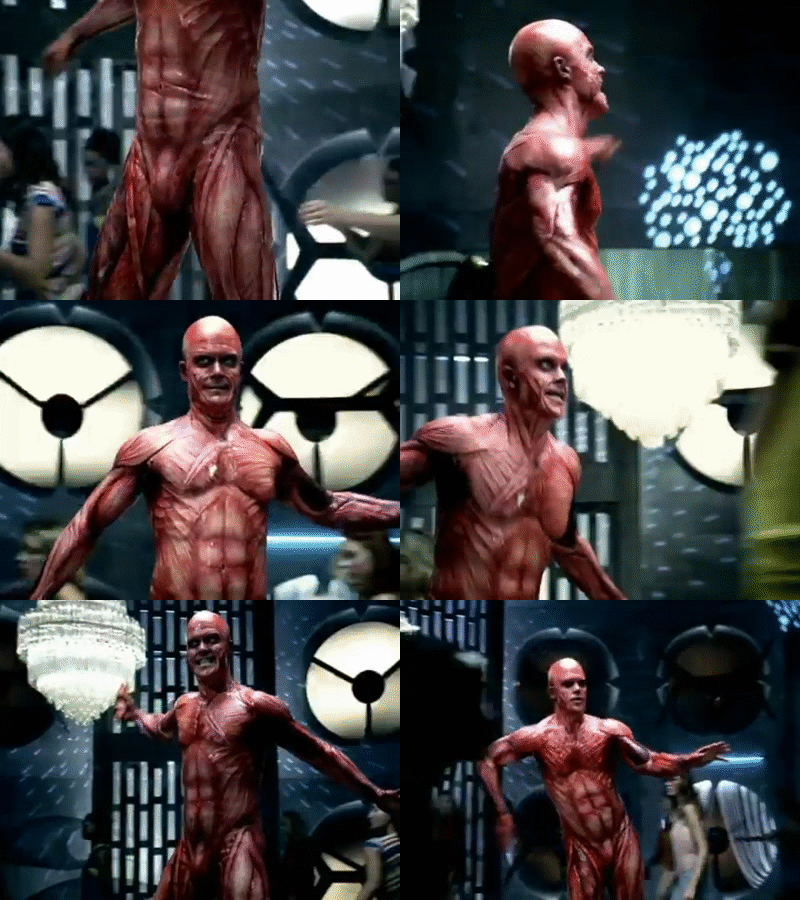
Watch on YouTubeRobbie strips naked to impress a DJ, gets ignored, then literally peels off his own skin and muscles. Gloriously grotesque, directed by Vaughan Arnell. Restricted to post-10pm in the UK. Daytime viewers were not ready.
Watch on YouTubeTwo schoolgirls kissing in the rain. Simple. Explosive. The controversy was entirely engineered — as the label later admitted. Maximum outrage as maximum reach. One of the most cynically brilliant marketing plays in pop history.
Watch on YouTubeBanned from BET after Michael Jackson's public condemnation. Eminem parodied his plastic surgery, the Pepsi hair-fire, and his molestation trial with zero mercy. Jackson was not amused. Eminem didn't care.
Watch on YouTubeDirected by Romain Gavras. An unflinching nine-minute portrait of North African-French youth committing random acts of violence across Paris. Music channels refused. The internet watched millions of times.
Watch on YouTubeAgain directed by Romain Gavras — a brutal nine-minute short depicting the systematic genocide of redheaded men. Pulled from YouTube, reinstated with an age restriction. One of the most significant pieces of music media of the year. Still essential.
Watch on YouTube ⚠ Extreme ContentBDSM imagery, whipping, bondage, a lesbian kiss. Banned across eleven countries, age-restricted on YouTube. Director Melina Matsoukas delivered exactly what the brief demanded: impossible to ignore, impossible to forget.
Watch on YouTubeWhere Did MTV Go Wrong?
Why has no one done anything meaningful with the MTV brand? It's one of the most powerful cultural identities in the history of media — and it's been squandered on reality TV reruns.
Whoever convinced Paramount that Jersey Shore re-runs beat reinventing the music video for the digital age — that's the real controversy of the 21st century.
TikTok Is Doing What MTV Won't
TikTok is actively reviving catalogue music. Gen Z is rediscovering back catalogues. The appetite for visual music storytelling has never gone away — the platform just moved.
Someone with vision needs to bring MTV back. Not as a cable channel. As a brand. The infrastructure exists. The hunger exists. The catalogue exists. The will is all that's missing.
Go Deeper: Follow @themusicvideoguy
Director cuts, one-take magic, Spike Jonze, Hiro Murai's concept for Donald Glover's "This Is America", the 16 hours Peter Gabriel spent perfectly still under glass for "Sledgehammer" — @themusicvideoguy gives the inside-access breakdowns that explain how this art form actually gets made. Essential viewing.
The Craft Behind the Controversy
Not every banned video was provocative for its own sake. Many were simply ahead of their time. Peter Gabriel spent 16 hours perfectly still under a heavy sheet of glass to film the stop-motion sequences in "Sledgehammer" (1986). Spike Jonze built entire worlds in reverse. Hiro Murai turned Donald Glover's "This Is America" into a sustained meditation on violence and spectacle.
The history of the banned music video is, in many ways, the history of cinema technique. The artists who got censored were almost always the ones pushing the form furthest. The ban was never the story — the work was.

Interested? Read more.