Remembering Peter Lindbergh

Peter Lindbergh
1944 – 2019
Photographer of truth. Champion of the unretouched.
Very sad to hear of the passing of the great fashion photographer Peter Lindbergh, at the age of 74. I feel very fortunate to have had the opportunity to work with him while I was an editor's assistant at Vogue Italia. He was kind, inspiring, never pretentious — and one of the few productions I was genuinely excited to be part of.
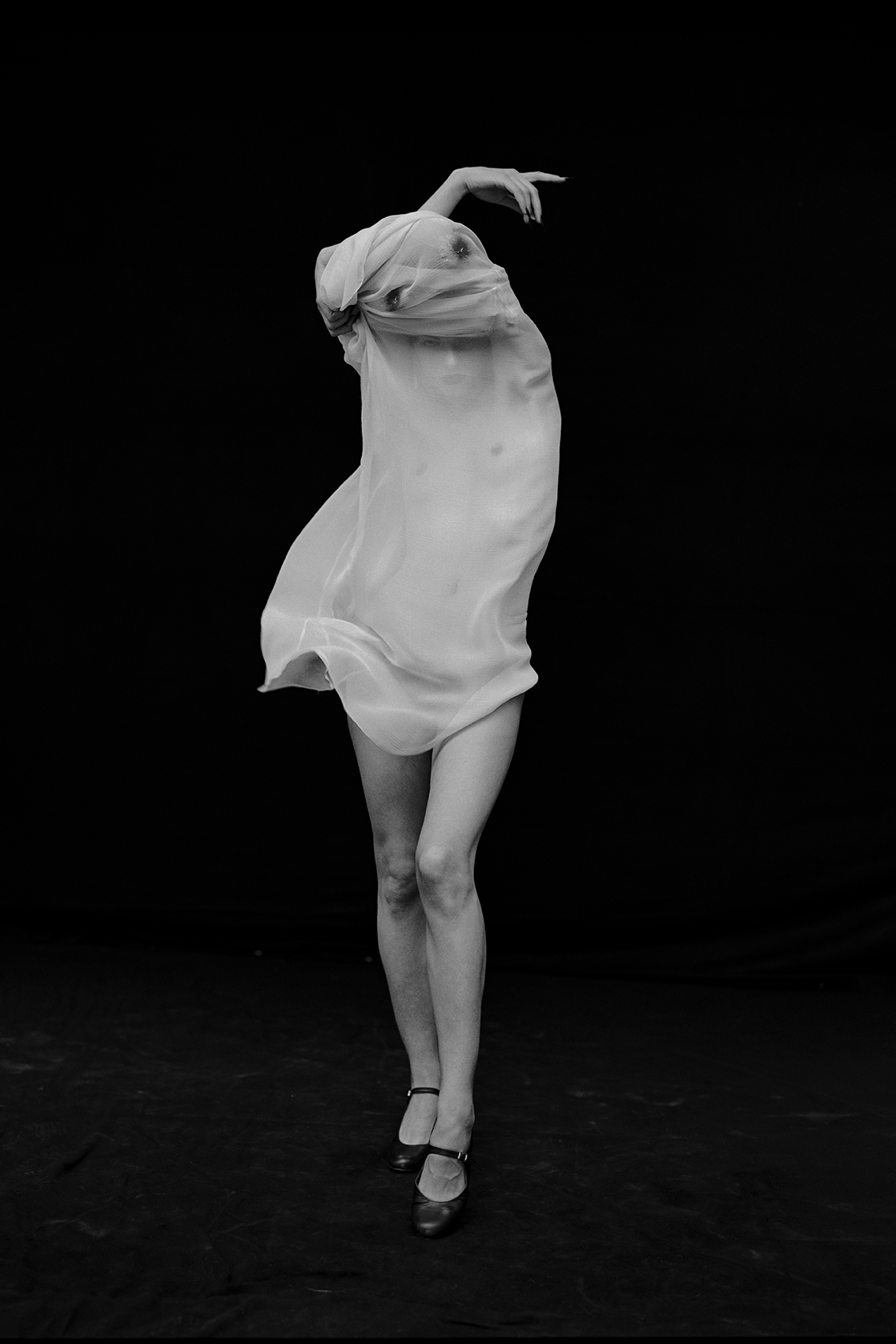
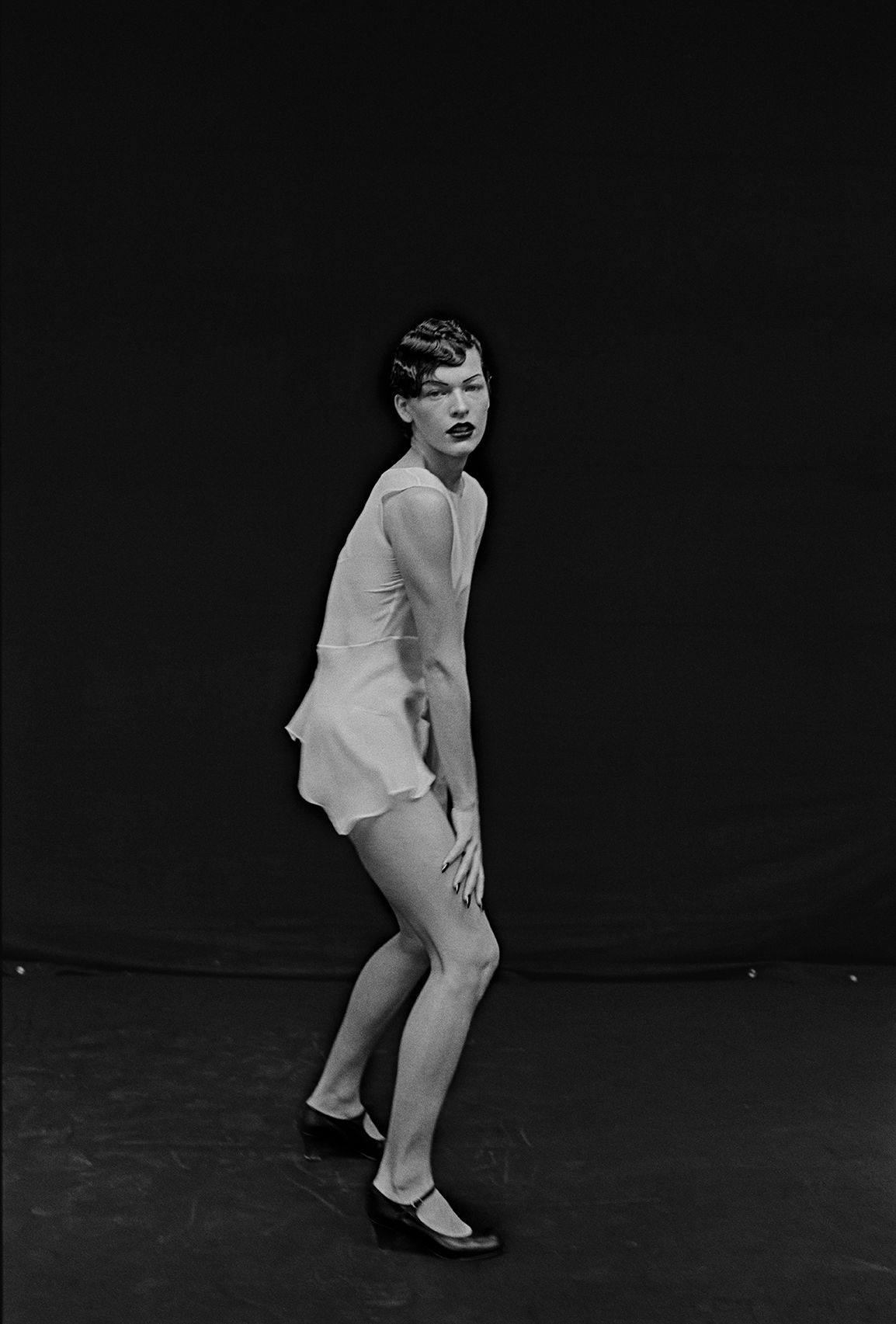
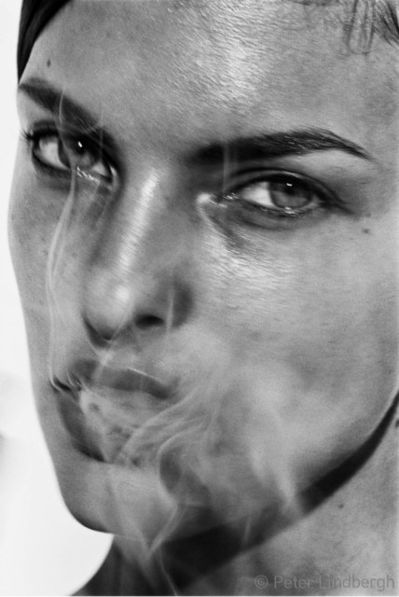
After each shoot, a box of visuals would arrive. His editorials ran between ten and twenty pages. Opening those boxes was like opening a gift — beautiful magic. Unretouched, raw, black and white, cinematic. Supermodel portraits in all their natural glory; what he himself described as monochromatic realism.
"It is everything that gives you the courage to be yourself, at all times. Nothing more."
— Peter Lindbergh, on what beauty means
The golden age he made possible
Many in fashion credit Lindbergh with defining the golden era of the supermodel. In an industry that had spent a decade pursuing polished, artificial perfection, he changed the rules — not with a manifesto, but with a single photograph.
For the January 1990 cover of British Vogue, he assembled Linda Evangelista, Christy Turlington, Naomi Campbell, Cindy Crawford, and Tatjana Patitz on a downtown New York street — the first time that generation had been photographed together as a group. It was an image that announced a new era.
Jan 1990
"It was a new generation," Lindbergh said, "and that new generation came with a new interpretation of women." That image reverberated far beyond fashion — it famously inspired George Michael's Freedom '90 video, directed by David Fincher, in which those same women appeared. A photograph that became a cultural landmark.
The supermodels were not simply beautiful faces to Lindbergh — they represented something he had long been searching for. He felt uninspired by the artificial perfection of '80s fashion photography and deliberately sought something truer.
"I wanted to move away from the rather formal, quite perfectly styled woman who was very artificial. I was more concerned about a more outspoken, adventurous woman in control of her life. My ideal was always the young women I met in art school — very independent and who could speak for themselves. The supermodels represented this change."
Truth before the lens
Born in 1944, Lindbergh began by photographing his brother's children. "There was something incredible there," he recalled. "It was the innocence — children don't put anything between themselves and the camera. But when you photograph adults, they're always concerned about how they look. I try to catch the truth, to strip away what they're trying to put between themselves and the camera."
That philosophy never left him. Clothes, for Lindbergh, were never the point. "I don't even ask what outfit I'm shooting," he once admitted. His subjects — however famous, however styled — were always more interesting than what they wore.
A legacy against artifice
In an era dominated by digital retouching and the performative perfection of social media, Lindbergh remained a fierce and principled dissenter. He was a vocal critic of selfie culture and the apps that offer anyone the means to instantly alter their appearance to meet a narrowing standard of beauty.
"At a time when Photoshop makes it possible to wipe out years and smooth faces, the idea of showing the truth of time passing over everyone seems to us ever more scandalous."
His legacy is not simply a body of iconic images — though that body is extraordinary. It is a philosophy: that beauty is not the erasure of what makes us human, but the full, unguarded expression of it. He gave the world's most photographed women permission to simply be. And in doing so, he changed what beauty means.
For those of us who were lucky enough to work near him, what endures is not just the photographs. It is the memory of a man who brought the same generosity and lack of pretension to a production as he did to his work — and who understood, perhaps better than anyone in his field, that the most powerful thing a camera can do is simply tell the truth.
Rest in peace, Peter Lindbergh.
Very sad to hear the news of the passing of the great fashion photographer Peter Lindbergh today at the age of 74.
I feel very fortunate that I had the opportunity to work with him while i was an editor’s assistant at Vogue Italia, He was kind, inspiring, never pretentious and in general one of the few productions I was excited to be a part of. After the shoots, I would receive a box with the visuals which I’d send to the Milan office and usually his editorials were between 10 and 20 pages long. Opening the boxes, was like opening a gift, beautiful magic, un -retouched, raw, black and white cinematic super model photos in all their natural glory ( In more technical terms described as Mono chromatic realism).
Many people in fashion say that he is responsible for defining that golden era of the supermodel in the 90’s.. For a January 1990 cover of British Vogue, he assembled Evangelista, Turlington, Naomi Campbell, Cindy Crawford, and Tatjana Patitz in downtown New York. «It was a new generation, and that new generation came with a new interpretation of women,» he explains. «It was the first picture of them together as a group.». Oh and Vogue Cover apparently inspired George Michael’s Freedom 90' video, directed by David Fincher.
Born in 1944, Lindbergh started photographing his brother’s children, «There was something incredible there, it was the innocence – children don’t put anything between themselves and the camera. But when you photograph adults, they’re always concerned about how they look. I try to catch the truth, to strip away what they’re trying to put between themselves and the camera.”
He felt uninspired the way models were photographed in the ’80s. ‘
I wanted to move away from the rather formal, quite perfectly styled woman who was very artificial. I was more concerned about a more outspoken, adventurous woman in control of her life and not too concerned about her social status or emancipated by masculine protection. My ideal was always the young women I met in art school, very independent and who could speak for themselves. The supermodels represented this change.’
His photos always focused on the natural beauty of his subject, clothes as props were never a central element for his shoots. “I don’t even ask what outfit I’m shooting,”
Lindbergh was a critic of today’s selfie culture, one in which phone apps are offering the general public the means to quickly alter their appearance to adhere to societal standards of beauty.
"AT A TIME WHEN PHOTOSHOP MAKES IT POSSIBLE TO WIPE OUT YEARS AND SMOOTH FACES, THE IDEA OF SHOWING THE TRUTH OF TIME PASSING OVER EVERYONE SEEMS TO US EVER MORE SCANDALOUS."
He was often asked “ WHAT IS BEAUTY FOR LINDBERGH TODAY? “ and He’d usually respond: “ It is everything that gives you the courage to be yourself, at all times, nothing more.”
Rest in Peace Peter Lindbergh