Farah Alimi on Painting Memory & Nostalgia

Farah Alimi: Painting Memory, Preserving Syria | Antakly Projects
Antakly Projects  ·  Art  ·  Memory  ·  Syria

Farah AlimiPainting Memory,
Preserving Syria

A conversation about nostalgia, displacement, and the Thursday family dinners she keeps alive on canvas.

Born Damascus  ·  Based Paris Acrylic  ·  Levantine culture  ·  Memory Northern Virginia  ·  New York  ·  Marseille  ·  Paris

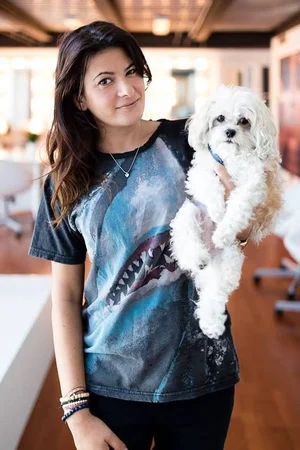
Some conversations feel especially personal, and this is one of them. As someone who holds onto nostalgia, whether it is the warmth of a childhood memory, the scent of a familiar dish, or the echoes of a place that has changed beyond recognition, Farah Alimi's work resonates in a deeply profound way.

Born in Damascus and now based in Paris, Farah channels the essence of a home she left long ago into her art, offering a window into the beauty and cultural richness of the Levant. Through her textured acrylic paintings, she revives the everyday moments of Syrian life: the ones that feel so familiar yet, in today's headlines, are unrecognisable. Her work is more than a reflection of memory. It is a quiet act of preservation, of holding onto what time and conflict might otherwise erase.

In this conversation, we explore the themes that shape her art: food, daily rituals, and the people who inhabit her memories. We talk about what it means to reconnect with a place from afar, how nostalgia can be both comforting and painful, and the freedom that art offers in navigating identity and belonging. This is a special one.

"I feel as though I am building a spiritual connection with my country, one I hope to carry in my heart forever."
Farah Alimi
The conversation

You have spoken about how art became a way to cope with nostalgia and anxiety. Do you remember the first piece you painted that made you feel a sense of release or healing?

Absolutely. I vividly remember the very first piece I painted to cope with my nostalgia. It was five years ago, during the lockdown. I initially began by drawing friends on cancelled vacations: scenes of people against the backdrop of cities. The more I drew, the more I found myself reflecting on my own journey. I began to confront the quiet cancellation of my imagined trips to Syria, a ritual I had held for nearly nineteen or twenty years, to the point where I had lost track of time. But the very first official painting I created about Syria was of my maternal family.

How has your relationship with Syria evolved through your art? Do you feel closer to your homeland when you paint?

My relationship with Syria has undoubtedly evolved since the moment I began painting about it. It is hard to put into words the feeling I get each time I paint a particular subject or someone from my family in Syria, someone who is no longer here or whom I have not seen in decades. It is a sensation where my heart skips a beat, in the best possible way, yet deeply emotional.

I know this might sound strange, but I need to feel sadness in order to create something meaningful. There have been moments, brief and fleeting, when while painting I felt as though I were in my home in Damascus. It was surreal. I feel as though I am building a spiritual connection with my country, one I hope to carry in my heart forever.

You have lived in cities with very different cultures. How have these experiences influenced your artistic style?

After leaving Damascus at the age of ten, my first city to call home was Northern Virginia, just outside Washington D.C. My very first thought was: where are the skyscrapers? It was one of those moments where the world felt wonderfully different. Twelve years later I moved to New York, then Marseille, and now Paris.

If these cities have taught me anything, it is to embrace the lessons they offer without forcing them. Above all, they have reminded me to stay true to myself and pursue what I truly believe in. I think that is something that naturally flows into the things we love to do. For me, it spills out onto the canvas.

Your late grandfather is a major source of strength and inspiration. What are some of the memories or lessons from him that find their way into your work?

My late maternal grandfather holds a profound place in my paintings. I feel this deeply: it is my grandfather who is behind my ability to paint. I began just five years ago, and every painting I create feels like his way of saying, Hello and I miss you. It is his way of showing me the immense love he had for Syria and for all the Syrian people, regardless of their beliefs.

The first ten years of my life in Syria were marked by the absence of my father, who was in the States working tirelessly to build a future for us. In his stead, my jiddo stepped into that role, ensuring he was always there for his grandchildren and for my mother. He was my teacher in so many ways: introducing me to music, history, refined taste, generosity, and the importance of fairness. He taught me the value of hard work and how to always strive for what you want. I will love him forever, for how he shaped my world in ways that words can scarcely capture.

Youm
El KhameesThursday
Dinner
Damascus
A family tradition
30 people
Every week
Until he was gone

One of my most cherished memories of Syria is Youm El Khamees, the early Thursday dinner shared with my entire maternal family. After school, we would rush home, get ready, and head straight to my grandfather's house in the heart of Damascus. This gathering became a sacred tradition for us.

I can still clearly remember the sight of the large table we would set, the soft thud of plates being placed, and the gentle clink of spoons aligning along the edges of each plate. The air was filled with the aromas of amazing food, the sweet desserts, and the fruits my jiddo would bring home after work. Food was everything. It was the answer to so many things, the heartbeat of our family.

You will see food and flowers in my paintings, as they represent the vibrant life shared in every Damascene home. There were about thirty of us, uncles, aunts, cousins, a growing family that came together every Thursday throughout my childhood. Even after I moved to the States, the celebration continued in Damascus, until my grandfather's passing.

I hope that one day, when I visit Damascus again, I can gather my family once more on a Thursday for an early dinner at Grandpa's house, to celebrate his life, as well as my grandmother's. I am sure they will feel the love from above.

There is a strong sense of resilience and freedom in your work. How do you balance the weight of loss with the beauty of cultural preservation?

Growing up in Syria, my mother created a strong, protective bubble around us. She carefully muted out the negativity and outside chaos, welcoming only the good energy that nourished our spirits. Within that bubble, she taught us invaluable lessons: how to stay true to ourselves and always be kind to others. She showed us how to focus not on the loss or the fear that lurked at the door, but on the beauty of what we had: our shared moments, our laughter, and the dreams we held for the future.

"Anything is possible," she would say, and it was her belief in us that gave us the courage to keep dreaming, no matter what.

If your art could send a message to those who have been displaced or feel disconnected from their roots, what would it be?

This one is hard to put into words. There was a time when I felt disconnected from my roots, perhaps out of fear: fear of opening that box of memories I once thought I could never reach in this lifetime. But over time I have come to realise that your roots will always be a part of you, no matter how far you drift. We are not perfect, and sometimes we need to step away in order to return with a deeper understanding.

To the displaced, to the disconnected: I am sorry, and I love you. My hope is that my art can offer you, even for a fleeting moment, a glimpse of a memory or a cherished moment you hold close. Above all, I truly wish that through my work I can help bring people together, whether it is a reunion with their roots or a return to a special memory that once made them whole.

What impact do you hope your art will have on those unfamiliar with Syrian culture?

I paint with love and a hopeful heart, wishing for my people to find their way to a better place, for my country to rise again and walk with grace, free from all the hard bumps. We Syrians are filled with light and love. As I paint, I almost unknowingly pour my transparent love for Syria and her culture into every stroke, hoping that through my creations others can see that love too, shining through, pure and unfiltered.

Upcoming shows or projects you would like to share?

I have several creative projects in the works, and I am incredibly grateful for every collaboration and exhibition I have had the opportunity to be part of in different cities. But my ultimate dream is to one day showcase my work in my own city, Damascus, specifically in Al-Midan, the heart of where my maternal family comes from. I truly hope that day will come.

"We Syrians are filled with light and love. I pour my transparent love for Syria into every stroke, hoping that through my work others can see that love too."
Farah Alimi
Photography  ·  Augusta Sagnelli

With love and curiosity,
as always.

Leila Antakly
Leila Antakly

Leila Antakly is the founder and editor of Antakly Projects, the independent cultural platform she launched in New York in 2003 as Ninu Nina. Syrian and Colombian, she began her career at Vogue Italia and has spent more than twenty years in conversation with artists, musicians, designers, photographers, and inspiring thinkers around the world.

https://www.ninunina.com/
Previous
Previous

Chapter III The Mosaic Shattered

Next
Next

Aichi Triennale 2025: Where Art, Time, and Memory Converge