Isabel Pinto: Exploring Identity Through Photography
Isabel Pinto
Photographer · Portugal · Mozambique
Humanity, cultural diversity, and the fine interplay of identity, across borders and genres.

Why this conversation
Isabel Pinto grew up in Mozambique, learned photography at her father's side, studied anthropology, and fell into fashion almost by accident while touring with Portuguese rock bands. That unlikely path is exactly why I wanted her here. She photographs people, often people the fashion world tends to flatten, with an anthropologist's care and a collaborator's openness. She is also honest about the hardest question a photographer like her faces, and she does not flinch from it.
The work
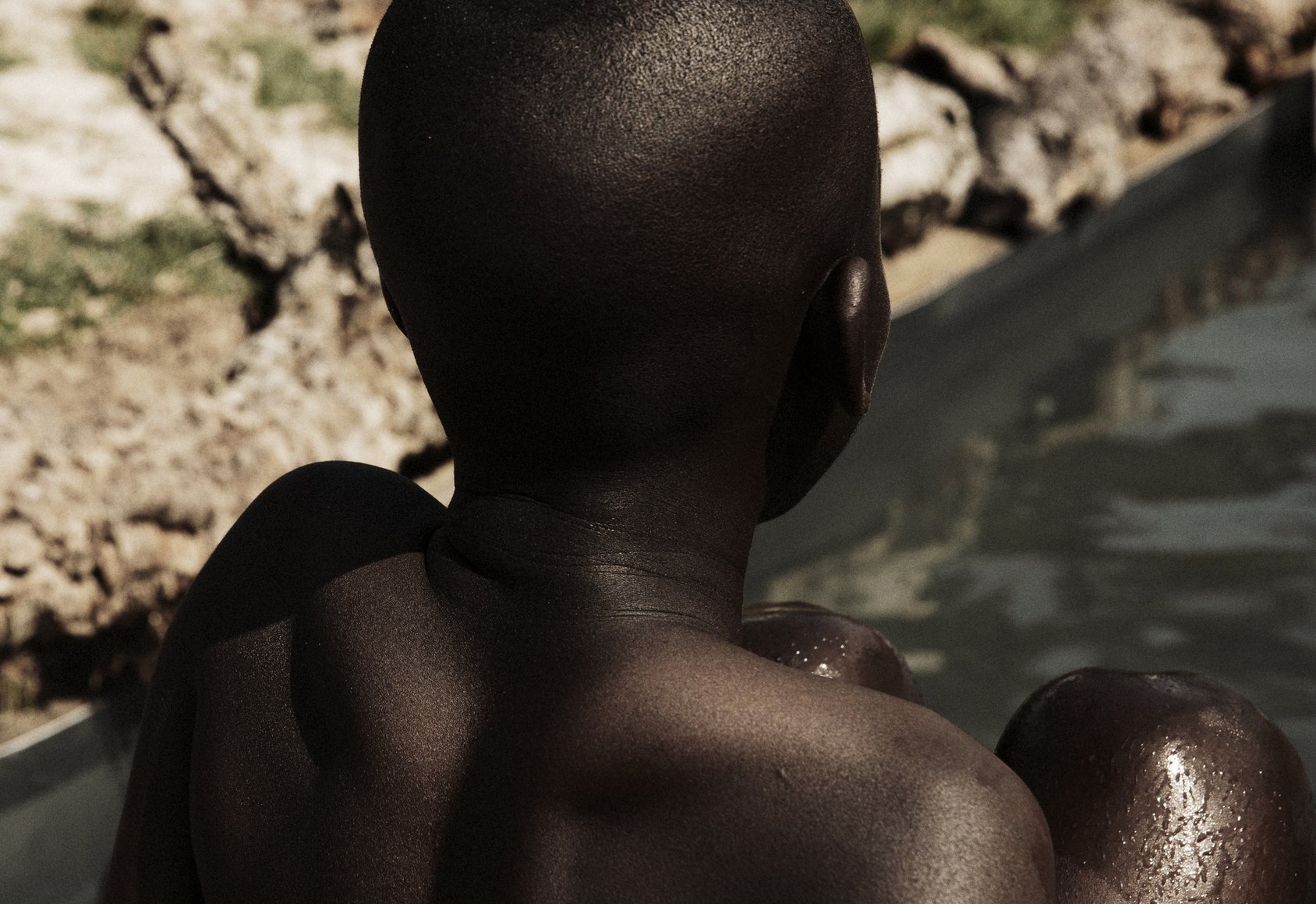
Isabel Pinto is an acclaimed Portuguese photographer whose work moves easily across borders and genres, held together by a steady interest in humanity, cultural diversity, and the fine interplay of identity. From her roots in Mozambique to her celebrated fashion editorials, her career reads as a tapestry of experience and restless creative exploration. In 2024 she won second place in LensCulture's Black and White series.
A unique path to photography
She grew up in Mozambique during the colonial era, shaped by the stark contrasts of light and shade around her and by the complicated dynamics of power and identity. Her father's passion for photography put the medium in her hands early. A degree in Anthropology gave her a deeper grasp of human culture, but it was travelling with Portuguese rock bands, documenting life behind the scenes, that bent her path toward fashion, where her anthropological eye found a new home.
Her dyslexia shaped her vision too. "Being dyslexic glued all the above," she reflects, as if her particular way of processing the world sharpened how she tells stories in images.
Influences
- Malick Sidibe and Seydou Keita, for their pioneering portraits of African identity.
- Santu Mofokeng, for his tender record of South African life.
- Leila Alaoui, whose work sits close to Pinto's own themes of diversity and belonging.
- Mous Lamrabat and Omar Victor Diop, contemporaries who fuse traditional and modern aesthetics.
What unites them, and her, is a commitment to images that challenge exclusion and discrimination while celebrating a shared human beauty.
The process becomes something else, and I feel it is extraordinary.
A spontaneous, participatory process
For Pinto, the work begins long before the camera. Ideas arrive in quiet moments, on a flight, in the shower, in the middle of turning over life's difficulties, and she writes them down, pulling from her own experience and from the emotions of the people she works with. On set her approach is fluid and participatory, and the active involvement of her subjects, their stories and identities, is what breathes life into the pictures.

The responsibility of visual narratives
She is clear about the weight of visual storytelling. In art, in fashion, in institutional imagery, she believes makers have a duty to reflect the world's diversity responsibly. And she meets head on the question she is asked most often, about her right to photograph people outside her own ethnicity. Rather than dodge the colonial history behind it, she answers with empathy and a belief in shared humanity. "Images should talk with people's perceptions about diversity," she says, making the case for a more inclusive global picture.
Images should talk with people's perceptions about diversity.
Find her work
See more on her website and on Instagram. Her award-winning series was recognised in the LensCulture Black and White Awards 2024.
Thank you, Isabel.