A Journey Through Art: A Conversation with Nélia Dos Santos Azevedo

Nelia Dos Santos Azevedo
A unique background that intertwines African heritage and European identity. Documentary and artistic photography in conversation. Winner of the Descubrimientos Prize at PHotoESPANA 2024.
My mother is African, but my skin has always been very fair, while my culture was deeply African. This duality inspired me to explore themes of identity, memory, and social struggles in my work.
The camera isn't just a technical tool. It's a bridge to approach others and listen to their stories.
Nelia Dos Santos Azevedo grew up navigating a duality that would become the defining engine of their practice. An African mother, a fair complexion, a deeply African culture and a world in the 1980s and 90s that had little room for such complexity. Initially drawn to photojournalism, they soon found its narrative limitations too constraining, and moved toward a more artistic approach. A Master's in Photography from PHotoESPANA provided the framework to fuse these two impulses: the documentary instinct and the artistic imagination.
The result is a body of work that uses photography to question, provoke, and transform perception. Their project Marimbar, exploring the universality of emotions and experiences across different contexts, won the Descubrimientos Prize at PHotoESPANA 2024 a significant recognition for a practice still finding its full shape. A second work, Cuello, has been acquired by a private collector.
How did you get started in the art world?
Throughout my life, observing and documenting my surroundings became a natural form of expression. I grew up in a cultural context quite different from what was considered "normal" in the 80s and 90s. My mother is African, but my skin has always been very fair, while my culture was deeply African. This duality inspired me to explore themes of identity, memory, and social struggles in my work. Initially, I was drawn to photojournalism, but I soon realized its narrative limitations, leading me to connect more with non-documentary photography.
What is your creative process like?
Photography has always been my way of connecting with the world, particularly with people. As a shy person, the camera isn't just a technical tool for me it's a bridge to approach others and listen to their stories. My creative process is deeply emotional. Sometimes, I work almost instinctively, developing projects without even realising it. Other times, a lingering idea grows into a necessity to turn that thought into something tangible. Ultimately, my work is a reflection of who I am a visual language that transforms my deepest thoughts and reflections into images that speak for themselves.
Is there a particular project you'd like to share?
One project very close to my heart is Marimbar. It has allowed me to connect deeply with my own story and, through it, with the stories of many others. This project explores the universality of our emotions and experiences, recognising that we all share a common narrative, despite living in different contexts. Marimbar was the first project to receive formal recognition, winning the Descubrimientos Prize at PHotoESPANA 2024. Another work I'm proud of is Cuello, which has been acquired by a private collector an honour that signifies my work is being valued in the artistic world.
What projects do you have coming up?
Following Marimbar, I've started documenting the African diaspora between Angola and Brazil. Both countries share a profound heritage, and my intention is to explore how their stories intertwine in today's cultural parallels. Through traditions like Maracatu, capoeira, candomble, samba, and more, I've been amazed at how these expressions interweave and evolve over time, keeping their roots alive while constantly reinventing themselves. While in Brazil, I discovered the indigenous communities of the Northeast, whose history, resistance, connection to nature and sustainability practices have fascinated me. Their rituals and ancestral wisdom, often overlooked in Europe, are a profound lesson in resilience and harmony with the environment.
"Artists are not born. They are made every day not just through practice but through constant resistance to the world."
Nelia Dos Santos Azevedo
Artists are not born; they are made every day not just through practice but through constant resistance to the world. It is not an easy task, so I encourage everyone to support the artists in their lives. If you resonate with someone's work, ask if it is for sale. That small gesture can make a world of difference in their journey.
Antakly Projects has been in conversation with artists and creatives from around the world since 2003. Explore the full archive at ninunina.com. Follow us on @antakly.projects ✦ Stay curious.
Stay curious,
Leila Antakly

Marimbar, courtesy of the artist
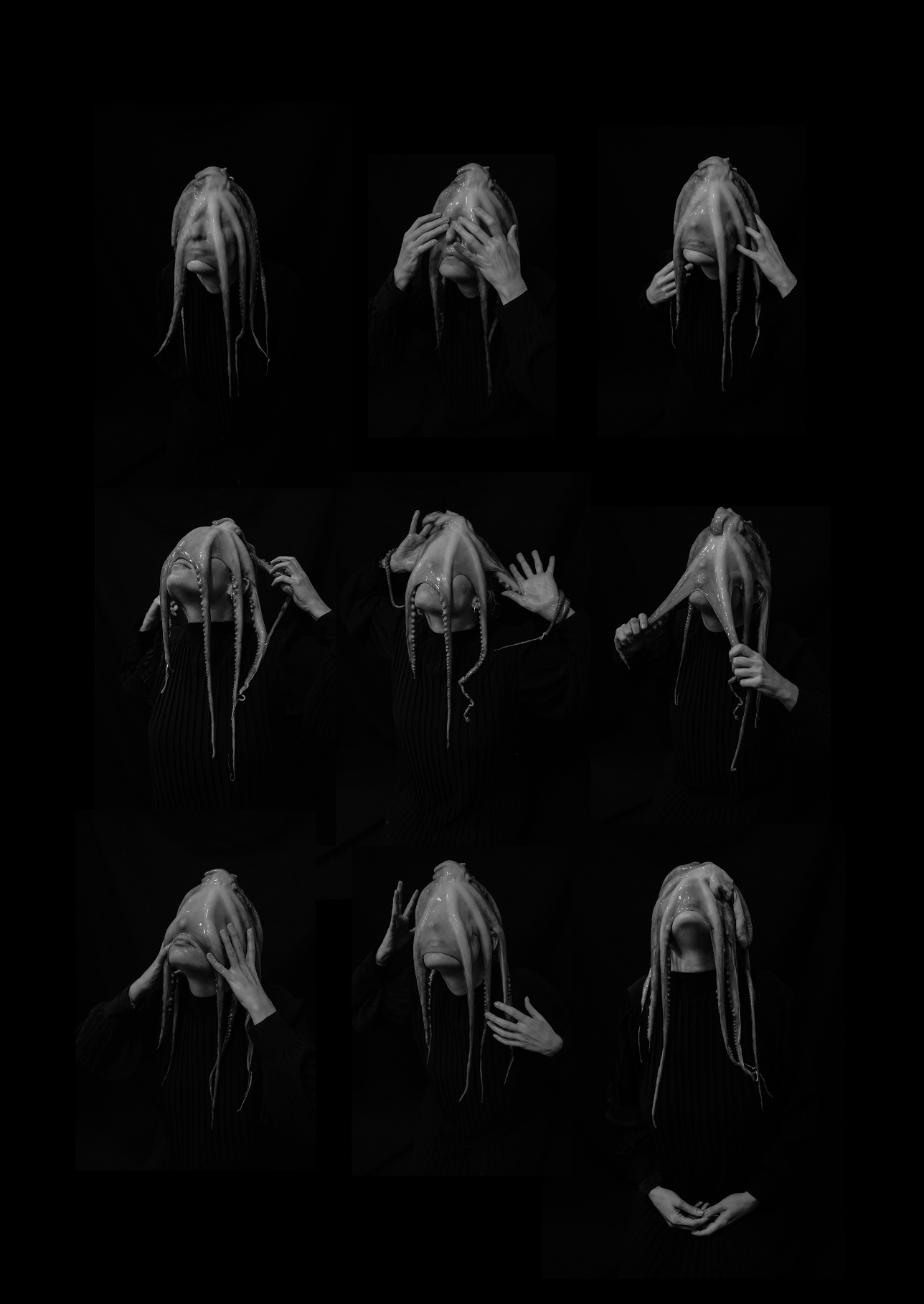
Recuerdos Marginados, courtesy of the artist