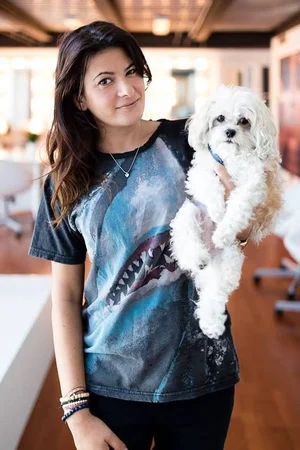
A CHAT WITH NEIL KRUG
Neil
Krug
Photographer · Art Director · Tame Impala · Djo · Los Angeles
The man behind some of the most iconic album covers of our time — from Tame Impala's desert ghost towns to 169 versions of a Grammy-nominated hotel façade. On music, obsession, and the age of the reactionary art form.
Krug's cover for Djo's 'The Crux' is now a nominee for the Grammys' brand-new Best Album Cover category — shot at 169 versions on the Paramount Pictures lot. The winning frame: version 165.
As someone obsessed with both photography and music, sharing this interview with Neil Krug is a particular joy. He is both photographer and sought-after art director — the person behind some of our favourite album covers, including Tame Impala. And when I was looking for the right words to explain how social media is changing the art world, I found them here, in his answers. Thank you Neil.
before the final frame
Talk to any record collector and they'll tell you how much they appreciate album artwork as a tangible, artistic extension of the music. Before @djotime's 'The Crux' became a nominee for the Grammys' brand-new Best Album Cover category, Krug was obsessing over 169 versions.
Shot on the Paramount Pictures lot, this maximalist '70s-inspired scene is a visual feast: apologies written in the sky, Djo hanging precariously from a hotel's second-story window, and even a minuscule mouse dressed as the bellman. This album cover rewards fans who like to slow down and appreciate the details.
The winning version was number 165.
Creative Direction by Neil Krug, Joe Keery, Jake Hirshland, and Taylor Vandegrift.
The abandoned diamond-mining town of Kolmanskop — slowly being reclaimed by the Namib Desert — provided the visual soul of Tame Impala's The Slow Rush. Krug travelled there with Kevin Parker, shooting across the sand-filled buildings and editing them into surreal interiors of vivid blues and reds.
There is something familiar but otherworldly about the resulting artwork — which perfectly captures the dreamy, psychedelic tone of Parker's music. Something that was and is no longer, preserved in colour.
How do you see social media affecting the art world?
"In general, it feels as though social media is inundating the world with sensory overload. It's as if we're living in the age of the 'reactionary' art form. I think this form — whatever you want to call it — will in time prove to have overwhelming diminishing returns."
"I never think about my career in terms of highlights. I just think of the memories of being with friends in different places — and I feel a sweet romance with those moments."
Your greatest inspirations or influences?
"My inspirations are pretty straight forward: music, sex, rainy streets, driving in the desert at night."
From the Marvel logos after Saturday morning cartoons in the 1980s — "which now could be seen as some kind of vaporwave art piece" — to a Jimi Hendrix record his father played when he was four or five years old: "…And the Gods Made Love."
"The noise of the sped-down/sped-up tapes with the heavy phasing was illuminating — almost as if my brain was getting cracked open. I now recognise that as the sound of lust in the form of a hallucinatory experience. That is something that will forever feel vital to me in art."
Tell us about your creative process.
"I try to absorb the things that speak to me and challenge my sensibilities. Then I try to create a situation where I'll be able to make the work — and finish it — with a bit of the same energy that I had when I started."
"Sometimes it's sounds I hear that'll inform an image I see in my head. If that image or scene feels exciting, I'll often write it down in some kind of scribbled code that only I could decipher. I keep tons of these little notes around my studio."
"Some ideas form over long periods of time. When they're ready to be blasted out, I'll usually have the feeling that there's nowhere left to go but out."
"It's only when you have grazed on the lower slopes of your own ignorance and begun to understand the great vistas of non-knowledge that you have, that you can claim to have been educated at all." — Christopher Hitchens, cited by Krug
All photographs courtesy of Neil Krug. Explore his full body of work at neilkrug.com ↗
You will also love
From the Antakly Projects archiveRussian photographer documenting abandoned Soviet sites in the white silence of eternal winter. World Press Photo first prize.
Read the interview ↗ MusicBerlin composer on control, surrender, and two decades of sound. Surrender album. OLA — Only Live Acts.
Read the interview ↗ Photography · ConservationUnderwater cinematographer. First ever freediver interaction with Narwhals. Arctic. Amazon. Project Hiu.
Read the interview ↗Antakly Projects — originally Ninu Nina — has been in conversation with photographers, filmmakers, musicians, artists and art directors shaping visual culture since 2003. Neil Krug is exactly the kind of creative this platform was built to celebrate.
And for the personal rants, opinions you really didn't ask for, and the occasional existential spiral: follow me on Substack.
Some ideas form over long periods of time. When they're ready — there's nowhere left to go but out. ✦