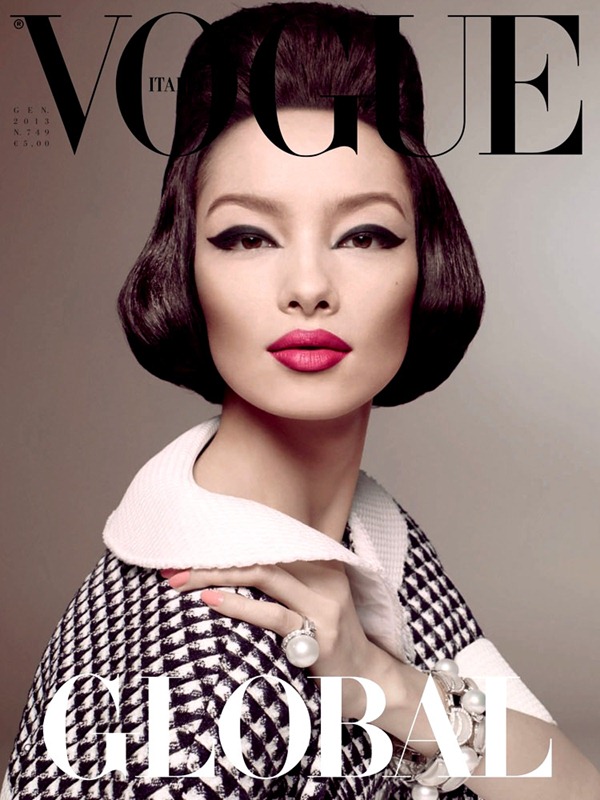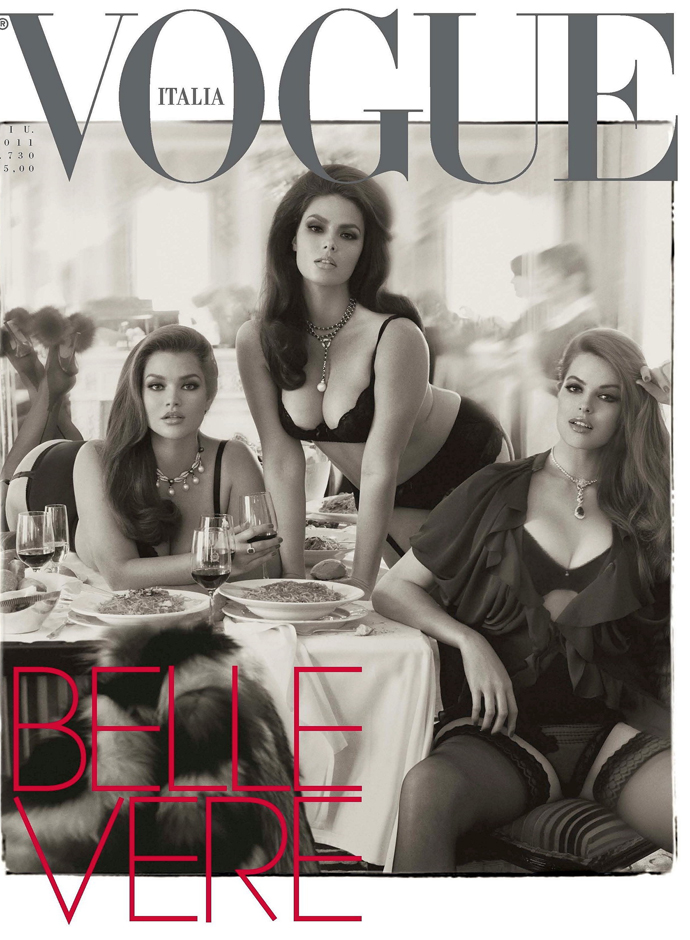
VOGUE ITALIA COVERS
in the 1990s
and 2000s:
When Fashion
Was Dangerous

To understand what made Vogue Italia during the 1990s and 2000s so different, you first have to understand that the magazine was never really about clothes. Not entirely. Fashion was simply the entry point. What Franca Sozzani built was something far more radical: a publication that used fashion photography as cultural commentary, social criticism, fantasy, provocation, and art.
At a time when most fashion magazines were still selling aspiration through polished perfection, Vogue Italia was asking uncomfortable questions. About race. About beauty. About addiction. About excess. About violence. About celebrity culture. About plastic surgery. About environmental catastrophe. Sometimes the magazine succeeded brilliantly. Sometimes it angered people. Sometimes it did both at once. That was the point.
Working there in the early 2000s, I quickly realised this was not the glossy fantasy outsiders imagined. The atmosphere could feel closer to The Devil Wears Prada than the romanticised mythology people associate with fashion publishing today. Most days were not spent discussing creativity over cappuccinos. They were spent doing exhausting administrative tasks, typing customs forms for clothing returns to Milan showrooms, counting samples, organising racks, surviving impossible pressure, and trying not to make mistakes in an environment where mistakes were not tolerated gently.
And yet, beneath all the chaos, there was the undeniable feeling that something historic was happening. Even while deeply unhappy at times in the day-to-day reality of the work, I knew I was witnessing a publication operating at a level few magazines ever reached. Vogue Italia was not reacting to culture. It was shaping it.
"Everybody can give me suggestions. But at the end, the final risk is mine."
Franca SozzaniFranca Sozzani never approached fashion as something superficial. She understood the power of imagery before social media turned images into global currency. Long before brands spoke endlessly about storytelling, she was already transforming editorial fashion spreads into cinematic essays about contemporary life. She once said fashion risked becoming "too perfect and glossy." Her answer was disruption.
The infamous 2008 "Black Issue," featuring only Black models, became one of the most important fashion publications ever printed, exposing the industry's hypocrisy around diversity. The issue sold out internationally and had to be reprinted multiple times. Ironically, Italy itself responded far less enthusiastically, something Sozzani openly discussed with disappointment. She tackled subjects most editors would never have touched inside a luxury publication: domestic violence, the BP oil spill, cosmetic surgery, rehabilitation clinics, mental health, and the cult of celebrity.
Her August 2010 edition, following the BP oil spill in the Gulf of Mexico, with images of the model Kristen McMenamy beached and befouled in black and slicked pelts, was preposterous in the way that 1790s fashion had been: shocking appearance as a visible marker of political and social allegiance. Sozzani expressed frustration that modern fashion followers lacked an understanding of history, and that fashion stories lacked the depth of context.
Unlike today's algorithm-driven publishing world, where every editorial decision is filtered through engagement metrics and brand safety, Sozzani believed deeply in instinct. That independence defined the magazine. Franca Sozzani died on December 22, 2016. Her legacy lives on.
No conversation about Vogue Italia can exist without Steven Meisel. Their relationship remains one of the most important editor-photographer collaborations in publishing history. From 1988 onward, Meisel effectively became the visual architect of Vogue Italia. Month after month, year after year, he shaped the identity of the magazine through covers and editorials that often felt closer to cinema or contemporary art than fashion photography.
While American Vogue under Anna Wintour focused increasingly on celebrity, accessibility, and commercial polish, Vogue Italia remained fiercely image-driven. Models, not actresses, were still the central protagonists. Narrative mattered more than relatability. Mood mattered more than trend forecasting. Meisel's editorials were not simply fashion stories. They were worlds.
The magazine's visual language was built not only through Meisel, but through an extraordinary network of photographers who defined an era: Peter Lindbergh, Paolo Roversi, Bruce Weber, Tim Walker, Steven Klein, Ellen von Unwerth, Miles Aldridge, and later Solve Sundsbo among others. But Meisel was the constant pulse. Together, he and Sozzani created imagery that influenced not just magazines, but advertising campaigns, runway casting, beauty standards, pop culture aesthetics, and eventually social media itself.
"The American edition sold a lifestyle. The Italian edition sold a point of view."
Leila AntaklyAmerican Vogue traditionally represented aspiration through authority. It was polished, commercial, structured, and tied closely to the machinery of American luxury fashion. Vogue Italia felt far less restrained. It embraced ambiguity, darkness, eroticism, surrealism, imperfection, and experimentation. American Vogue presented fashion as something desirable. Vogue Italia presented fashion as something psychological.
This difference extended to the working culture as well. European fashion publishing during that era operated with far fewer boundaries emotionally. There was brilliance and chaos existing side by side. Creativity often came attached to enormous pressure, volatile personalities, impossible expectations, and relentless competition. Young interns and assistants learned quickly or disappeared quickly. And yet many people who survived that world still speak about it with reverence because there was a sense that the work mattered beyond commerce. That feeling is harder to find today.
The tragedy, perhaps, is not that fashion changed. Fashion always changes. The deeper shift is that magazines themselves no longer hold the same cultural authority they once did. During the 1990s and early 2000s, a Vogue editorial could genuinely shape visual culture globally for months. Today imagery moves too quickly. Attention spans are fragmented across platforms. The algorithm rewards immediacy over depth.
Franca Sozzani understood slowness. She understood mystery. She understood anticipation. Modern fashion media often feels optimised rather than visionary. There are still extraordinary photographers and editors working today, but the system surrounding them has changed. Risk-taking has become harder inside industries dominated by metrics, advertising partnerships, and instant public backlash.
What Vogue Italia achieved during that era was rare because it existed at the intersection of artistic freedom, editorial courage, and cultural timing. It was messy. Intense. Sometimes deeply toxic. But it was alive. And for those of us who experienced even a small part of that world firsthand, there remains the feeling that we witnessed the final years of fashion publishing as true cultural force rather than simply content production.
It was messy. Intense. Sometimes deeply toxic.
But it was alive.

Read more on Substack →