Behind Every Number Is a Person
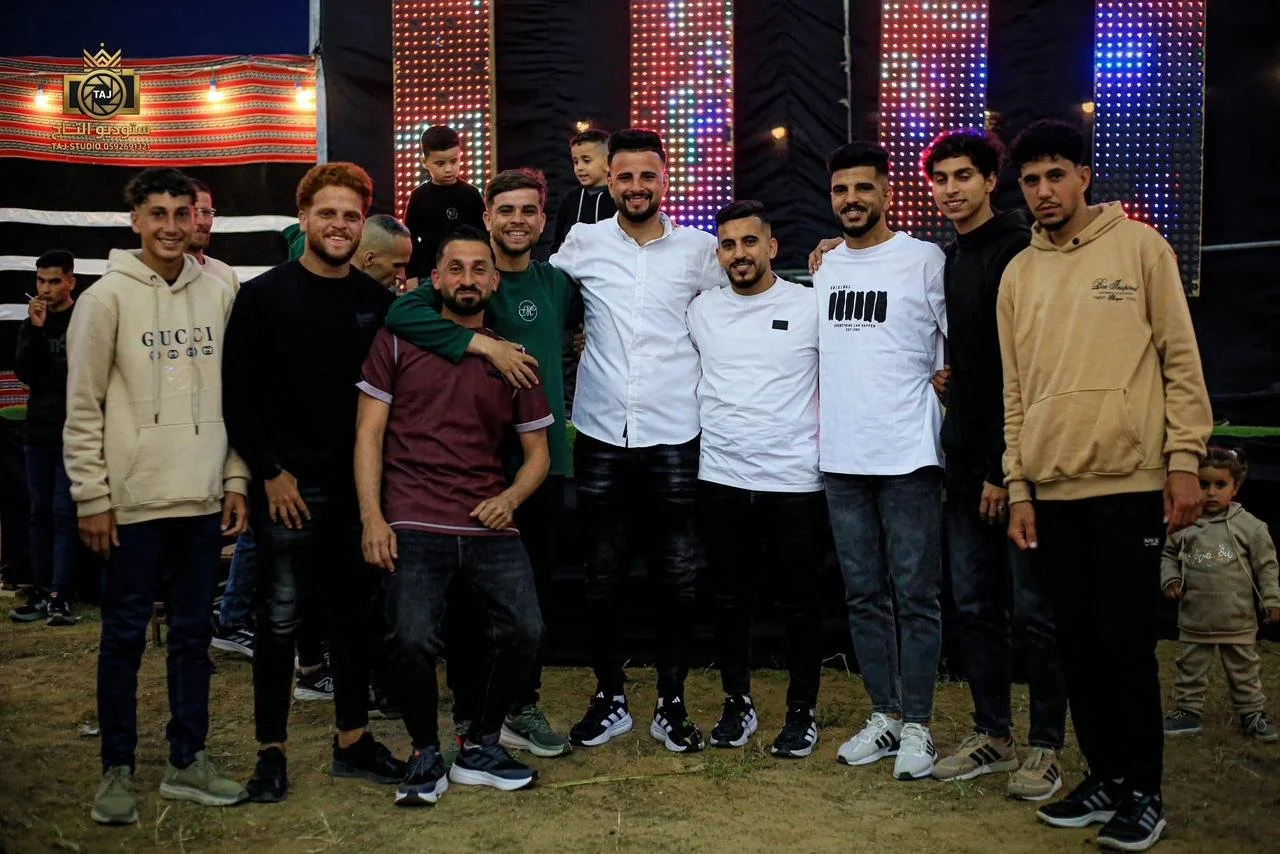
Bashar with his friends and family. While their world is devastated by war, they continue to persevere and celebrate love.
A son. A student. A friend with dreams. He is 23, he has a degree, and he is still here — smiling in a way that will stay with you.
We are two friends who believe in the good of the world. We know we cannot change everything, and we cannot help everyone. But we believe — with everything we have — that if we can help one person, we are doing something that matters.
Hellyda found Bashar on Upscrolled. They have spent the past two weeks talking. In their very first call, he asked something that has stayed with her since: "Why are people ignoring us?"
She shared this with Leila. And together, we decided to stop scrolling and start doing.
We have spoken to Bashar over many calls. We have FaceTimed. We have met his brother-in-law. We have looked him in the eye. This is someone we know, and someone we are vouching for — personally, completely, without hesitation.
We are not here to make this political. We are here to express something simpler: our humanity, and our responsibility to each other.
The price of a latte. The price of a smoothie. That is all it takes to make a real difference to a real person. No donation is too small — and none is too large.
He is 23 years old.
He graduated in computer programming just before the war started. He has a gentle face and a smile that — when you see it — makes no sense given everything he has survived. And yet there it is.
That smile is the whole story.
He is not what decades of Western headlines made you picture when someone says Palestine. He is not a threat. He is not a statistic. He is not a warning label on a news broadcast.
He is a young man who studied hard, earned a degree, and had a plan. He was excited to gain international experience. He wanted to build something. He wanted, simply, to work — for himself, for his family, on his own terms, without needing or asking — as he must today — for anyone's help.
That is all he has ever wanted.
In the last two years, Bashar has lost more than 50 members of his family — including his best friend.
Read that again. Fifty people. In two years.
He has been displaced not once, not twice, but multiple times. Each time, he gathered what he could carry and moved. Each time, he started again with less.
Today he lives in a tent — with his sister, his brother-in-law, and a few others — in a place where remotely-operated tanks roll past, where an explosion can happen whenever someone, somewhere, decides to press a button and terrorise families who have already lost everything.
He showed us the view from his tent. He wanted us to see it. Help his family survive ↗
The crossings are closed. The violence has not paused. There has been no ceasefire. And every day, the price of the most basic necessities — chicken, potatoes, clothing — has tripled.
The things a person needs to stay alive.
With no safe passage and no end to the conflict, each day the distance between Bashar and a normal life grows wider. Not because he isn't trying. Because the ground beneath him keeps being taken away.
Bashar knows the world has a big heart. Individual people, he said, want to help. And that matters enormously to him — they have internet, and they see how the world is reacting.
But he also knows that individual goodwill, alone, is not enough to stop a remotely-operated weapon.
Spain stepped up — not just its people, but its government too. He is asking the world to stay in the conversation: to keep his people visible, to not look away, to understand that behind every number in a conflict report is a person with a degree they earned, a best friend they lost, a niece who was playing, and a smile that somehow, impossibly, remains.
He smiled when we spoke. Not because things are fine. But because he has decided, somewhere inside himself, that his dignity is not something the war gets to take.
That decision — made daily, in a tent, with tanks not so distant — is one of the bravest things we have ever witnessed. We share his story with full hearts, and we pray that peace will prevail, and that he and his family can continue their lives with the dignity they have never stopped carrying.
With love, Hellyda & Leila
How you can help
We have spoken to Bashar. We have met his family. We are vouching for him. He is a person who is embarrassed to need help — and that alone should tell you everything about who he is.
The price of one coffee. That is all. No donation is too small. Every single one reaches a real person in a real tent, on a real day when it matters.
Please also share this story — with friends, on social, to anyone who believes in the good of the world. Visibility is its own form of protection.
Join us in donating support for Bashar’s 24th birthday.
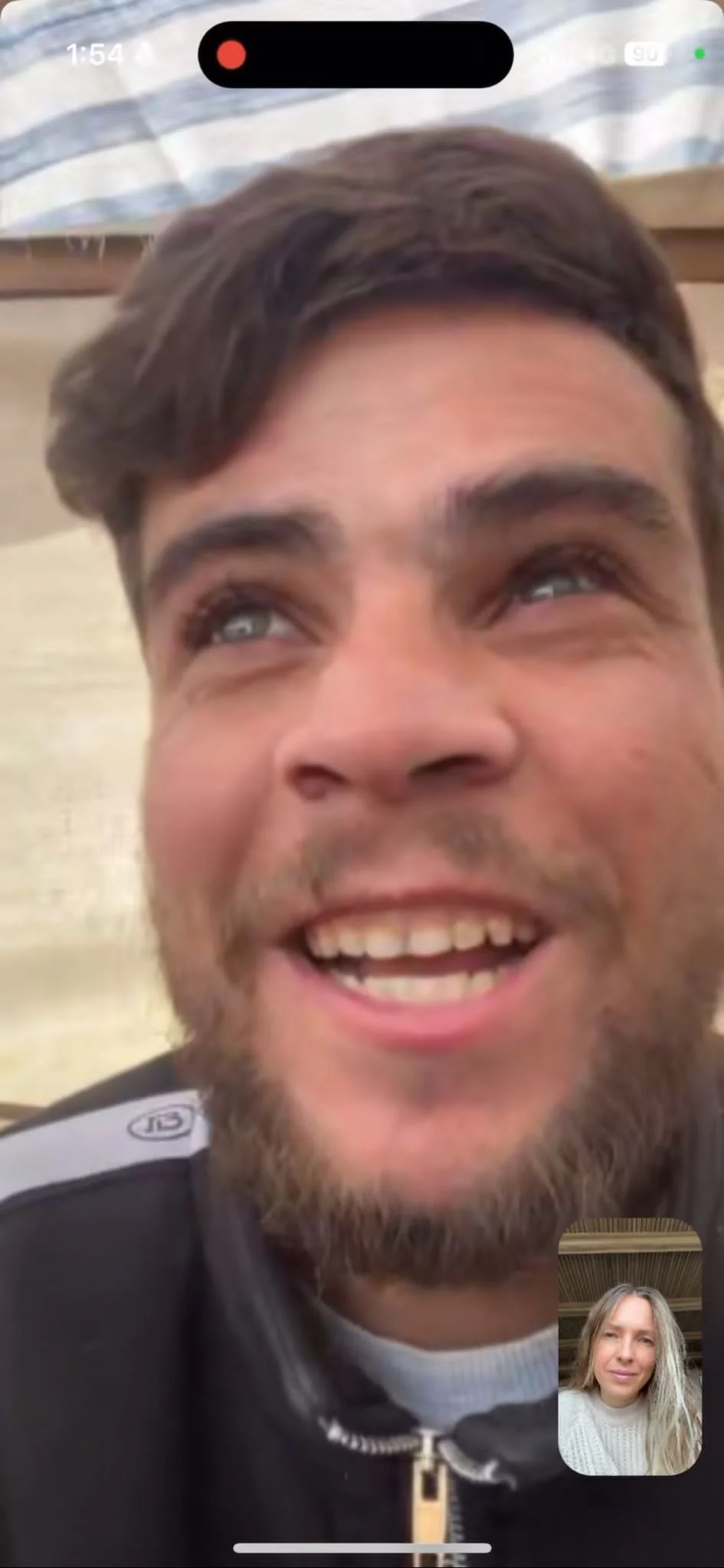
Bashar & Hellyda
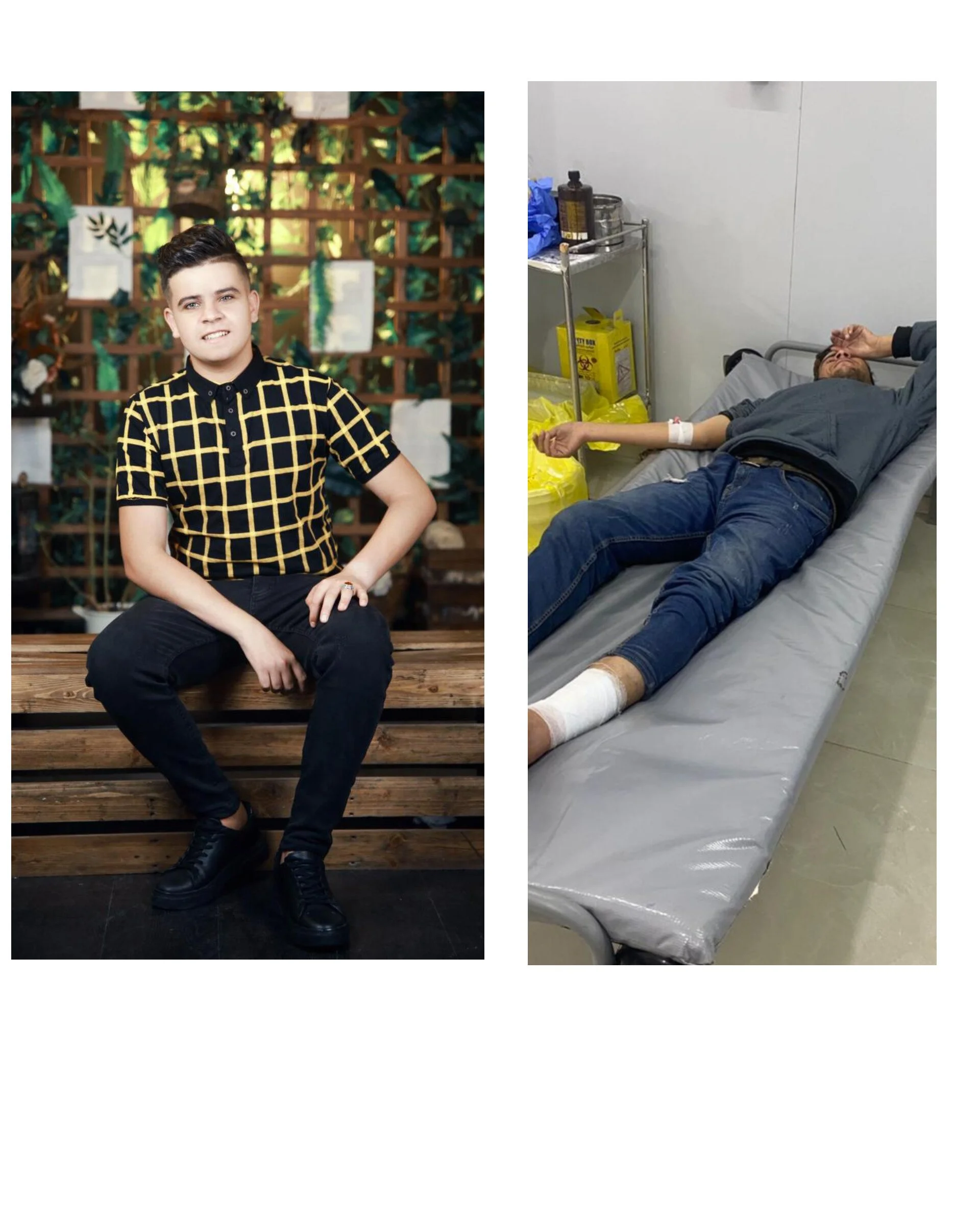
A photo of Bashar just before the war began and from the first time, he was seriously injured.