Parra for Cuva: Nicolas Demuth on “Belle de Nuit” and Returning to Piano
Nuit Solo Piano
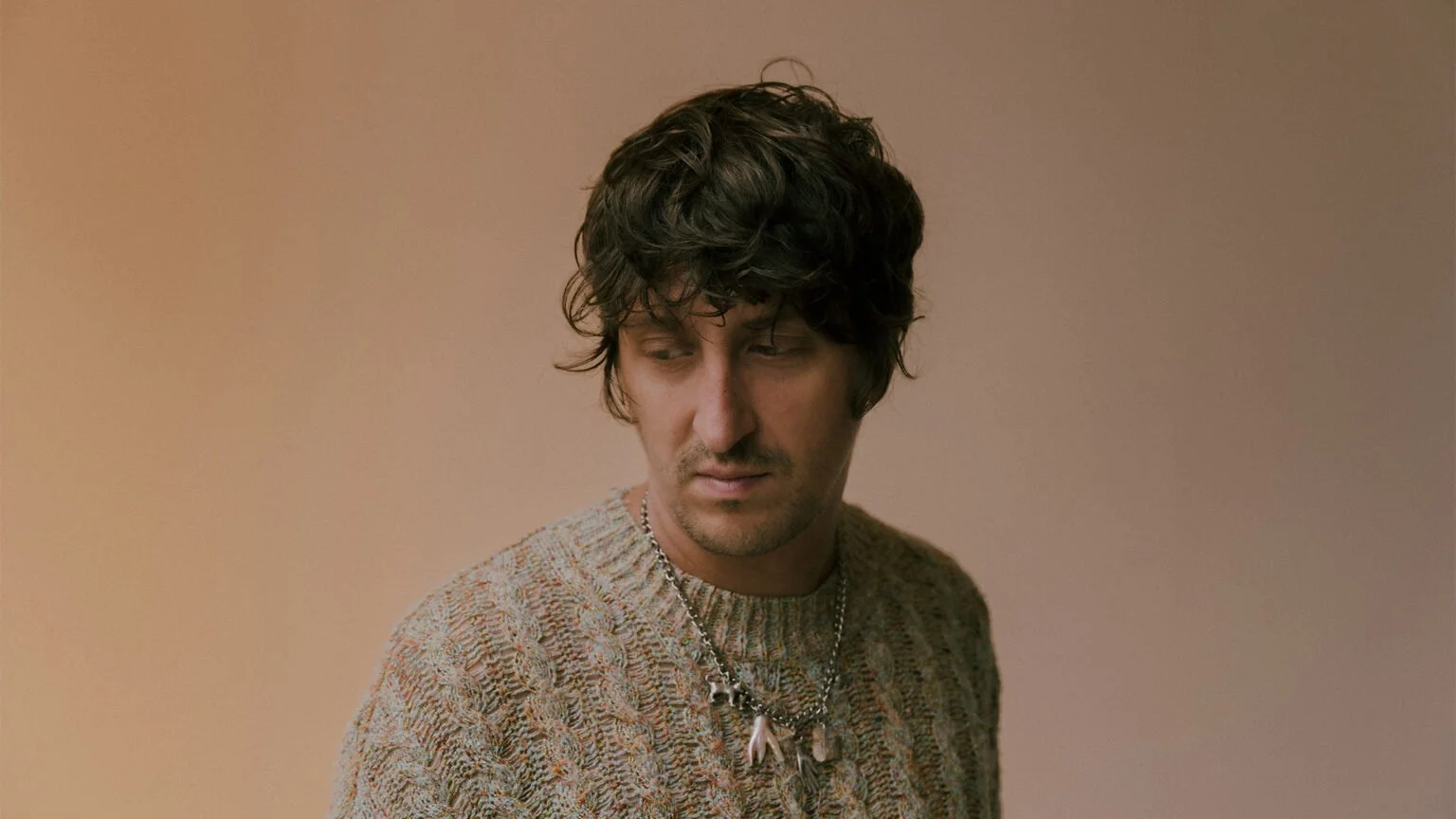
A return to beginnings. Nicolas Demuth — Parra for Cuva — strips back the layers of electronic production and sits down, alone, with the piano that started it all.
Born 1991, Berlin-based, Demuth began with classical piano before taking stops in Jazz, Indie, and finally electronic music — the genre that brought him international recognition with millions of streams on his "Wicked Games" cover.
Belle de Nuit is something different. One instrument. Intimate. Vulnerable. A composer returning to the source, playing the notes he taught himself to love long before the studio existed.
"Boredom can actually help me focus for extended periods of time on a single idea. However, sometimes a glass of wine or beer can make ideas flow more easily. In fact, Belle de Nuit was written like this."
Nicolas Demuth — Parra for CuvaTell us about your greatest inspirations or influences for the EP Belle de Nuit.
My piano teachers from my early days have been my greatest influences. I consider myself lucky to have had dedicated teachers who never pressured me and allowed me to play what I enjoyed.
How were the compositions for this EP born?
My second piano teacher taught me improvisation, showing me how to generate and develop ideas into arrangements. Typically, I prefer a calm state of mind when writing a piano song — and boredom can actually help me focus for extended periods on a single idea.
However, the creative process can be different. Sometimes a glass of wine or beer can make ideas flow more easily. In fact, "Belle de Nuit" was written like this.
How are technology and innovation affecting your work as a creative?
When it comes to my creative process, I find technology to be an invaluable tool in generating ideas. Recording my piano requires specific equipment and software to capture the rich, nuanced sound accurately.
What most excites you about this latest release?
The upcoming release of my piano music is particularly thrilling because it represents a significant departure from my usual electronic music. Electronic music, with its complex arrangements and varied vibes, is where I've focused most of my creative energy thus far.
However, piano music features only a single instrument, creating an intimate and vulnerable atmosphere that is quite different.
Influences & Roots
The composers that shaped Belle de NuitThe French composer best known for the Amélie soundtrack — cinematic, intimate, and deeply tied to memory. A defining early influence on Nicolas's piano voice.
The Italian composer whose accessible, meditative piano works opened a generation of listeners to classical music. A touchstone for Demuth's own approach to melody.
The master of colour, atmosphere, and suggestion in piano music — whose influence is also woven into the Monumental series. A shared thread.
Composer of The Piano. Nyman's rhythmic insistence and emotional directness gave Demuth a blueprint for how minimal materials can generate maximum feeling.
"I consider myself lucky to have had dedicated teachers who never pressured me." The second taught him improvisation — the gateway to everything that followed.
Electronic music. Nocturnal culture. Endless creative community. Berlin didn't just provide a home — it provided the genre and the environment that formed Parra for Cuva.
"What does well-being mean to you?"
you share it with.
"To me, well-being is synonymous with happiness."
I find happiness with the people around me and spending my time with what I love most.
Tokyo-born, Paris-based pianist Koki Nakano creates music at the intersection of contemporary classical and electronic texture. Meditative, precise, and deeply human.
Read on Antakly Projects → Piano · Composer · BerlinBerlin-based pianist and composer Johannes Motschmann works in the space where classical tradition and contemporary electronic sound meet — and transforms both.
Read on Antakly Projects →Discover more artists chosen for their ideas, not their visibility.
Antakly Projects is an independent platform dedicated to artists, musicians, photographers, designers, and thinkers at every stage. Every interview is selected for depth, not reach.
"Piano music features only a single instrument, creating an intimate and vulnerable atmosphere that is quite different."
More music interviews and cultural commentary from Antakly Projects, and personal essays from Leila Antakly on Substack.
Read on Substack ↗Demuth