Diary of a City — Nina Mouritzen Photography
Nina
Mouritzen
Copenhagen born, New York formed. Portraits, self-portraits, cityscapes — intimate, diary-like, always true.
Copenhagen-born, New York–formed. Apprenticed under Mary Ellen Mark, documented a generation — Nina Mouritzen on the diary-like intimacy of portraiture, buskers in New Orleans, and why work and hanging out are always the same thing.
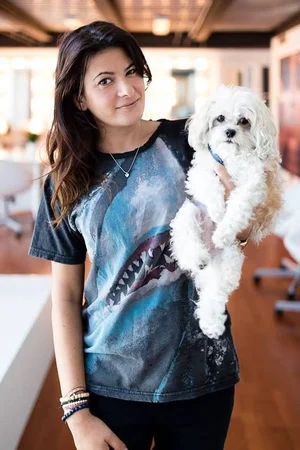
Mouritzen's photographs tend to have a journalistic, almost diary-like atmosphere to them — intimate, close, true.
Nina Mouritzen moved from Copenhagen to New York in 1999 at nineteen. Within her first year she was interning for Mary Ellen Mark — one of the defining documentary photographers of the twentieth century. After that came a year assisting Patrick Demarchelier. All the while, she was building her own work: portraits, self-portraits, cityscapes rooted in a passion for music, performance art, street life and self-identifying communities.
Her debut show came in 2003 at The Room, NY, entitled In Transit… Since then she has exhibited at the National Gallery of Denmark, Chashama in New York, and The Bravo Center in Oaxaca, and continued documenting figures from the music and art worlds for Dazed & Confused, Spin, Tokion and beyond. She divides her time between Copenhagen and New York.
I had the great pleasure and privilege of interning and working for Mary Ellen Mark for a year. She inspired me tremendously.
Nina Mouritzen
"I'm inspired by documentary photography, and regard Mary Ellen Mark as a huge inspiration." Beyond still images, her influences run across music, contemporary art, and film — anything that puts images in her head. "I like things that relate to my generation, and I feel fortunate to have close friends that inspire me all the time."
I don't have a dream project per se that I have had since day one. I feel like I have tons and tons of things I want to do, and as I start to do them, more things become interesting.
Nina Mouritzen — on what's next
"My work straddles fine art and documentary photography with emphasis on intimate stories in a larger urban cultural and historical context — often engaging in a collaborative and participatory relationship with the subjects involved."
We have been a part of this change — using social media to expose the works of some of the most inspiring artists in the world and putting you, the reader, in touch with them directly. There is no need for only a few people in a flawed system to dictate what artists can and cannot be exposed to when only a limited few could benefit from the old model. Today it is more important than ever to preserve the artist's perspective. Because artists are. ✦