
A Photo Diary of Mallorca - Antakly Projects
Deïà
Too chic for Ibiza, too quiet for Portofino. The village where Robert Graves wrote, Mike Oldfield recorded Tubular Bells, and Richard Branson decided to stay.
"The Majorcan countryside is not at all a place to go in search of inspiration; but admirable for people whose minds already teem with ideas that need recording in absolute quiet."
There is a village in Mallorca that does not advertise itself. You find out about it the way you find out about the best things: from someone who has already been, who mentions it almost reluctantly, as if sharing a secret they are not entirely sure they should. Golden-coloured stone houses with colourful shutters dotted on hills among the cypress, olive and palm trees. A church on a peak. The Mediterranean below. A population of 850, some of whom have been here for generations, and some of whom arrived for a week in 1975 and never left. This is Deïà.
It has long been the destination for those too chic for Ibiza and too cool for Portofino. Not because it is better, exactly, but because it is different in a specific and irreplaceable way: it is genuinely quiet. There is no scene here in the way there is a scene in those other places. There is no moment where you look around a beach club and register that you are being seen. Deïà does not offer that. What it offers instead is absolute quality of experience in near-total privacy, which is something that money cannot buy in most of the world and can still buy here.
Robert Graves moved here in 1932 and stayed until his death in 1985. His house, Ca n'Alluny, is now a museum. He is buried in the churchyard above the village. He was the first in a long line of artists, writers and musicians who arrived and decided that the question of whether to leave could be answered later. Mike Oldfield wrote Tubular Bells while living in Deïà. Andrew Lloyd Webber wrote some of his most celebrated work here. The Beatles came. The Rolling Stones came. Keith Richards and Charlie Watts are among those who spent extended time in the village. Mick Jagger and Mark Knopfler played at the local bar, Sa Fonda, in the late 1980s. Jimi Hendrix, David Bowie, Bob Geldof: the list of musicians who passed through reads like a festival lineup from another era.
Canterbury scene musicians Kevin Ayers, Robert Wyatt and Daevid Allen all called Deïà home at various points. Anàis Nin visited in the 1920s and wrote a short story set on the village beach. Pablo Picasso was captivated by the light. Joan Miró spent the last 27 years of his life on Mallorca, drawn by the same quality: the light, which is unlike any other Mediterranean light, clear and warm and still somehow melancholy in the late afternoon. Princess Diana came. Michael Douglas and Catherine Zeta-Jones own a nearby residence. Pierce Brosnan. Robbie Williams. The luxury of privacy is what drew all of them, and what keeps drawing new generations of people who have everything except the ability to disappear.
"It provides the perfect environment to relax, laugh, learn, and love with my family. My favourite memories are the most simple: sitting around the table talking, admiring the scenery, and enjoying meals and good company."
Sir Richard Branson · On Deïà · VogueRichard Branson purchased La Residencia in the 1980s, transforming a 16th century stone manor into what remains one of the great hotels of the Mediterranean. Now managed by Belmond, it sits in the mountains above the village with over 70 sculptures in its gardens and a programme called Artists in Residencia, run in collaboration with Artnet, that invites working artists to spend time creating in Deïà. The Café Miró inside serves exceptional afternoon tea and creative tapas on a terrace facing the Serra de Tramuntana. This is not a hotel that performs luxury. It embodies it, quietly, without announcement.
Hotel Corazon offers something more intimate: a small, design-conscious property that has become a reference point for the creative community passing through. The aesthetic is considered, the atmosphere unhurried. It is the kind of place where you extend your stay without entirely understanding why, until you realise that nothing is pulling you away.
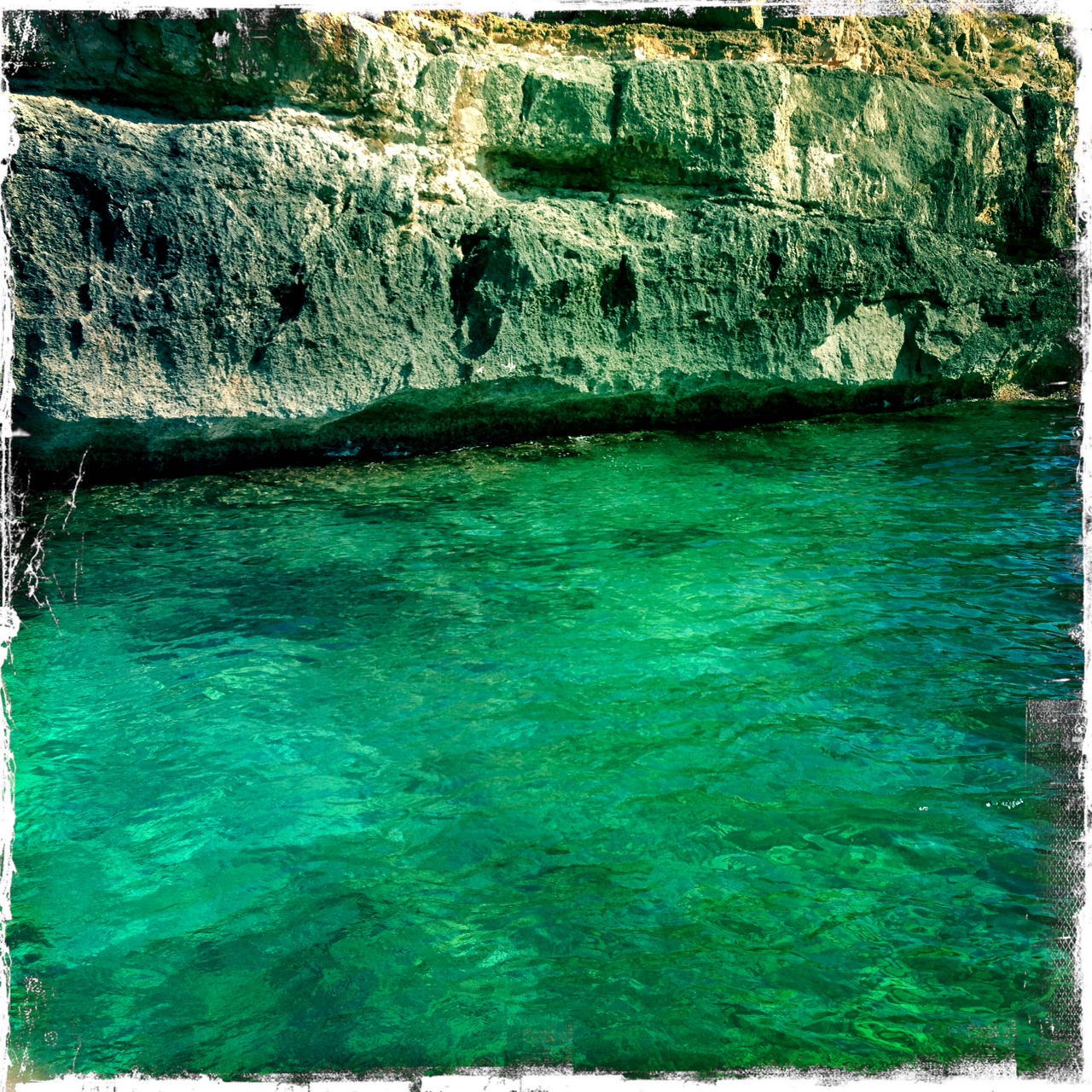
The chiringuitos along Cala Deïà, the village's small pebble beach, are the daily rhythm of summer here. You scramble down to the water, eat extremely fresh fish, drink local wine, watch the light change on the cliff face. There is one moment in late afternoon when the rock face turns ochre and the sea turns green and the whole composition looks like something that should be in a museum and instead is just Tuesday. This is what Deïà offers that Ibiza cannot: the unperformed version of a beautiful life.
Population 850. No beach clubs, no scene, no moment of being seen. Absolute quiet, extraordinary food, the best light in the Mediterranean. Creatives come to work. Celebrities come to disappear. The village absorbs both without changing for either.
Ibiza is about being present. It is beautiful and it is fun and it requires your participation in its spectacle. Deïà requires nothing of you except that you arrive and let the landscape do what it does. They are different experiences for different states of mind.
Portofino is perfectly self-conscious. It knows it is Portofino. Deïà does not have that quality: it is too small, too rooted in its own history, too genuinely inhabited to perform. The stone houses have been there since the Moors. The olive trees are older than tourism.
An independent platform dedicated to artists, musicians, photographers, designers, and thinkers at every stage. Every interview is selected for depth, not reach.
✦ Explore all our interviews →"The conversations that shape culture rarely happen in the places you're told to look."
More travel writing and personal essays from Leila Antakly on Substack.
Read on Substack ↗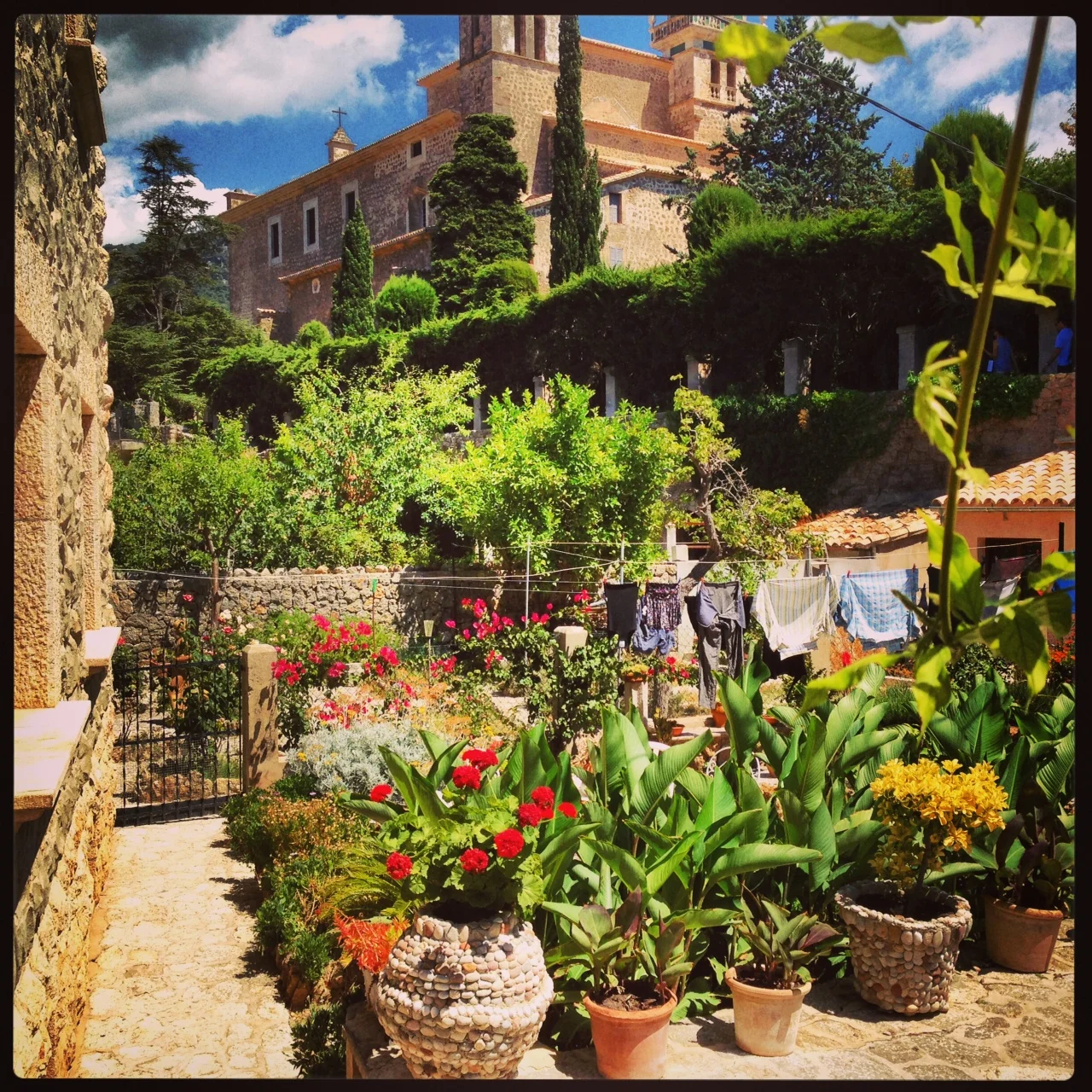




Photos by me Leila Antakly