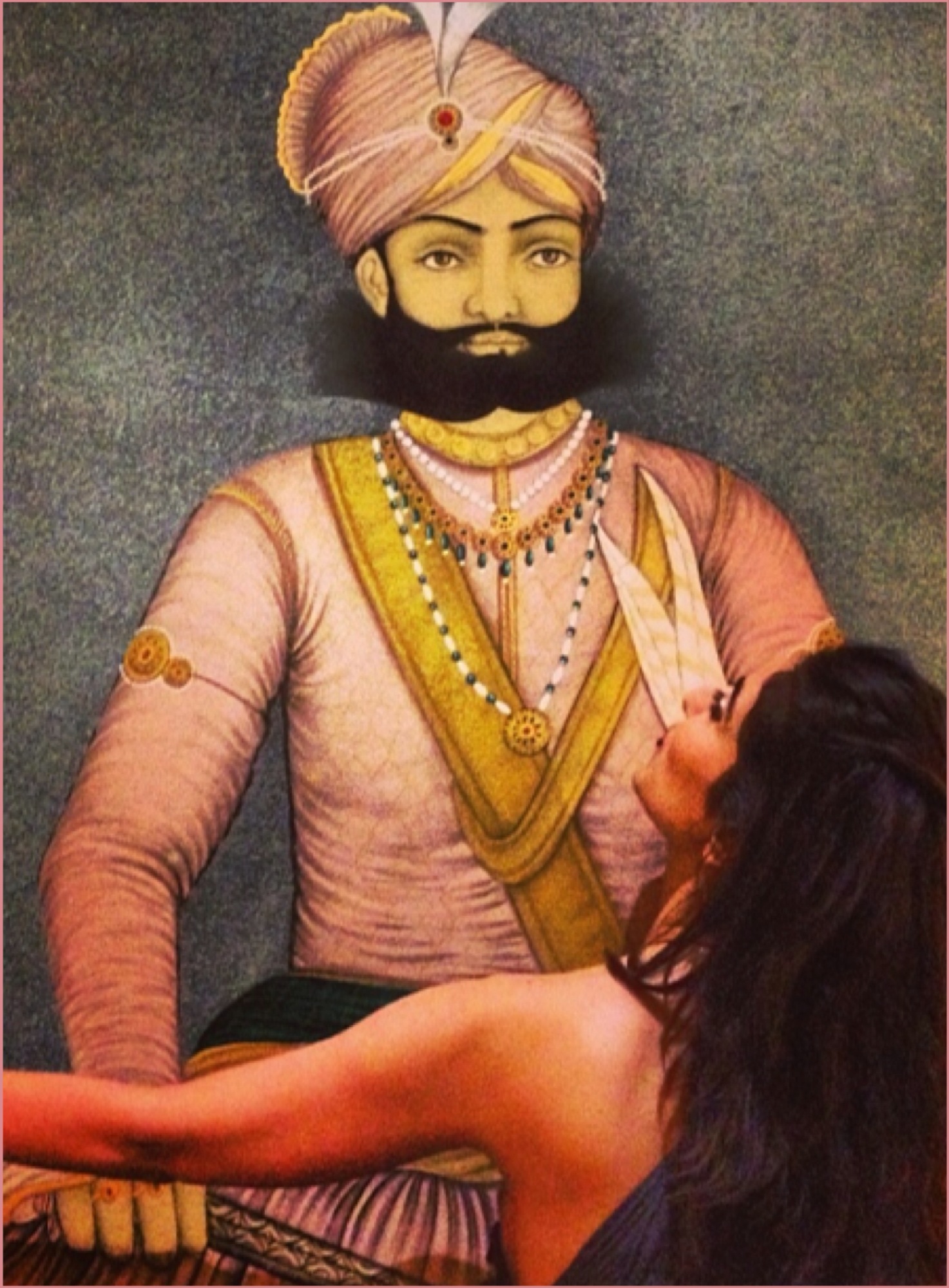
THE BLUE CITY JODPHUR
Jodhpur
Red turbans against indigo walls. A 300-year-old stepwell, a 15th-century fort, a creamy Makhaniya lassi, and monkeys I was not as good with as I thought. A travel diary from the Blue City.

Photo: Steve McCurry · Jodhpur
"If you have ever longed for a place where history, colour and culture collide without asking permission from one another, Jodhpur awaits."
I came to Jodhpur for a friend's wedding, which is, I think, the best possible reason to arrive anywhere. A wedding forces you into the heart of a city rather than its edges: you meet the people who actually live there, you eat the food that is not on the tourist menu, you see things that do not appear in the guidebook. Jodhpur rewarded that kind of arrival. The Blue City is not a metaphor. It is literally blue: indigo-washed walls that turn the alleyways into corridors of colour so vivid and so consistent that the eye does not quite believe it. Walking through them feels like being inside a painting that has not dried yet.
The blue has a practical history. Traditionally the colour of Brahmin homes, used to repel insects in the heat, it spread across the whole city until the paint itself became the identity. Jodhpur dates to 1459 AD, founded by Rao Jodha of the Rathore clan on the site of the ancient capital Mandore, and the blue has been accumulating ever since. The Mehrangarh Fort towers above all of it: a 15th-century fortress that is among the largest in India, its courtyards and intricate palaces offering views over the blue maze below that take several minutes to fully absorb. You keep looking. The city keeps surprising you with its own colour.
"I spent hours chatting with local artists, learning about their enduring crafts from hand-block printing to miniature paintings. Their passion for preserving tradition amidst modernity was genuinely inspiring."
Leila Antakly · JodhpurA highlight was stumbling upon a 300-year-old stepwell, its intricate carvings whispering stories of the past. The restored Toorji Ka Jhalra in the heart of the city is an architectural oasis and a popular gathering spot where the geometry of the stone and the depth of the well create something that is both ancient and completely alive. And of course no visit is complete without the Makhaniya lassi: sweet, creamy, thick enough to require a spoon, and a very good reason to sit down for twenty minutes and watch the city happen around you.
The shopping deserves its own section. Maharani Textiles and Handicrafts is a century-old business supplying some of the world's most well-known luxury brands, and the store itself is an overwhelming experience in the best sense: there is simply a lot to see, and all of it is worth seeing. Gems and Art Plaza had a wide variety of styles and celebrity clientele, with workshops in the same building for alterations and refitting. The craftsmanship in both places was the kind that makes you rethink every synthetic thing you own.
One of India's largest forts, towering over the city. Courtyards, intricate palaces, museums, and panoramic views of the blue maze below. Allow several hours.
The Taj Mahal of Marwar. A dazzling intricately carved white-marble cenotaph sitting peacefully near the fort, overlooking a small lake. Quieter than it deserves to be.
A beautifully restored stepwell in the heart of the city. An architectural oasis and a popular gathering spot. The geometry of the stone alone is worth the detour.
The Pearl Hall where royal families held audience. Glass windows and five nooks that allowed the queens to listen to proceedings unseen. History that feels genuinely intimate.
A century-old family business supplying the world's major luxury brands. Overwhelming in the best possible way. maharanishopping.com
Sweet, creamy, thick enough to require a spoon. No visit is complete without one. Sit down with it and let the city happen around you for twenty minutes.
To my great surprise, I am not the monkey whisperer I once thought I was. Jodhpur's monkeys blend seamlessly with the Blue City's stunning architecture and are best experienced roaming the ancient cenotaphs and temples at Mandore Gardens. Beware of those fast little beasts.
From the paddy fields of North Goa to Siolim House: another India, another mood entirely.
The volcanic island that fashion found before tourism did. A travel essay about discovering a place before it discovers itself.
An independent platform dedicated to artists, musicians, photographers, designers, and thinkers at every stage. Every interview is selected for depth, not reach.
✦ Explore all our travel essays →"Sharing these snapshots from my journey feels like sharing pieces of a dream."
More travel writing and personal essays from Leila Antakly on Substack.
Read on Substack ↗
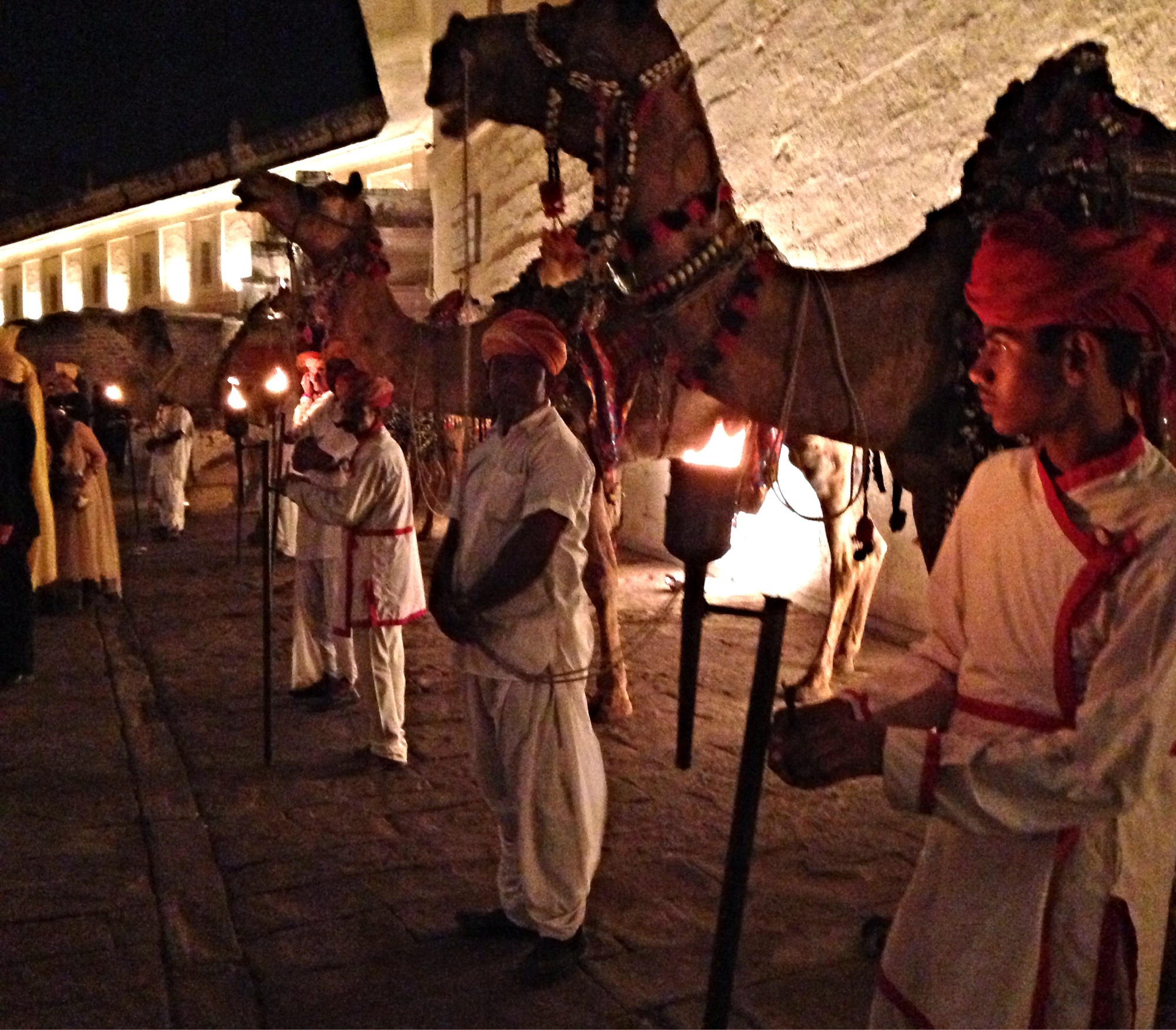

Fort Jodphur

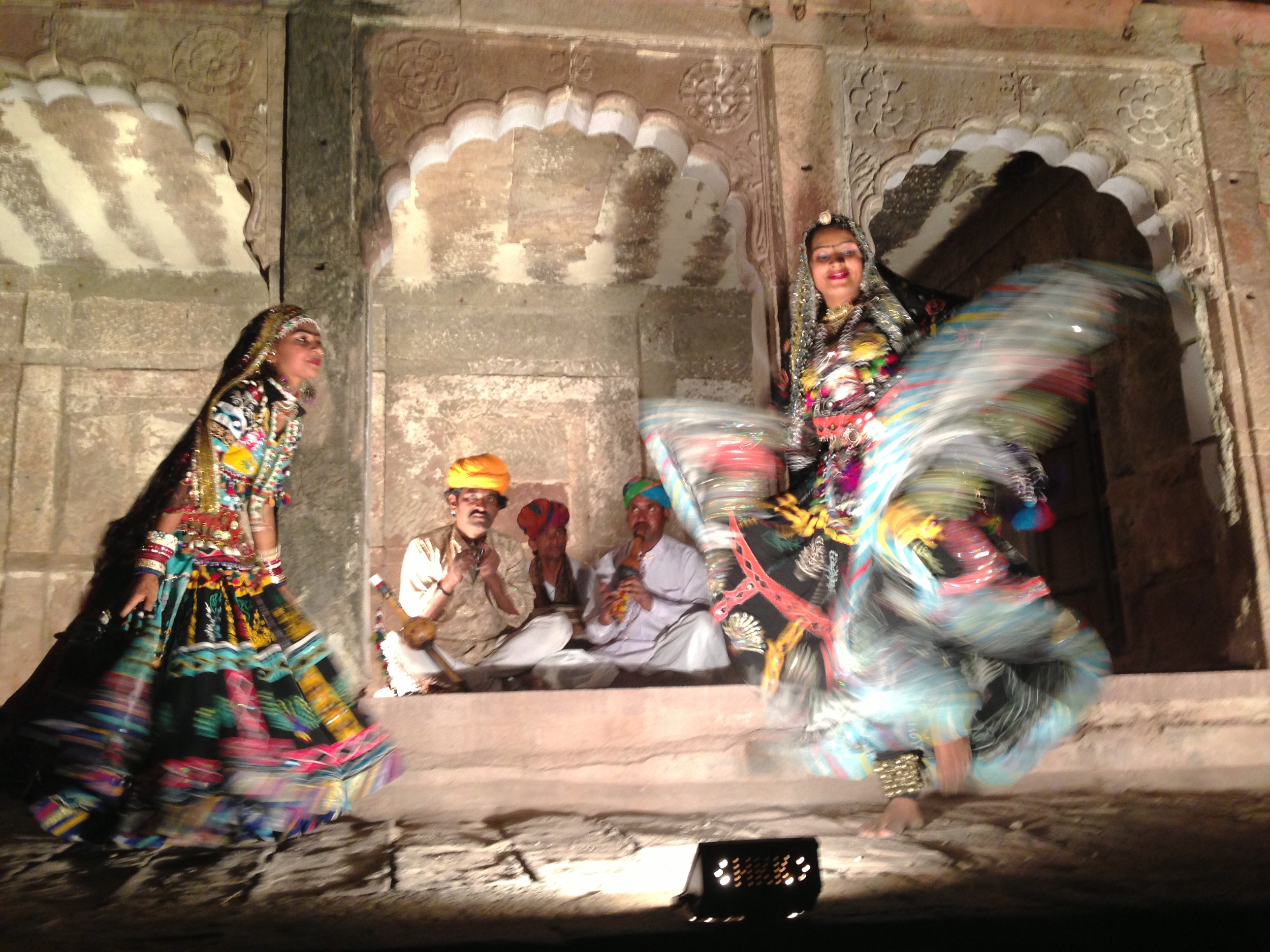


Jodhpur