Everything Is Political: A Conversation with Charlie Goldensohn
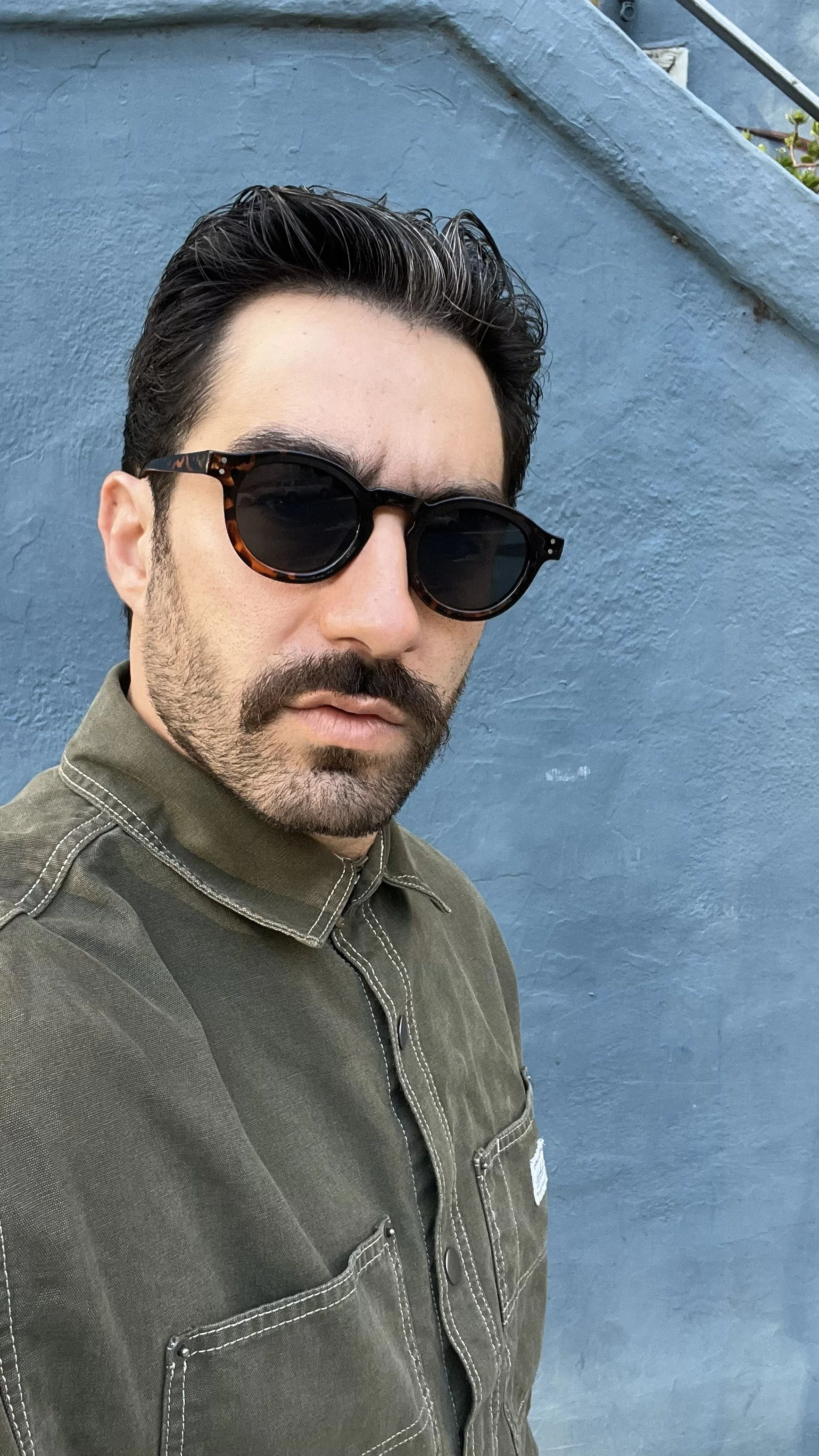
Charlie Goldensohn, better known as @ChezChuck on social media, sits at the collision point of politics, social impact, and media. He's shaped narratives from winning presidential campaigns to some of the biggest brands in the country. From managing campaigns to advising changemakers like José Andrés, the founder of World Central Kitchen, his work has always stayed rooted in impact.
A trusted advisor to Democratic politicians, philanthropists, and celebrities, Charlie has worked closely with leaders to refine messaging and tell stories. He turns big ideas into moments that matter. But after years working at the highest levels of Democratic politics, from the White House to national organizations focused on abortion rights and voting access, he found himself at a breaking point. The 2024 election wasn't just a political loss; it was a catalyst that forced him to rethink how progressives communicate, who they're reaching, how they’re reaching them, and whether the traditional machinery of Democratic messaging was fundamentally broken.
So he did something radical: In just a couple of months, Charlie built an audience of 200,000+ followers on Instagram and TikTok by doing something deceptively simple, talking to men the way men actually talk. Running on beaches, discussing food and sports, calling out hypocrisy with the kind of bluntness that makes consultants nervous. His videos, some hitting five million views, cut through the polished veneer of political messaging to ask questions about masculinity and why the left keeps losing men to the right.
Based in New York's Lower East Side after some time in in Los Angeles, Washington DC, and San Francisco, Charlie grapples with the same tensions that define this political moment: How do you build a following that includes sports bros and anti-genocide activists without losing your mind?
Growing up in San Francisco's Mission District, politics wasn't optional in your household. How did that shape the kind of politics you practice now?
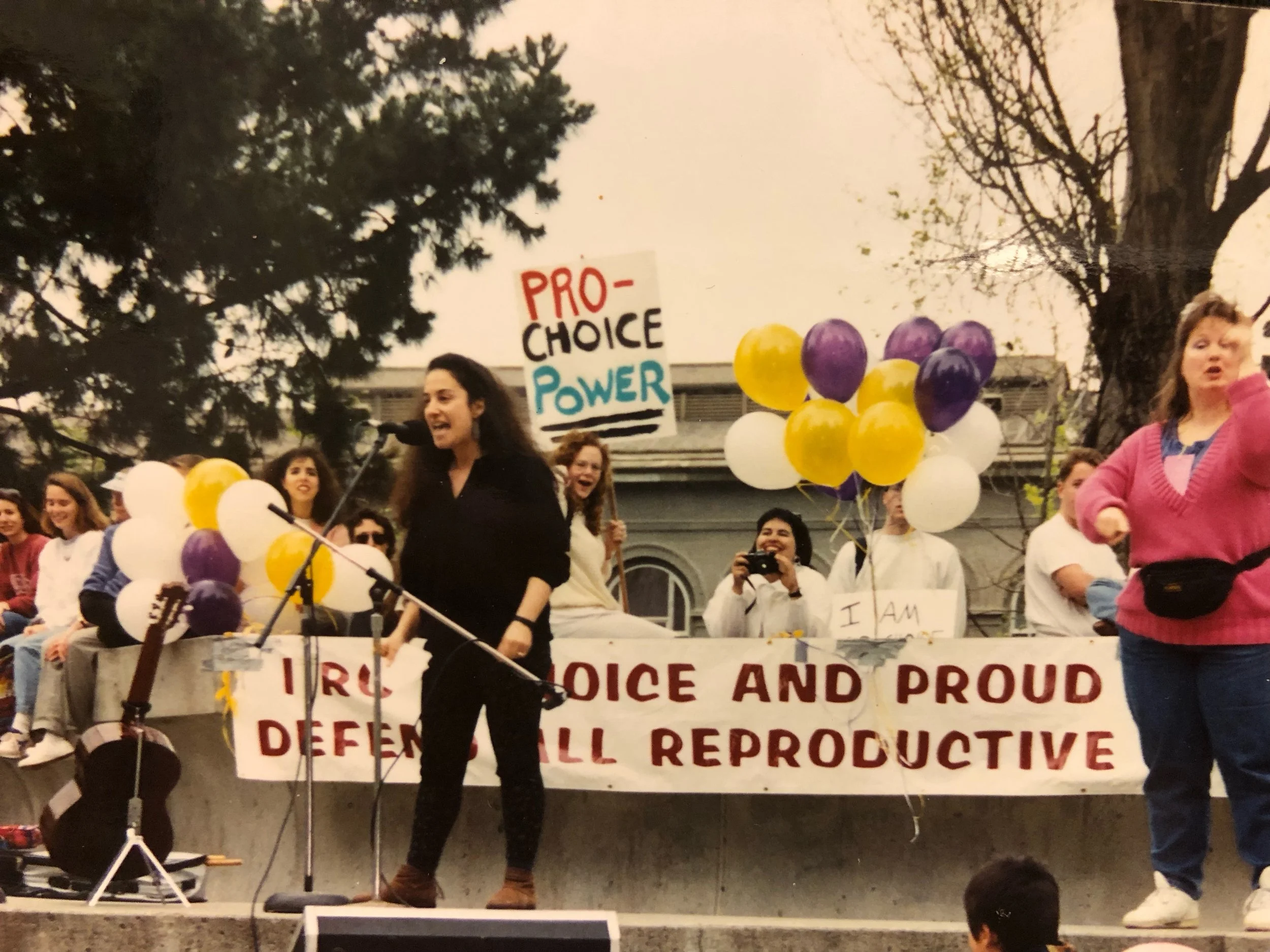
Everything was political growing up. My dad's an activist and educator, my mom ran a Planned Parenthood, politics was the language we spoke at home. That foundation gave me this understanding that there's no separating your daily life from the political. You can't just clock in and clock out of giving a shit about the world.
I grew up middle class in the Mission, surrounded by my parents’ community of artists, thinkers, educators, activists. That community taught me that creativity and politics aren't separate things, they're the same force. Whether it was artists mobilizing against the Vietnam War or Afghanistan or Iraq, it's always been creativity driving movements forward. This is the foundation of doing what I do and being who I am.
You worked on Biden's first campaign, but when Biden’s team asked you back for Round 2, you initially said no, because of Gaza. Walk me through that decision.
It was a psychological switch, a moral quandary. I'd spent a lot of my career in establishment Democratic politics, always a leftie but working within the system. Gaza changed something fundamental for me. I couldn't just show up and do the work without that weighing on me.
Once Biden dropped out and Kamala stepped in, I felt like I gave my permission to jump back in– it became this "all hands on deck" moment in the last month of the campaign. This was actually super similar to my process leading up to the 2020 election. The Bidens offered me a job during the Primary, but I turned it down because I was supporting Bernie Sanders. Once Bernie lost and Biden won the primary, they came back to me. At that point, in my mind, it was all hands on deck to beat a fascist, so I said yes and moved to Delaware.
For Kamala, I dove back in as an advisor and executive producer for paid media. I literally moved back to Delaware (again), sleeping on a mattress on the floor, back in the machine again working on major TV spots. And the whole time, from a messaging perspective, I viewed a lot of the decision-making as terrible.
After we lost, I was furious. Pulling my hair out. My entire career has been about messaging and storytelling, even taking wonky policy and figuring out how to get those ideas out there in creative, engaging ways to voters who aren't searching for it.
That fury turned into content creation. What was the moment you realized you needed to start making these videos yourself?
After the Kamala loss, I kept having the same conversation: Democrats are losing men, mainly white men. Everyone's talking about needing a "Joe Rogan of the left” and just completely misdiagnosing the problems. I'm yelling into my phone out of pure frustration. I've worked with brands, celebrities, politicians, built a career knowing how to do this strategically. Find messengers who are authentic to the audience you're trying to reach.
I kept thinking: dudes talking to dudes. Sporty guys who drink beer and aren't conceited about politics. So I started filming myself. If I'm struggling to find others who can do this, let me try it myself and see what happens. It blew up. Tens of millions of views on TikTok, then Instagram. Two hundred thousand followers on Instagram in four months. Turns out people respond to authenticity and self-awareness.
You've had several videos go viral, the one about food and immigration hit five million views. What have you learned about what resonates?
There was this steady evolution. A couple of videos really took off and taught me things. One was me running on the beach on TikTok, delivering a message to MAGA dudes, telling them they’re not getting laid because they're fascists. That did millions of views.
The food video was huge on Instagram. The message was simple: you can't complain about immigrants and then eat at a taqueria. You can't benefit from a culture you claim to hate. Five million views. Some people were infuriated but they understood what I was saying.
You've called some politicians "creepy little losers" and talked about MAGA supporters as "losers, dorks, kids who can't get laid." Some people would say that's counterproductive, what's your response?
Look, shame can be a mover for certain demographics of folks if done correctly and used by the right messenger. You have to rock the foundation a little bit. But it can't be your only thing. I try to balance the negative with poking fun while also talking directly to men who might be slowly sliding down that rabbit hole, the lonely ones looking for community.
I don't think we should dumb it down when talking to young men. They're not stupid. But calling the people who they look up to, who are trying to court their vote, "losers" and "creeps"? Yeah, I do that. Because sometimes the truth is that the most dangerous people on the internet and in politics working 24/7 to appeal to struggling young men are, in fact, complete losers and creeps.
I'm not going to stop being blunt about what I see.
After spending years at the highest levels of Democratic politics, what do you think the party fundamentally doesn't understand about messaging?
We've had a thousand meetings asking "why are we losing white men?" but we're not actually doing anything different. The party is scared to take risks, scared to sound authentic, scared to let people who actually sound like regular voters be the messengers.
We keep polishing everything until it sounds like a press release. Nobody talks like that. Nobody connects with that. Meanwhile, the right has been investing in and building in their digital ecosystems for years that are made up of people who sound relatable, who meet people where they are, who aren't afraid to be messy or controversial.
I've built confidence to just say what I think. That's what people respond to. Not the tenth version of a message that's been focus-grouped to death.
Let's talk about self-care, because political work, especially at the level you've done it, is exhausting. How do you decompress?
You can't feel guilty for feeling joy. You're allowed to take a break. You're allowed to do whatever you want, the world is not going to end because you took an afternoon off.
I love to exercise. Gym, long runs. I need to move and sweat regularly. Getting into that physical state is therapeutic for me. And food, cooking and eating is huge. Living in the Lower East Side, I have access to some of the most phenomenal food in the country, and a lot of it is affordable. That's a gift. (I also like to have a beer or a whiskey, or two, or six.)
I like solitude, too. I'm very social, but I like to decompress with solo meals out and about. I'll wander the city by myself. Mental health walks through Jackson Heights. Just being in the chaos of New York, the overwhelming array of culture and diversity and food, that's where I'm happy. Cities are my happy place.
Give us your New York food spots. Where should people eat?
Pho Bang for pho in Manhattan. Zabar's is a classic. Shu Jiao Fu Zhou is this hole-in-the-wall in Chinatown, get the peanut butter wheat noodles and then cover them in vinegar and their homemade chili oil.
So, an interesting fact I just learned about you. You're deep in the techno scene. How does dance music intersect with your politics?
Techno is inherently political to me. There's this freedom and lack of judgment and openness to others that you find on a warehouse dance floor that feels like what we should be building politically. It's about community without pretense. I love thinking about how you integrate techno into political organizing. How do you bring people into this kind of music while maintaining the essence of what makes these parties special? What could that look like without ruining the vibe of what people are searching for?
You keep coming back to creativity as the driving force of political change. With AI and the internet transforming what we think of as art and creativity, how are you thinking about that evolution?
There are endless discussions right now about what is art, what is creativity, how AI changes things. And that's a different discussion. But what remains true is that the things making and moving people the most are creative expressions of ideas and emotions.
Creativity is the force that cuts through all the noise. Any artist who pursues a creative endeavor has to know that not only is everything political, but art has the strength to move politics in ways that white papers and polling data never will. We have these tools now that democratize not just how people share information, but how they create. That's powerful.
What's one last thought?
I want to keep reminding people that creativity is at the core of all of this. And by this, I mean everything. If we lose that, if we become just another set of talking points and fundraising emails, we've already lost. The force that moves people politically is the same force that makes great art: it's authentic, it's willing to take risks, and it doesn't apologize for having something to say.
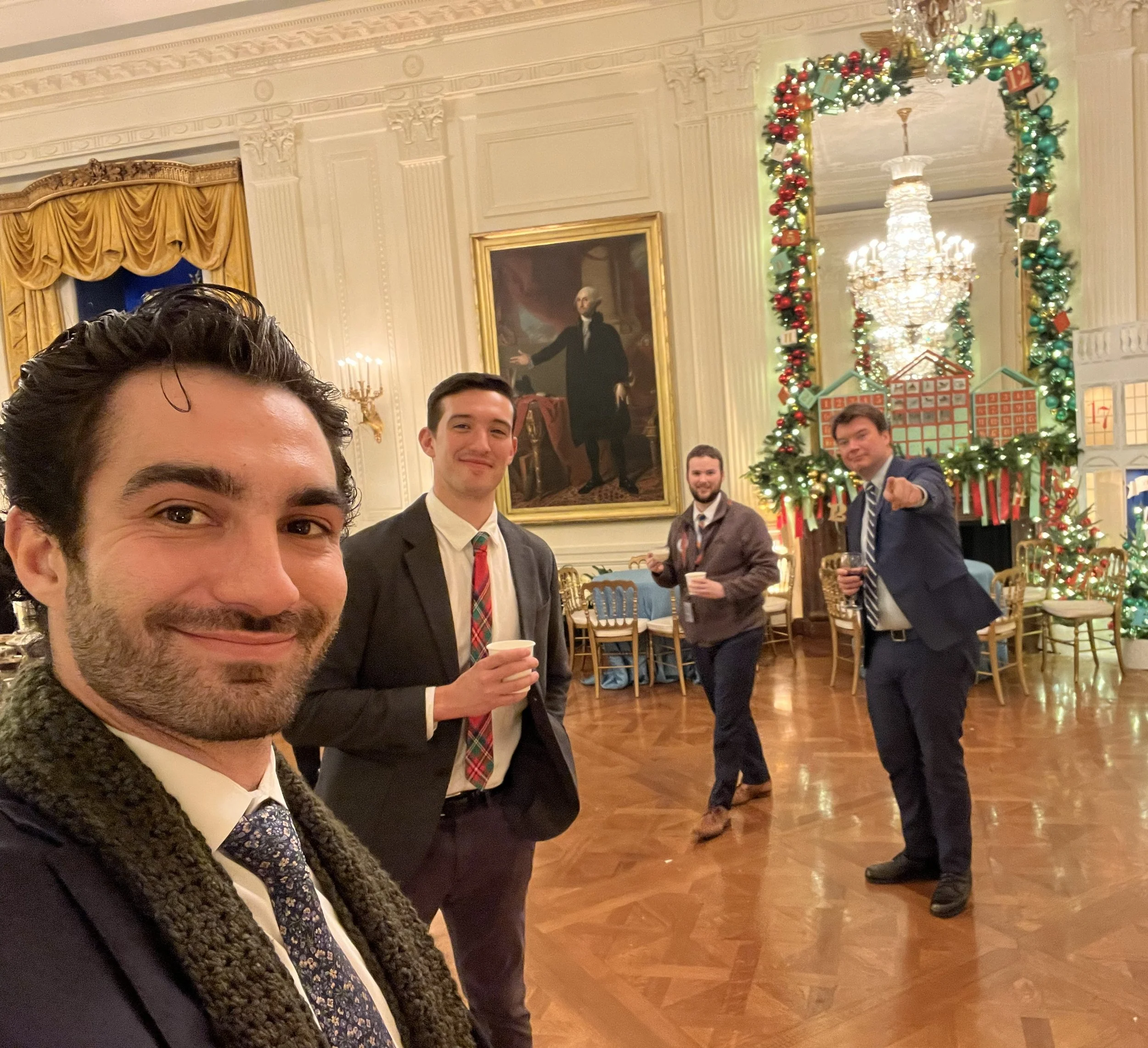
White House Christmas Party in 2023
Charlie G. (@ChezChuck) is a political strategist, content creator, and advocate/foodie based in New York City. Follow him on Instagram and TikTok @ChezChuck.
Interview by Leila Antakly