ARCHITECT ARTIST AND PROCESS DESIGNER OSKAR ZIETA
Oskar
Zieta
We are extremely honoured and excited to have Oskar Zieta on our platform today. An artist fascinated with the formal properties of metals, which he transforms into sculptures that play with the senses, often intimidate with their scale, and cross the border between what is possible and what is only imagined.
His designs go beyond our understanding of form and contribute to the shapes of the future. Working with a patented method of metal forming called FiDU, Zieta gives endless possibilities to material manipulation while preserving its authenticity and craft. His work is held in the collections of MoMA, the Vitra Design Museum, and Centre Pompidou. He has won the Red Dot Design Award and the Audi Mentor Award. His latest creation, the Kraken, is a giant steel squid.
Two wafer-thin flat sheets of steel are laser-cut to exact specifications.
The sheets are welded together at their perimeter, creating a sealed flat form.
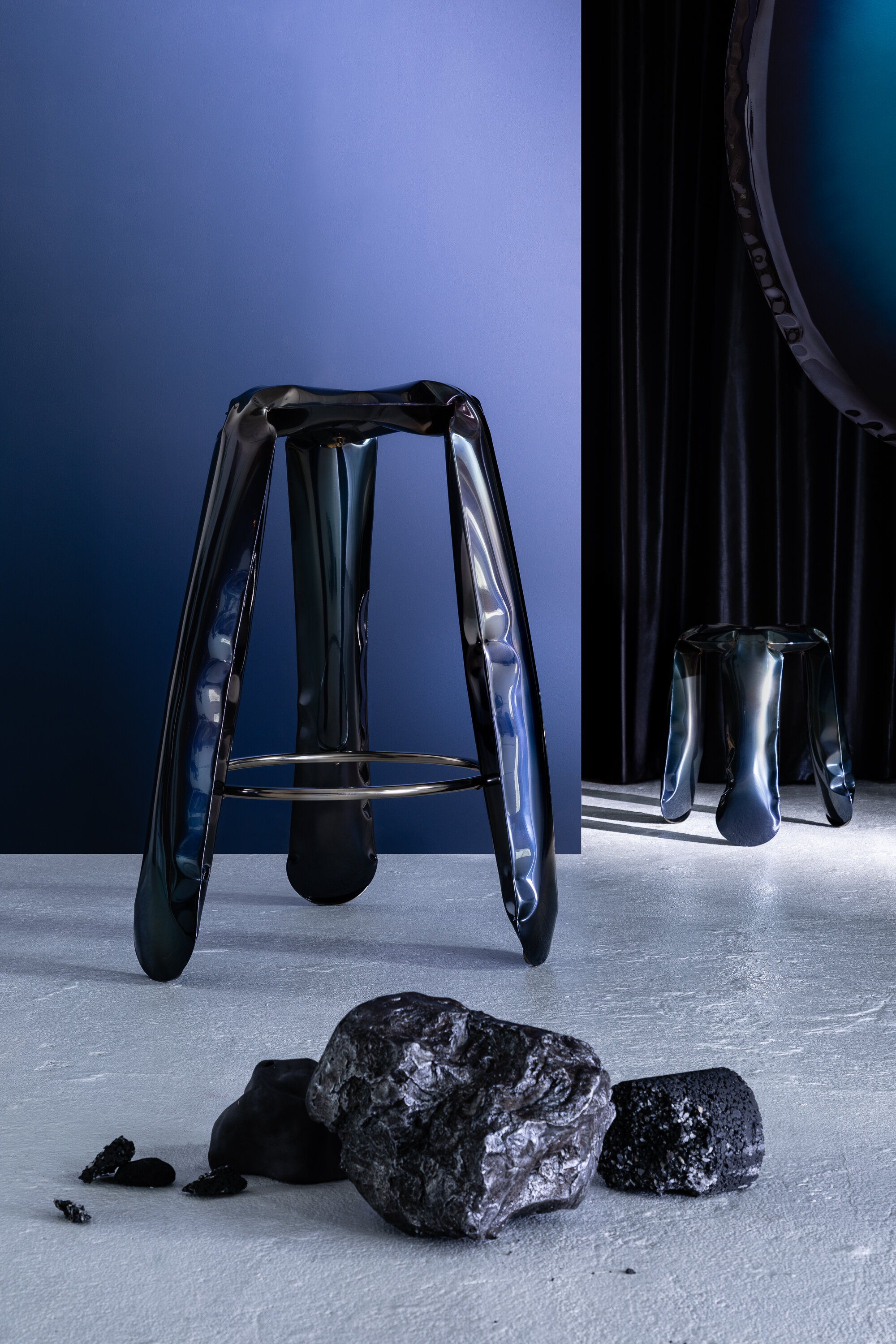
Air pressure is applied to the interior. The metal expands and takes its three-dimensional form.
The material makes its own formal decisions within parameters set by the artist. A controlled loss of control.
The result is a unique object. The process cannot produce two identical pieces. Every form is singular.
Oskar Zieta
"In my designs, I love discovering the endless opportunities of shapes and surface qualities of steel, aluminium, and copper. I let the material itself adjust its shape freely in what I call a controlled loss of control."
Zieta developed the FiDU process during his studies at the Swiss Federal Institute of Technology in Zurich. The process begins with two flat sheets. It ends with a form that neither the artist nor any algorithm could have fully predicted. The material itself is a collaborator, and Zieta has spent decades learning to listen to what it is trying to become.
What makes Zieta's practice philosophically interesting, beyond its considerable visual impact, is the relationship it establishes between precision and surrender. He designs the parameters — the shape of the cut, the position of the weld, the pressure applied — but the final three-dimensional form emerges from the material's own physical logic. This is not chance. It is something more interesting than chance: it is trust in a process that is deeper than intention.
What are your greatest inspirations or influences?
The source of endless inspiration is for me the material itself. I work with metal and what stimulates me creatively is the process of discovering its formal and technological properties. I love experimenting with metal to the point where I leave it the space to transform according to its own rules.
"I always start with the consciousness of the material's physical and aesthetic possibilities. I've been working with steel for so long now that I can somehow feel how it will behave during the process of forming it."
Tell us about your creative process when it comes to design.
I always start with the consciousness of the material's physical and aesthetic possibilities. I've been working with steel and other metals for so long now that I can somehow feel how it will behave during the process of forming it. And I instinctively invent ideas that are within the reach of the technology I work with, FiDU. In the creative and making-of process, I let the material itself adjust its shape freely in what I call a controlled loss of control. In my designs, I love discovering the endless opportunities of shapes and surface qualities of steel, aluminium, and copper.
How has slowing down changed your practice?
I have discovered that slowing down a bit can be refreshing. As a studio, we managed to focus on exhibiting and promoting our objects during many shows: Design China, thanks to our partner Gallery All. We organised three shows in Poland: first in the Royal Palace in Wroclaw, then in Cracow, and the latest in Gdansk. What hasn't changed is my enthusiasm and passion to pursue new challenges. With my team, we constantly prove that you can always operate outside the comfort zone, out of the box. During the pandemic, we coped precisely because we have always acted this way.
How has the pandemic changed how we think about home design?
The crucial change in our approach to home spaces was determined by the way we have worked during the pandemic. A common need for a neat home office organised within the private realm totally transformed our thinking about how to arrange interiors. The fact we communicated with the outside world mostly online made it necessary to hide the private part of our lives from the reach of the computer's camera. This process of merging the personal and the public, the home and the office, is something I consider really interesting and I think it will influence the way we think about home design for a long time.
What advice would you give to beginning artists who want to create sculptural design works?
Sculptures are the essence of stabilisation. If not for the early human body studies by Michelangelo, among others, we might not deliver a perfectly crafted impression of sculptured selves. Material studies are the core issue. Later you go through experimentation, research, and constant contact with your creative self. Create and never be afraid of failures.
Which designers have influenced you?
I was fascinated by the creations of French architect and designer Jean Prouve. I analysed his work more than 20 years ago and his way of thinking inspired me. I asked myself: what would a world of his metal structures look like if he could use the current potential of new technologies? That question has never really stopped driving me.
If your works had to belong to a design movement, how would you define it?
Design is a point on the matrix of creation that I touch, but it is not set by a definition. For me, it is a prism of interdisciplinarity: art, bionics, and technology.
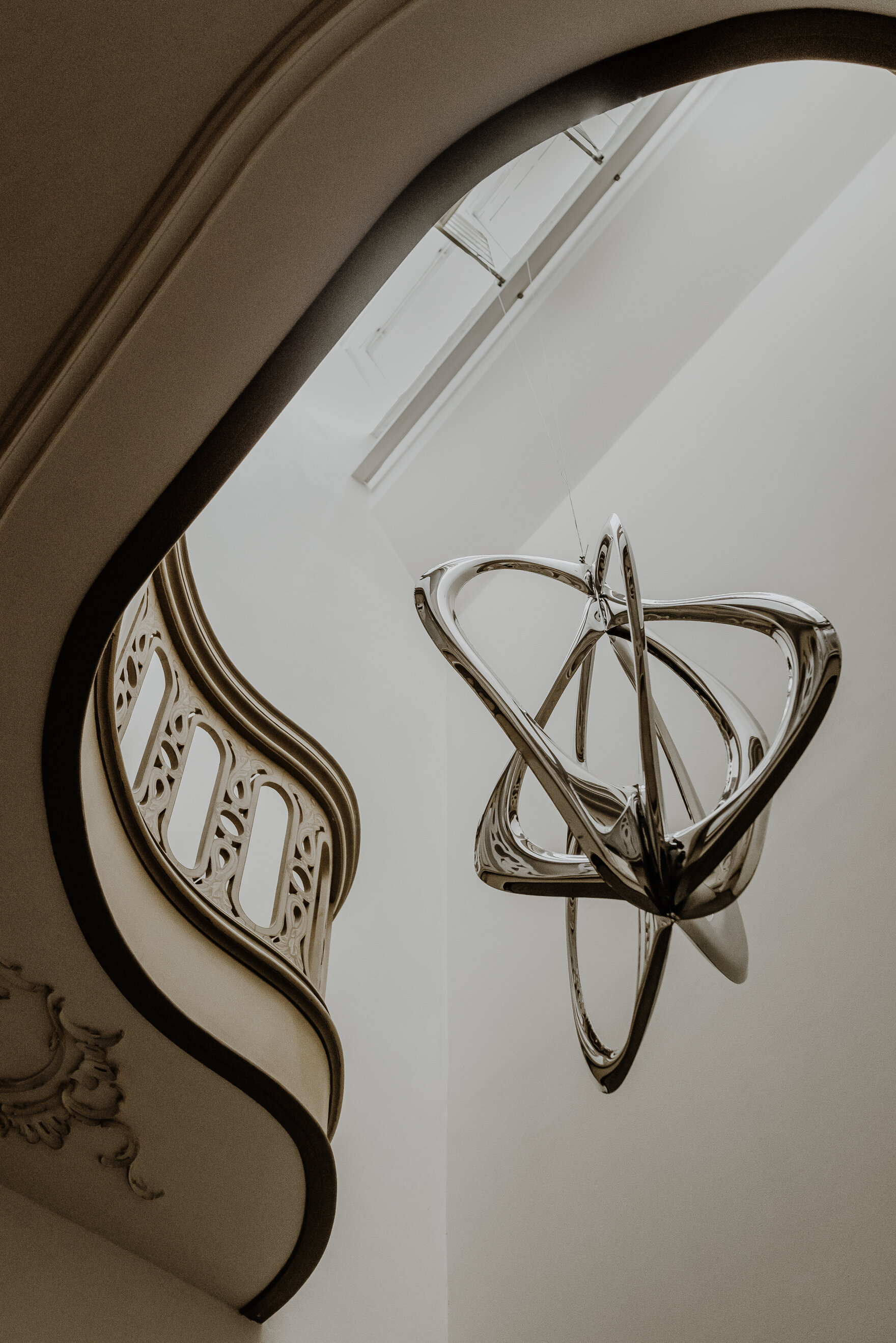
A giant steel squid. Part of the In the Depth of Reflection exhibition at the Gdansk Museum, Poland. The largest and most ambitious single work in Zieta's practice to date. The squid form, with its radial symmetry and tentacular complexity, is a natural subject for FiDU: the inflation process creates the organic swelling of each form.
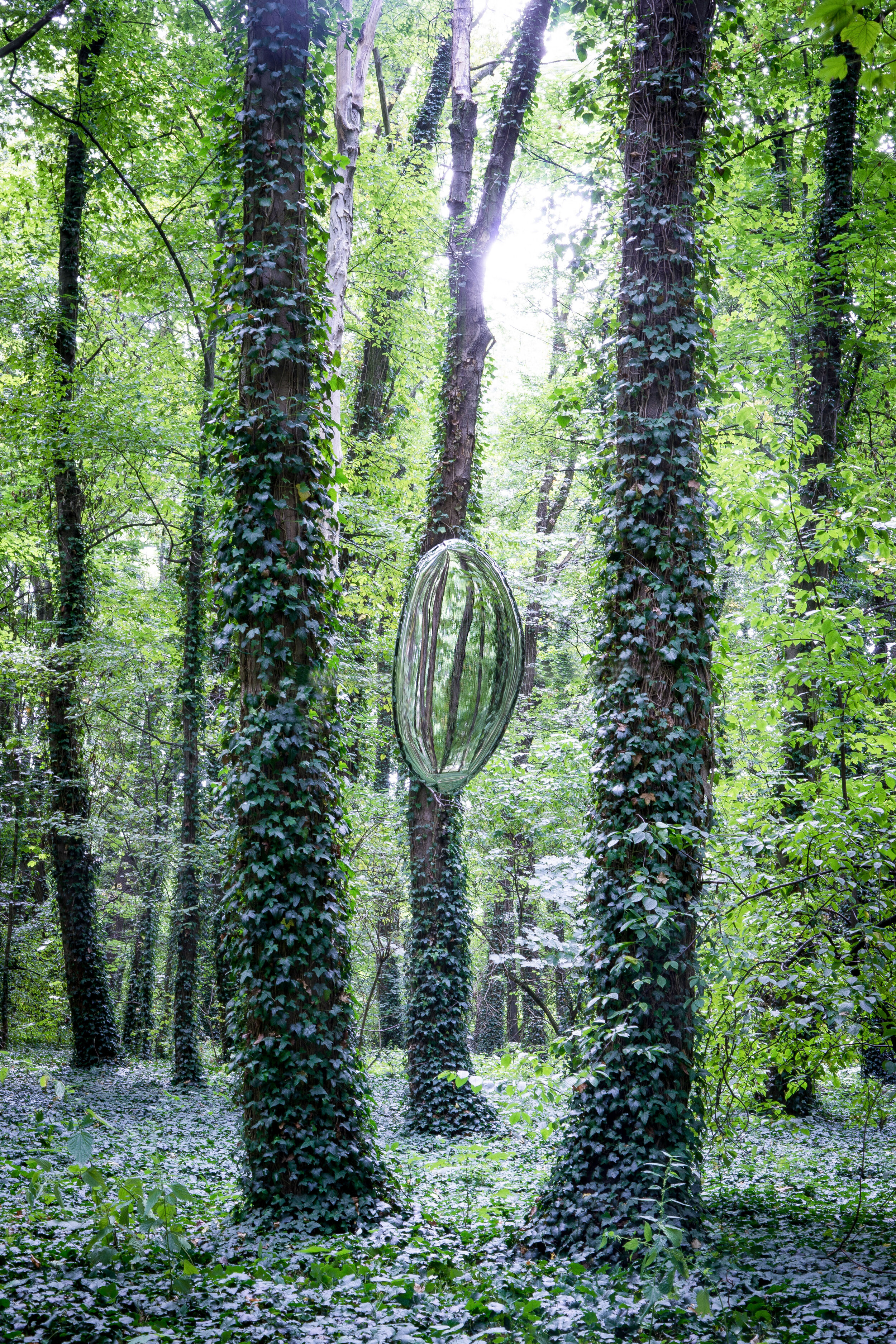
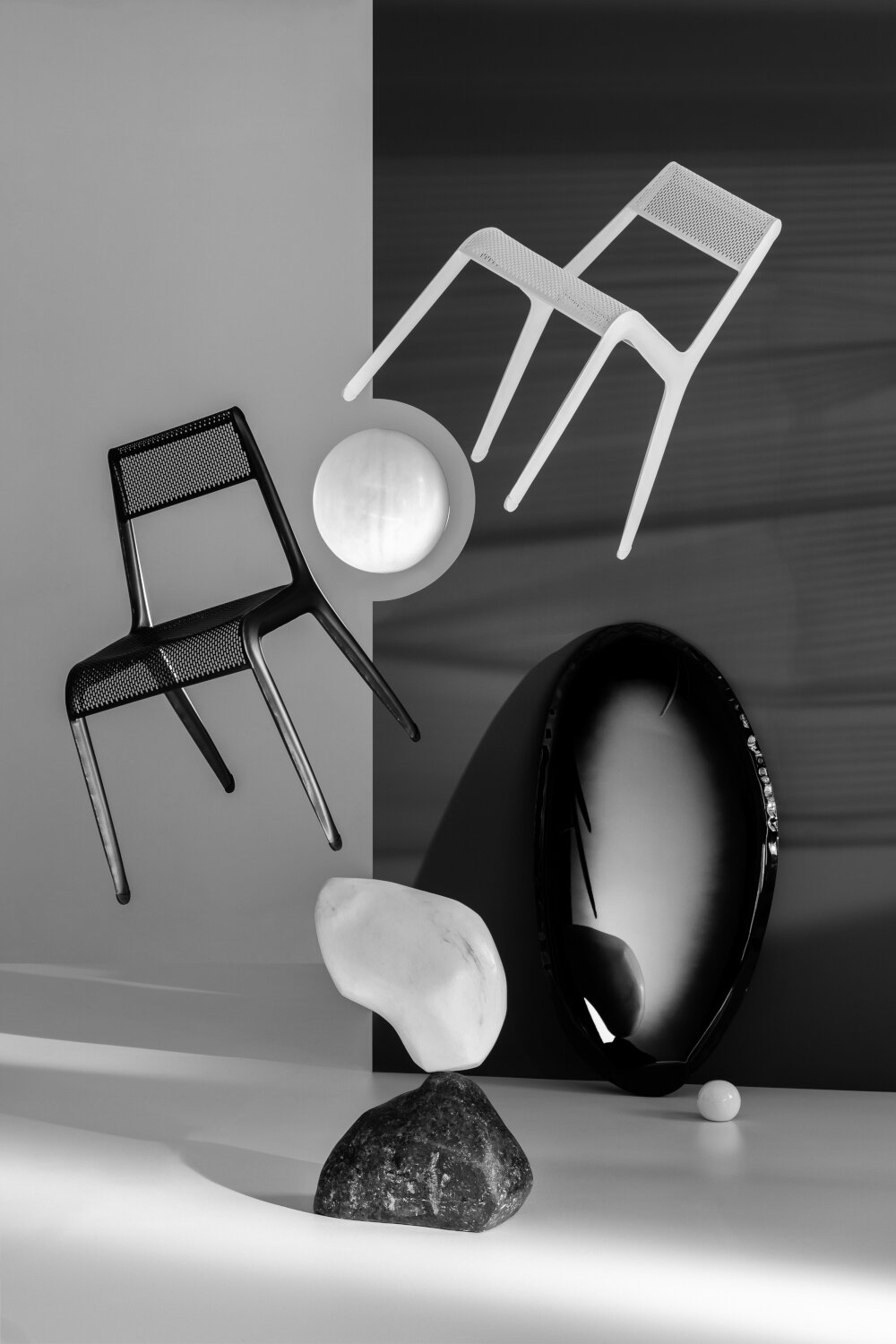
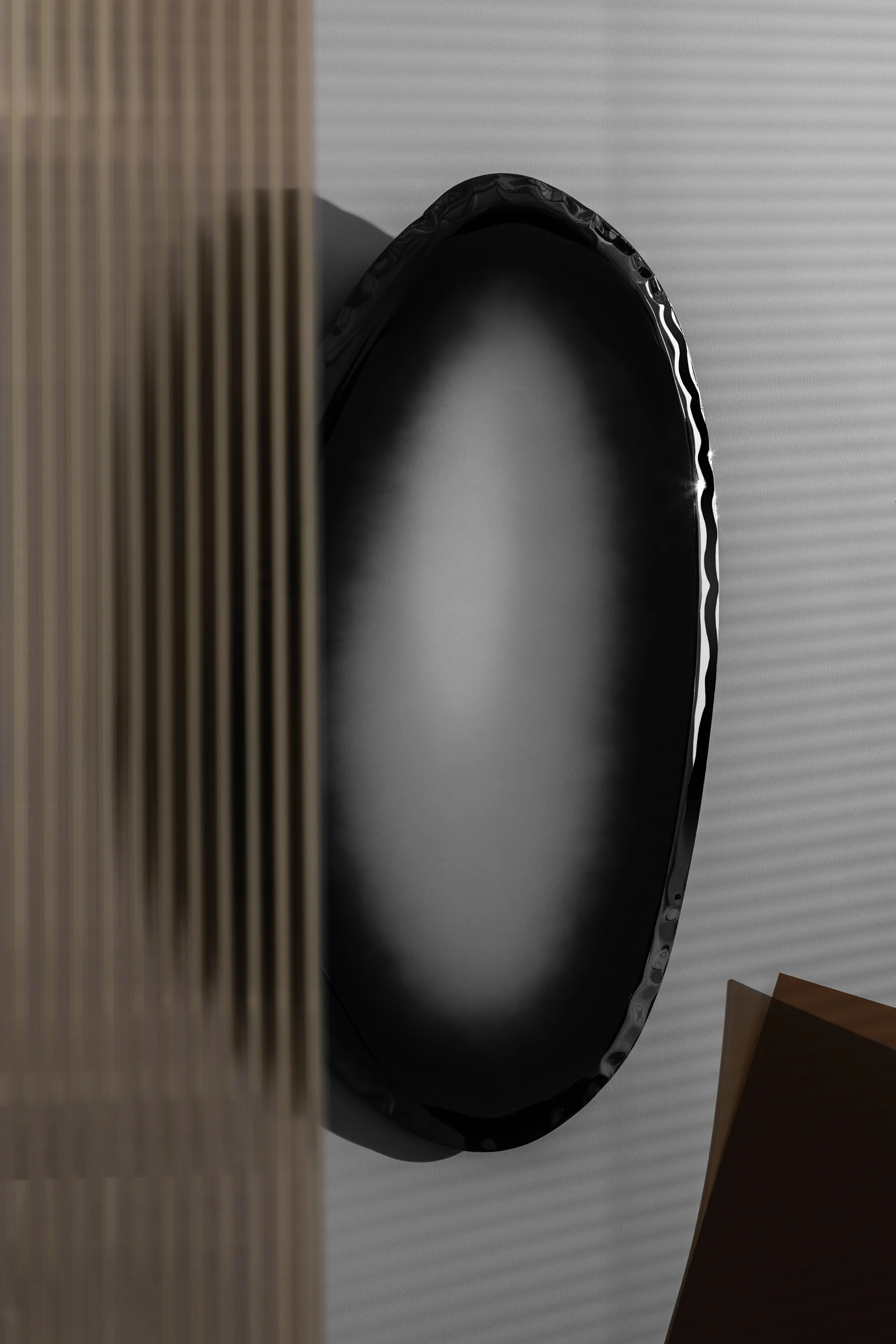
Organically growing works of art that transform any room. Depending on where you stand, TAFLA reflects differently, every step revealing a new dimension. Each mirror is unique, the FiDU process ensuring no two surfaces are identical. A collaboration with James Jean produced a one-of-a-kind TAFLA O3 with Jean's delicate engraving entwining the subtle folds of its edges.
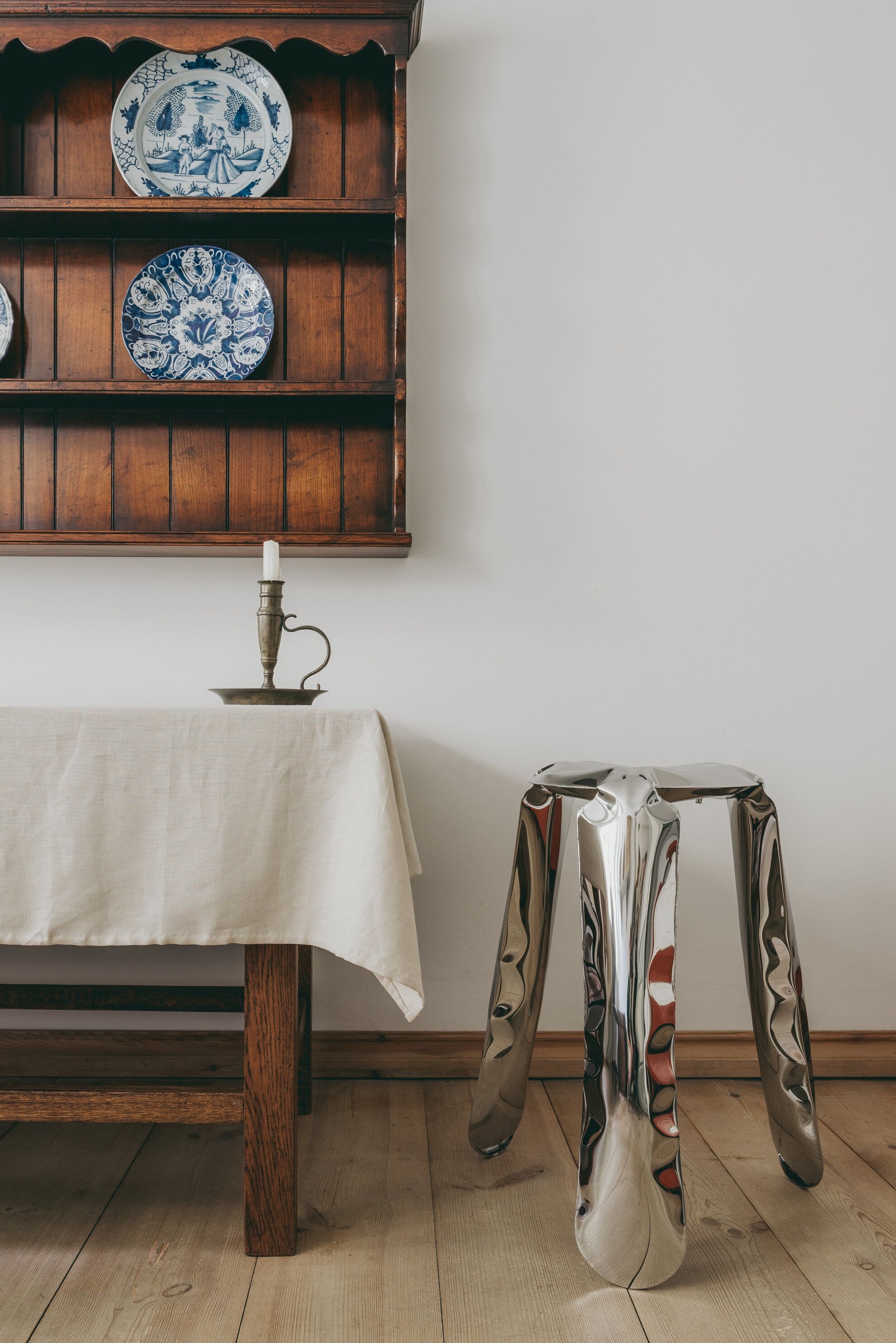
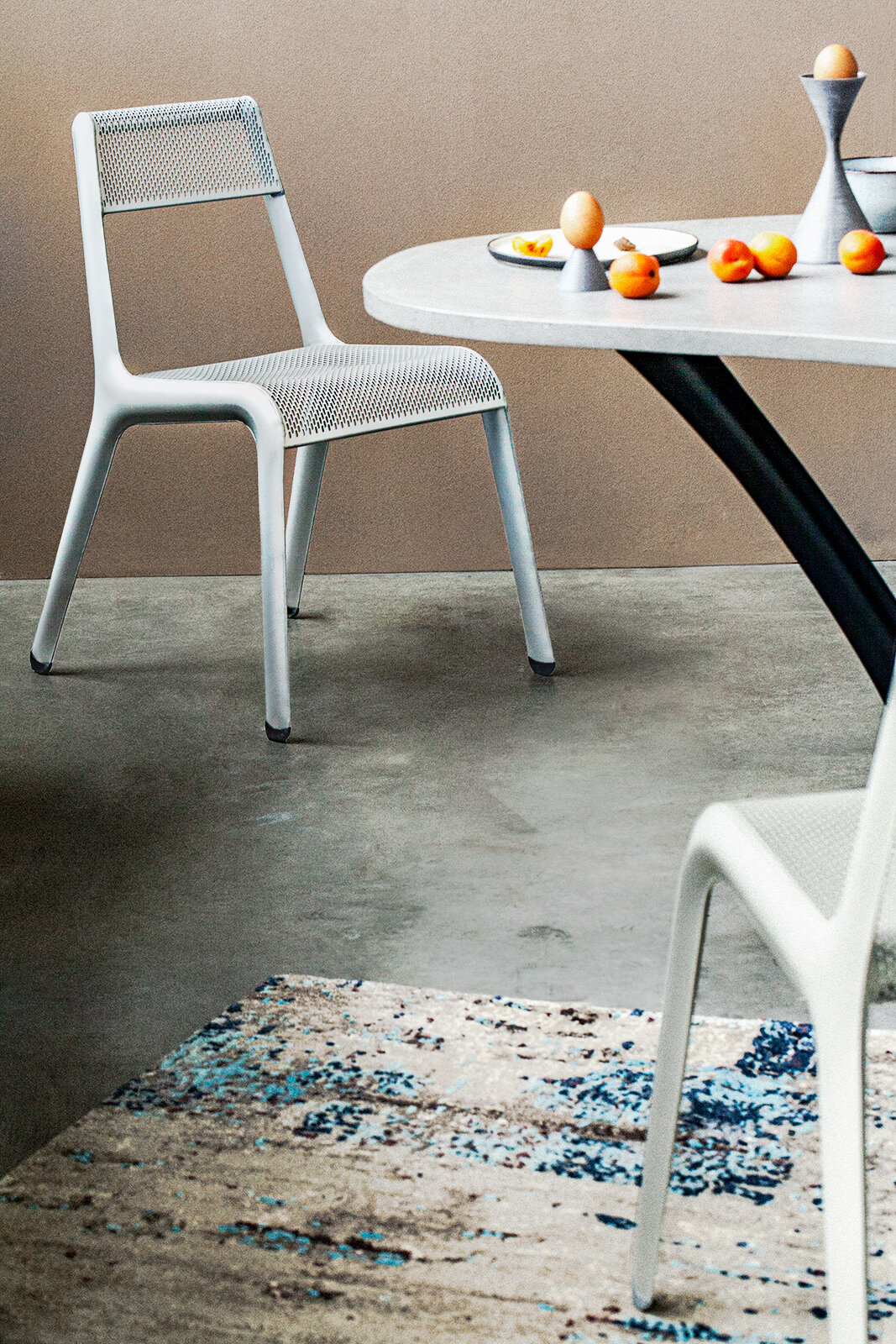
In the collection: MoMA, New YorkThe first lightest eco-friendly seating. Ultraleggera translates the FiDU process into furniture: ultralight, structurally extraordinary, made from a single material. The name means "ultralight" in Italian and the object makes that promise visible in its form.
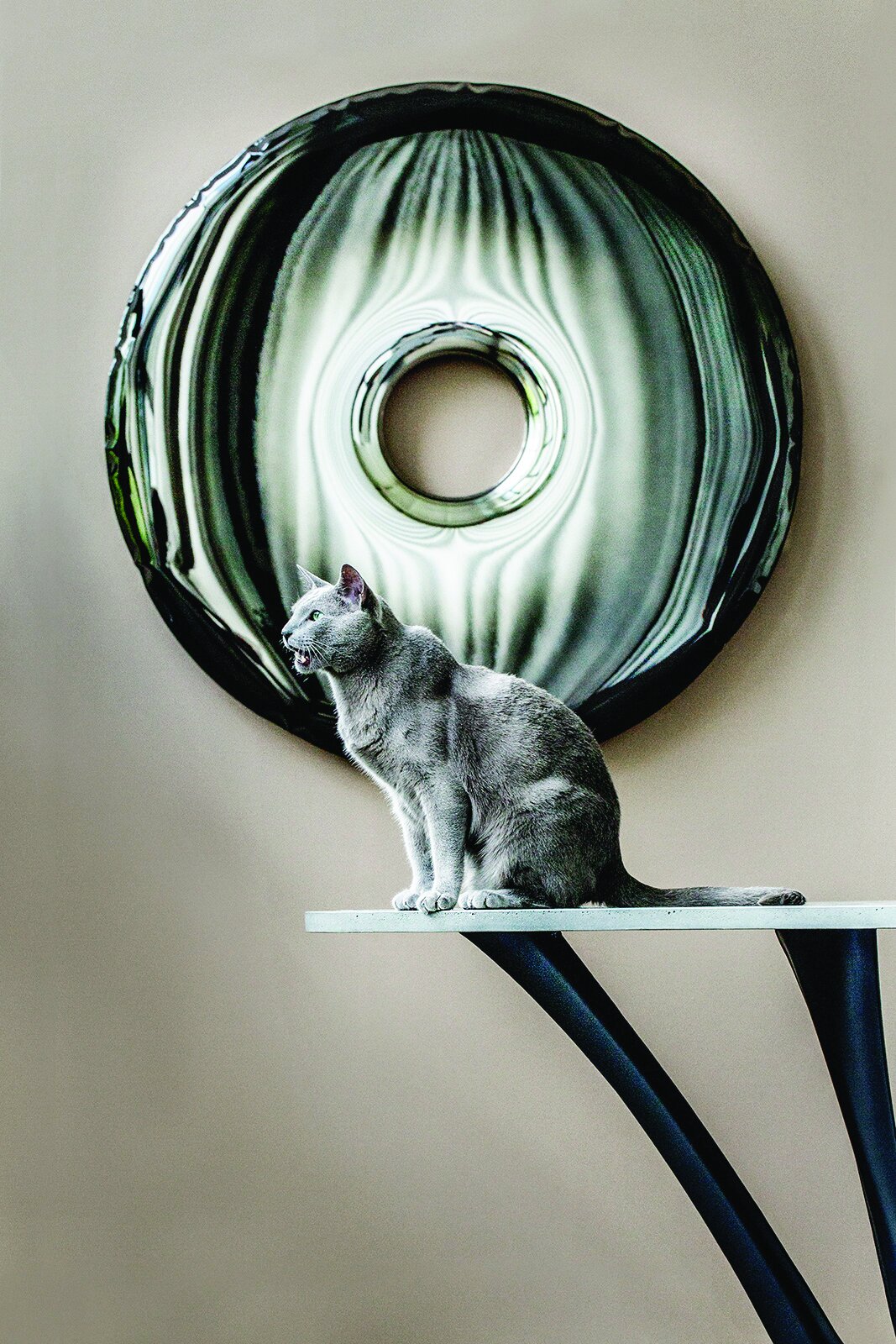
Red Dot Product Design AwardReminiscent of a silvery doughnut, gracefully arching into three-dimensional space. Like TAFLA, RONDO reflects differently depending on position in a room, each step revealing a new dimension and a new version of the space it inhabits.
Flat welded sheet-metal objects that transform in the domestic oven into three-dimensional home accessories. The FiDU process brought into the kitchen. Each person's HOT PIN emerges differently, depending on their oven and their nerve. A rare democratisation of the sculptural process.
Three consecutive exhibitions in Poland during the pandemic: Royal Palace Wroclaw, Cracow, and Gdansk. A deliberate slowing down that allowed Zieta to see his work in institutional contexts across his home country, in conversation with Polish architectural heritage.
Zieta Studio is a place of experimental artistic production. It is where monomaterial, ultra-light technological manifestos in metal are created. Here, engineering intertwines with art. Here, we constantly move between the virtual and the real. This is where radical, unique, and environmentally conscious objects are formed from inflated metal. We sculpt objects of desire with air. We deform flat sheets of metal into three-dimensional, collectible functional forms.
Zieta Studio objects are unique ambassadors of the groundbreaking FiDU technology. A technology that allows us to sculpt air into metal. A technology that is revolutionising the worlds of design, art, architecture, ultralight industry, and new mobility. Through bold, sculptural objects, we manifest advanced technological studies and years of material research.
We operate beyond established patterns, think in terms of process, and treat design as our means of communication, a prism through which our interdisciplinarity is revealed. The studio has won numerous awards including the German Design Award, the Red Dot Award, and the Audi Mentor Award.
"Create and never be afraid of failures. Material studies are the core issue. Later you go through experimentation, research, and constant contact with your creative self."
Why Oskar Zieta's work belongs in the conversation about the future of sculpture
There is a category of artist who discovers a process rather than inventing one. Zieta did not decide what inflated steel would look like. He discovered that inflated steel has its own formal logic, and then he spent decades learning to collaborate with it rather than override it. That position, of the artist as a listener to material rather than its dictator, produces work that feels inevitable rather than designed.
The fact that his work is in MoMA, Vitra, and Centre Pompidou is confirmation that the international design and art worlds have recognised something genuinely new. FiDU is not a technique. It is an epistemology. A different way of thinking about what form is and where it comes from. The Kraken, the TAFLA, the Ultraleggera: each one is a question about how much control the artist needs to relinquish before the material begins to speak.
Antakly Projects is proud to have had this conversation. Follow Oskar Zieta's work at @oskarzieta and Zieta Studio at @zieta_studio.
An independent platform dedicated to artists, musicians, photographers, designers, and thinkers at every stage, from emerging voices to established masters. Every interview is selected for depth, not reach.
✦ Explore all our interviews →"We need to support alternative films, art, any artistic form that challenges mainstream."
More personal essays and cultural commentary from Leila Antakly, on art, politics, wellness, and the complicated business of paying attention.
Read on Substack ↗