SOUND ARTIST HUGO LIORET
Hugo Lioret.
French composer, musician and sound artist. Interested in the confluence of nature and technology — exploring textures, patterns and behaviours that create a sense of organicity. Nantes born, Paris raised, now at the edge of the sea in The Hague.
Field Recording · Visual
SuperCollider
Touch Designer
The Question of Organicity
I grew up in Nantes, a city near the sea, then in Paris. Now I live and work in The Hague — a city even closer to the sea. The question of organicity drives everything I do. I can look at the sea, its evolution, its different textures, its proportionate disorganisation, its material or immaterial presence — and in the same way, I develop sounds, images, constructions that make us feel the characteristics of these organic bodies.
I wish to participate in the deconstruction of the binary between technology and nature. I am interested in what the hybridisation of these bodies produces, underlines, disturbs, reveals, imitates. This is where I place my work: the organic.
Turrell
The poetry that emerges from his work is extraordinary. The simple fact of framing the sky — so simple and yet so effective. Sometimes it's about context, and this is what really interests me about field recording too. Recording a sound is also a question of framing. To make it audible in another context is to potentially reveal the sensory and imaginary qualities of an object.
Time also has a very particular flavour in the space of his works. I feel a form of spirituality.
Rothko
With such simple forms and an almost systematic use of colour, he manages to release an emotional power I have never really understood but have deeply felt. In Paris, I think it was the only time in my life that I cried in front of a painting. A balance and a gentle inner deflagration emerges.
It is this kind of state of mind — this energy — that I wish to develop and share with as many people as possible.
Monet
The experience of the water lilies at the Musée de l'Orangerie had a profound effect on me. What I find admirable is that it sits precisely on the border between abstraction and figuration. The size of the paintings, the quality of the colours and textures give me the same sensations as Turrell or Rothko. It just makes sense.
"I listen to what the sound tells me. I am a form of spectator."
— Hugo Lioret
Tell us about your creative process.
At the moment I'm trying to reform my working method. I used to do a lot of field recording, creating material from recordings through sound processing — first the sound material, then its organisation. Most of the time it's the sound itself that leads to its own connections. I'm a form of spectator. I listen to what the sound tells me.
The hardest thing is starting. Once there are enough elements indicating an atmosphere, a tension, a question, I just follow it through to a point of exhaustion.
Today I'm particularly experimenting with music programming in Max and SuperCollider. I want to be more radical in my approach between nature and technology. I'm also interested in visual creation with Touch Designer — though I'm not necessarily looking for technicality. Simple tools can be incredibly meaningful. Above all I want to create an experience that is intense, that shakes the metaphysical part of each of us.
How has the pandemic affected your creativity?
During this period, I had the rage to create. It only shouted even louder the imperious necessity of creation in my life. I decided to push further. To let go.
I clearly don't see the world changing since this crisis. For me this epidemic was also a potential chance to see the economic system evolve towards something more virtuous — I am rather pessimistic. If a global epidemic cannot change the political system, its construction, the concerns of its leaders, but also the cultural and social solidarity between people… what can?
All the decisions that were taken in France only underlined a very worrying lack of consideration for knowledge, culture, discovery, exchanges and well-being.
Sakamoto
Beyond the quality of his latest musical productions, he embodies a relationship to life and art that I find purely right.
What does wellbeing mean to you?
For me, wellbeing means being able to use all your energies. Yoga, running, friends, love, sex, travelling, reading, eating — all opportunities to develop my well-being beyond creation.
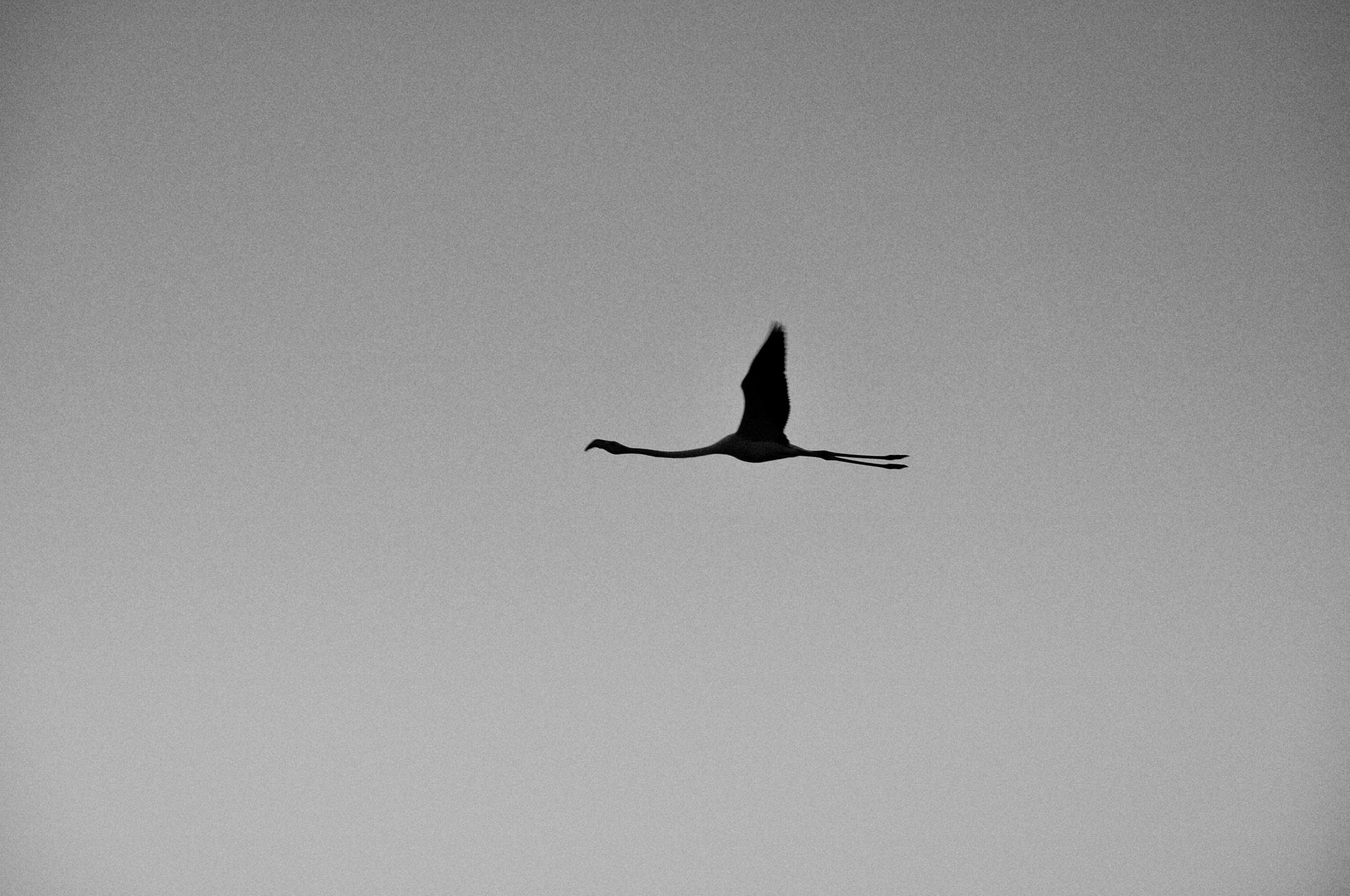
Photo credits courtesy of artist
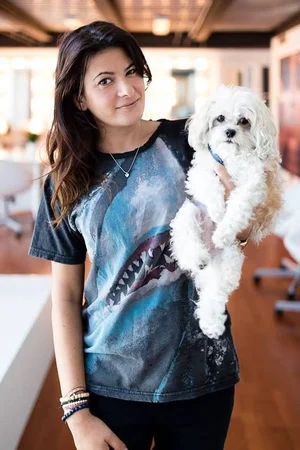
Portrait by Louise Chateau
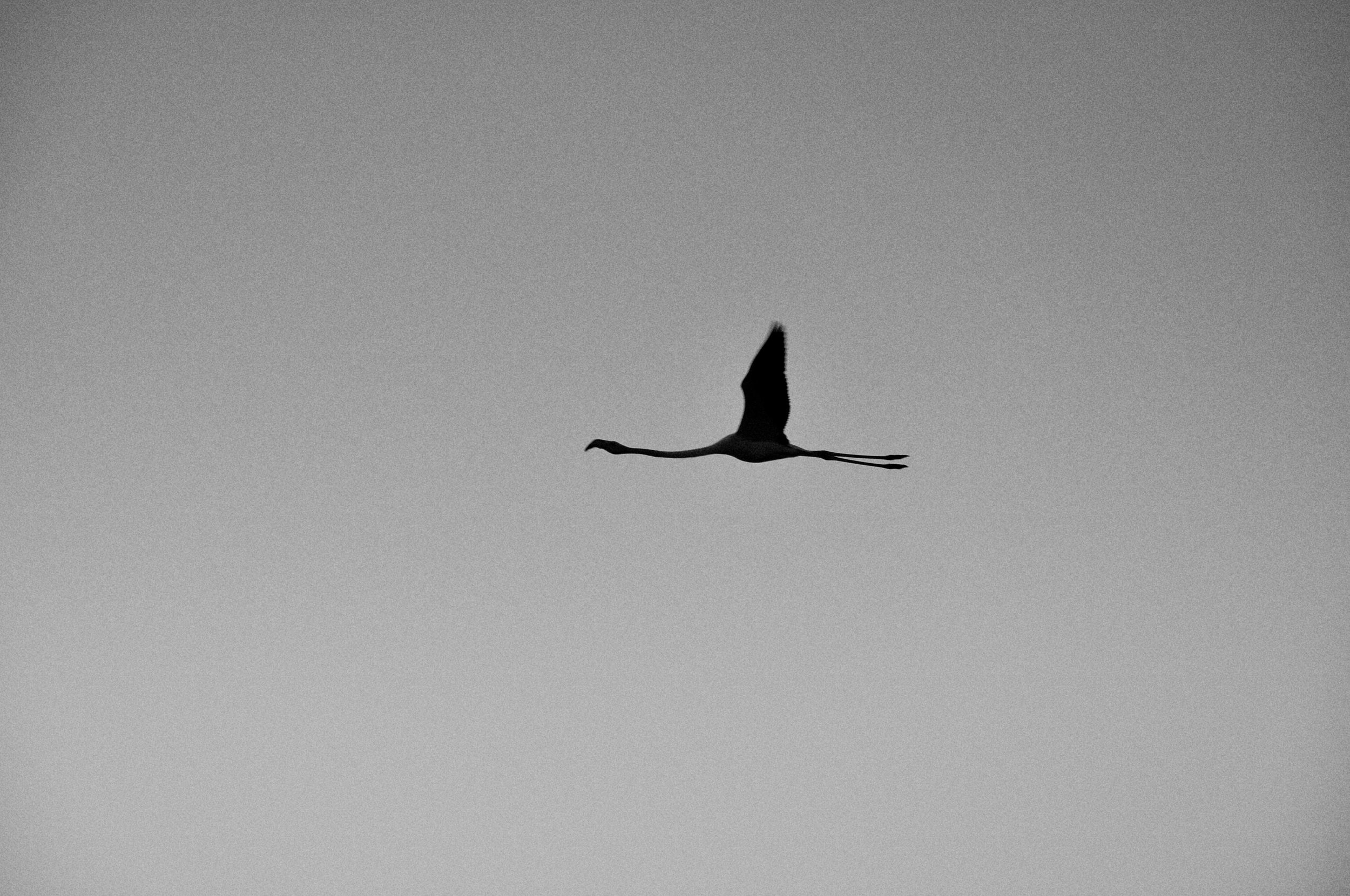
Flamingo, Swakopmund, Namibia by Hugo Lioret