THE ART WORLD MUST CONSIDER ITS OWN ENVIRONMENTAL FOOTPRINT
In Real
Life
Olafur Eliasson at the Guggenheim Bilbao. Then Chillida Leku, where the sculptures live among oak and beech as though they have always been there. A trip to the North Coast of Spain that reminded me why art matters.
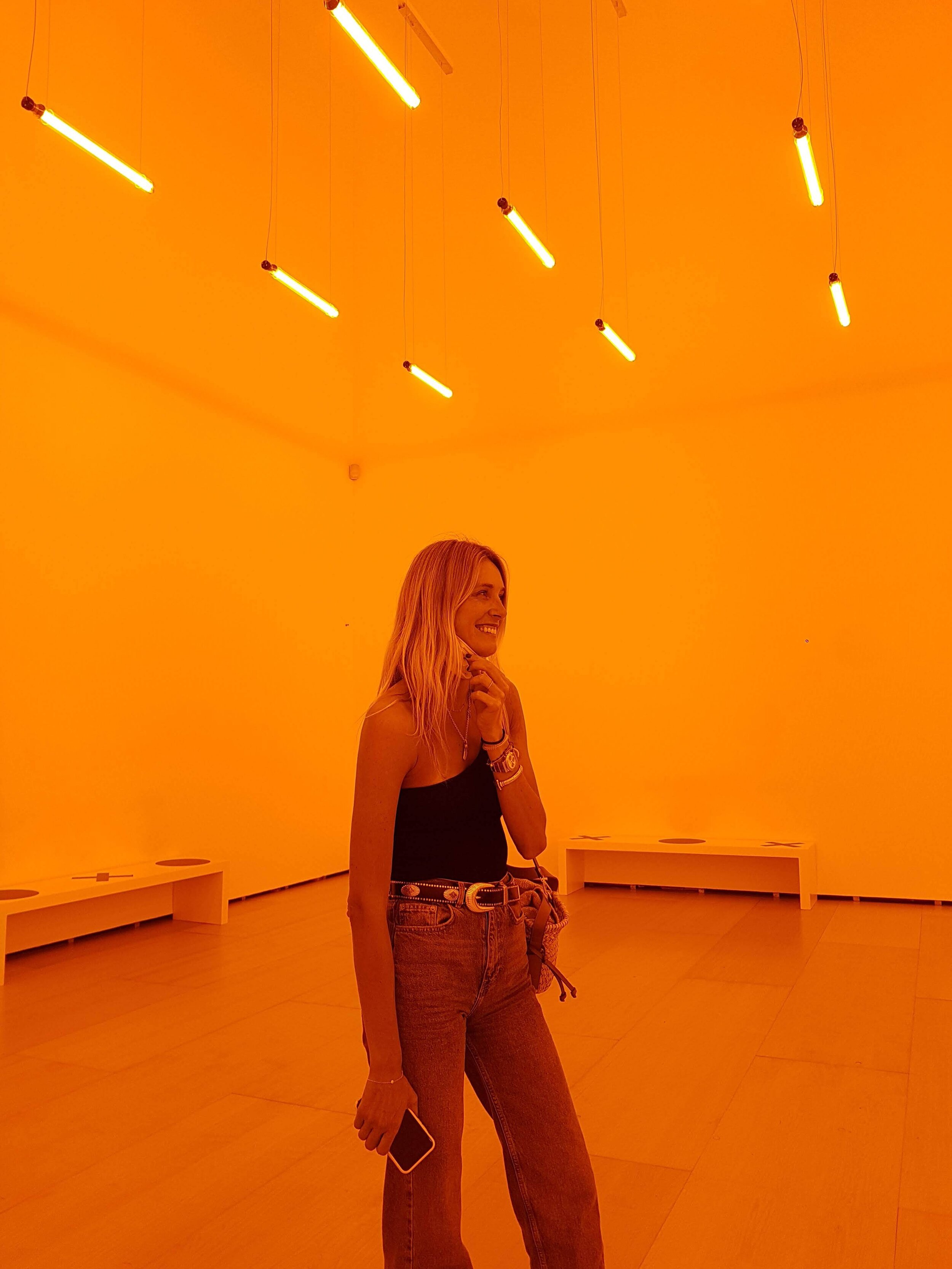
Olafur Eliasson has been one of my favourite artists for a long time because I am always simply in awe of the powerful simplicity of his art, and how it so playfully and yet so seriously reminds us of our responsibilities to climate change, energy and migration. He puts the experience of the viewer at the centre. You do not stand in front of an Eliasson: you stand inside it. You become part of the work. And then, when you leave, you carry the afterimage of it with you, sometimes literally: the yellow light room leaves a bluish reflection in your vision as you walk back into the white corridor, and that moment of disorientation is the whole argument in a single perception.
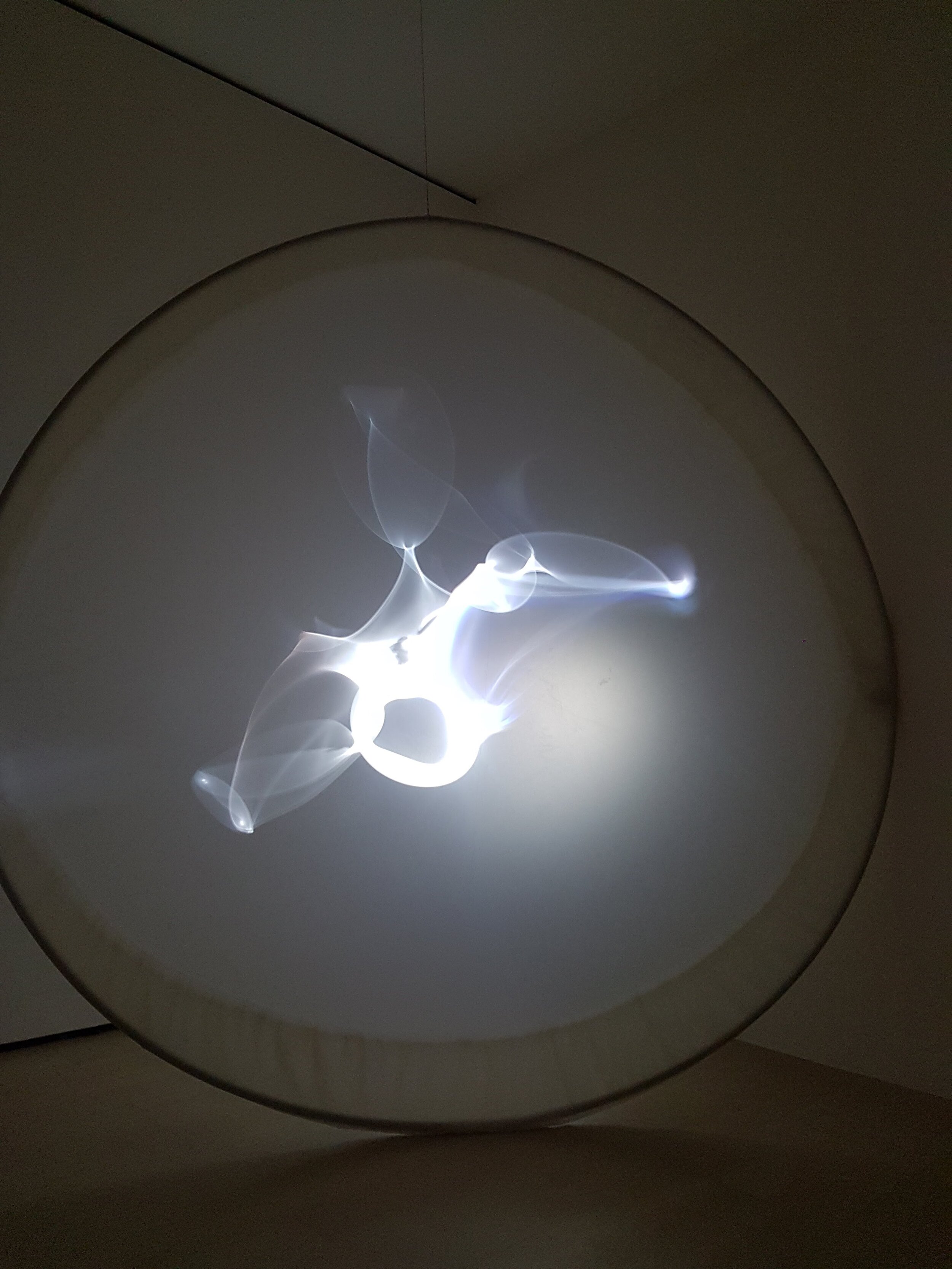
The exhibition In Real Life, which opened at Tate Modern in 2019 and travelled to the Guggenheim Bilbao in 2020, brought together around thirty works created between 1990 and the present: sculptures, photographs, paintings and installations that play with reflections and shifting colours and challenge the way we navigate and perceive our environment. Through materials such as moss, water, glacial ice, fog, light and reflective metals, Eliasson asks you to reflect on your understanding and perception of the physical world that surrounds you. He asks you to be responsible for it.

Eliasson · Guggenheim Bilbao

Chillida Leku · Hernani
What strikes you first at the Guggenheim is the scale of ambition, and then, quickly, the intimacy. The Moss Wall (1994) fills an entire gallery with pale Scandinavian reindeer moss: a vanilla colour, delicate and springy, and the scent of it is sweet and clean and remembers a landscape you may never have visited. On the floor in front of it, the wave machines of 1995 move golden water back and forth in glass channels, slowly, almost imperceptibly. The combination of scent and movement and organic texture produces something that is difficult to name: a kind of stillness that is also completely alive.
The yellow light room is a different experience entirely. The lamps emit a single wavelength of yellow light, reducing your perception of colour to yellow, black and grey. You become aware of how much of the world as you normally see it is constructed by your own perceptual apparatus. And then you step out, and the bluish afterimage floods your vision for a moment: the room follows you. That is exactly what Eliasson wants. The world you walk back into is not quite the world you left.
and perception.
His three interests.
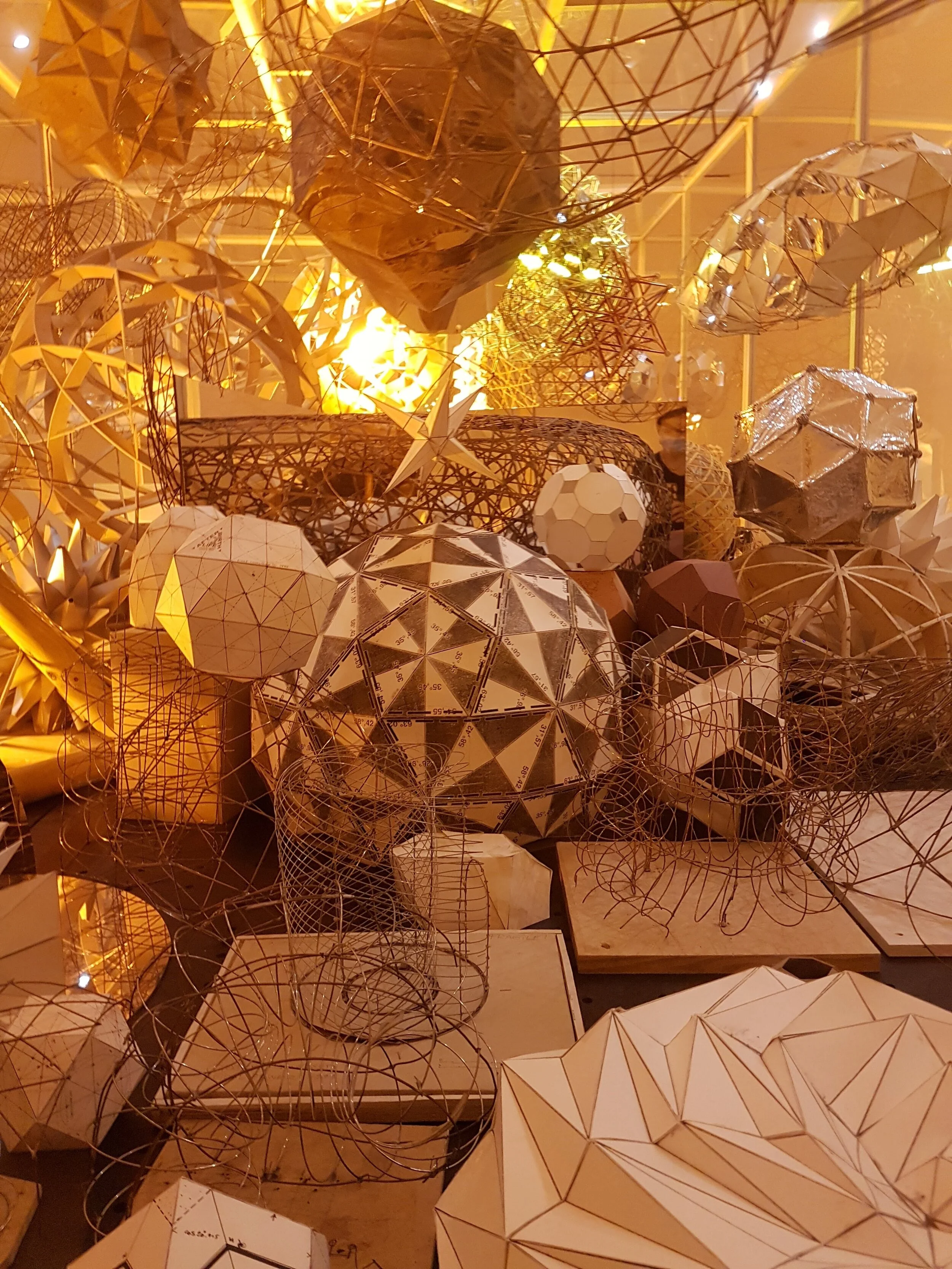
The Model Room makes the geometry explicit: helix, hemisphere, Mobius strip, geodesic dome, pyramid, globe. These fundamental forms, developed in conjunction with mathematicians and scientists, support everything he creates. Here you can see the way his mind has been working for over thirty years: interconnecting descending spirals, silver kaleidoscopes, forms that contain each other endlessly.
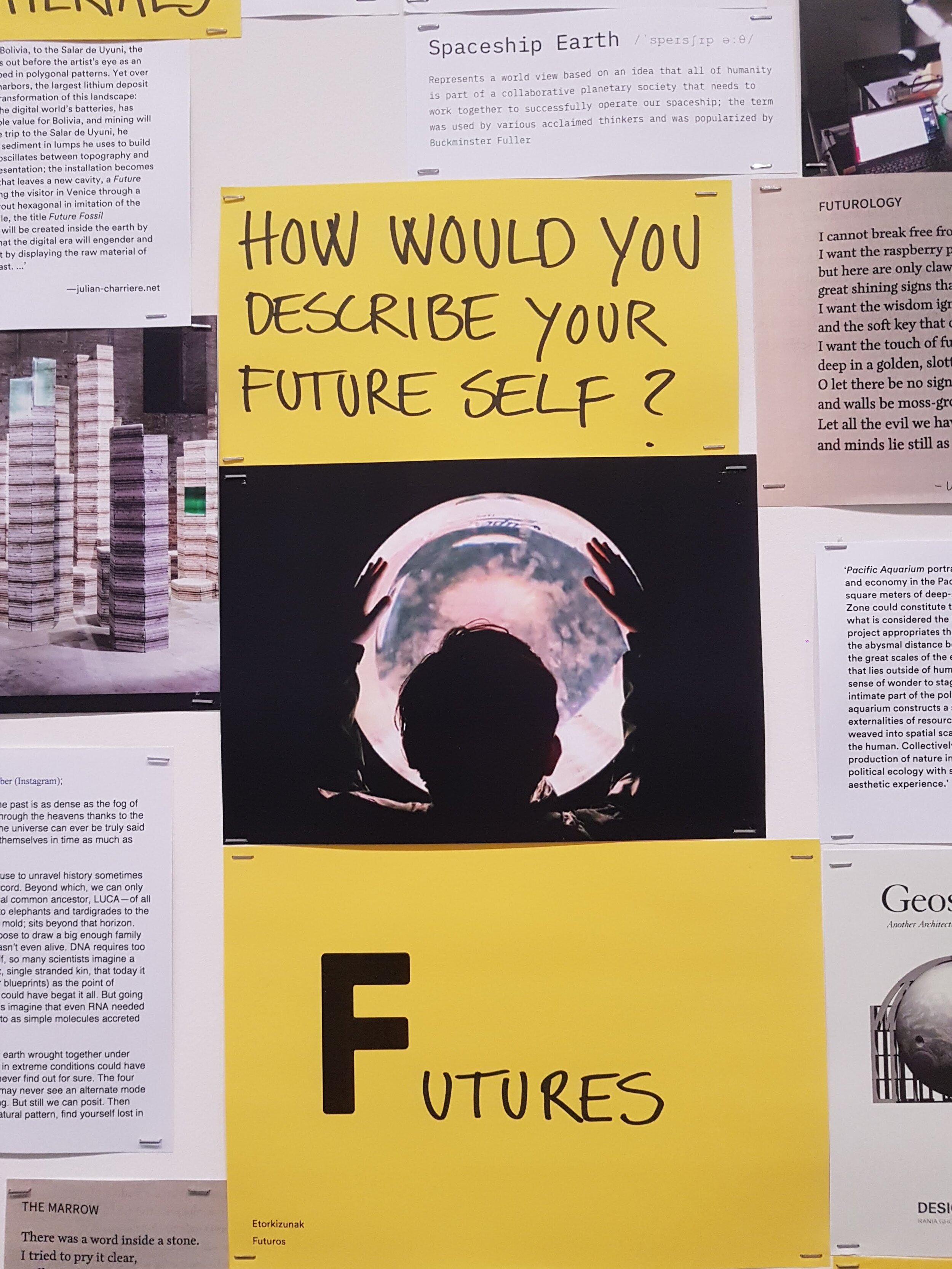
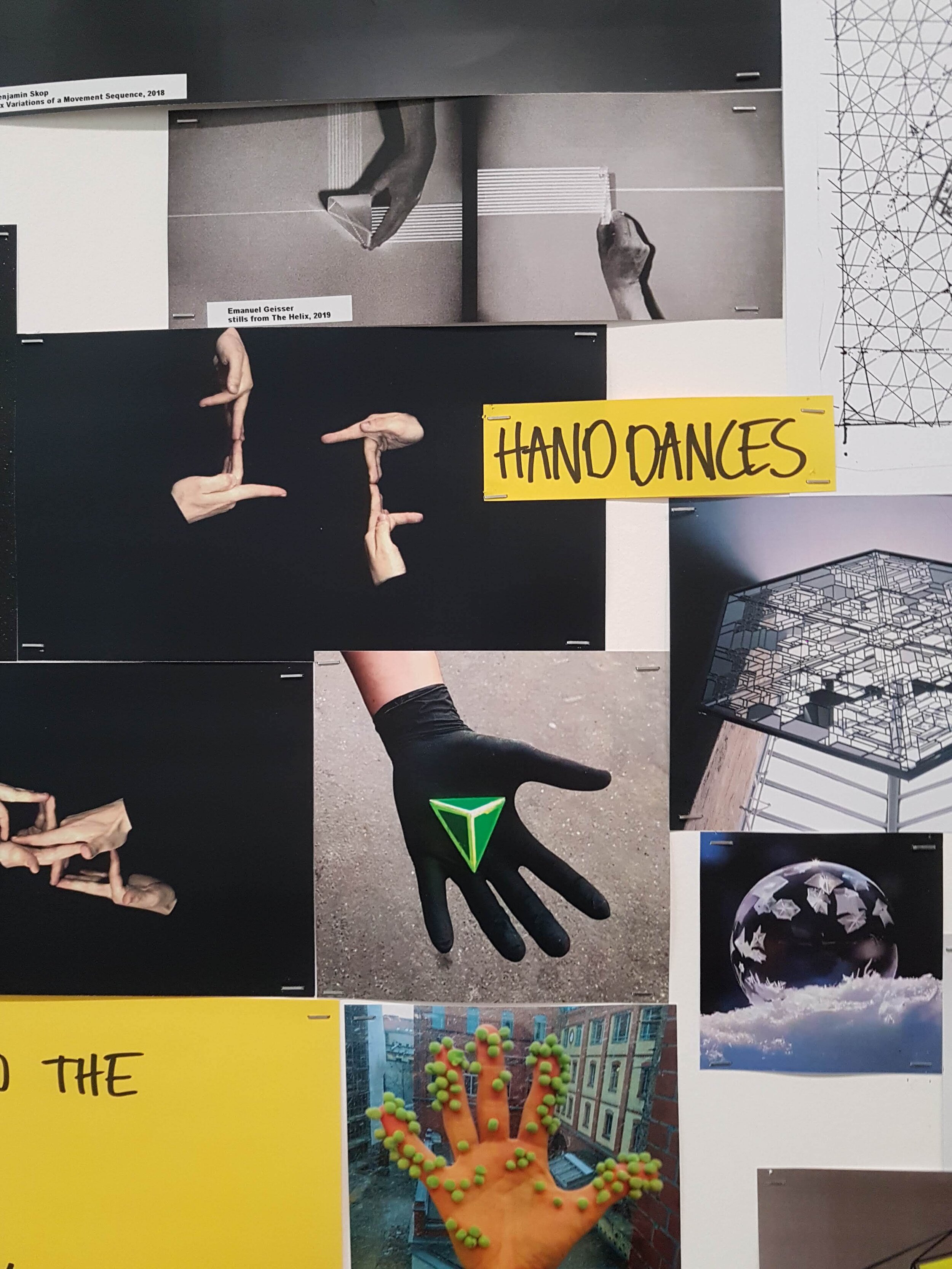
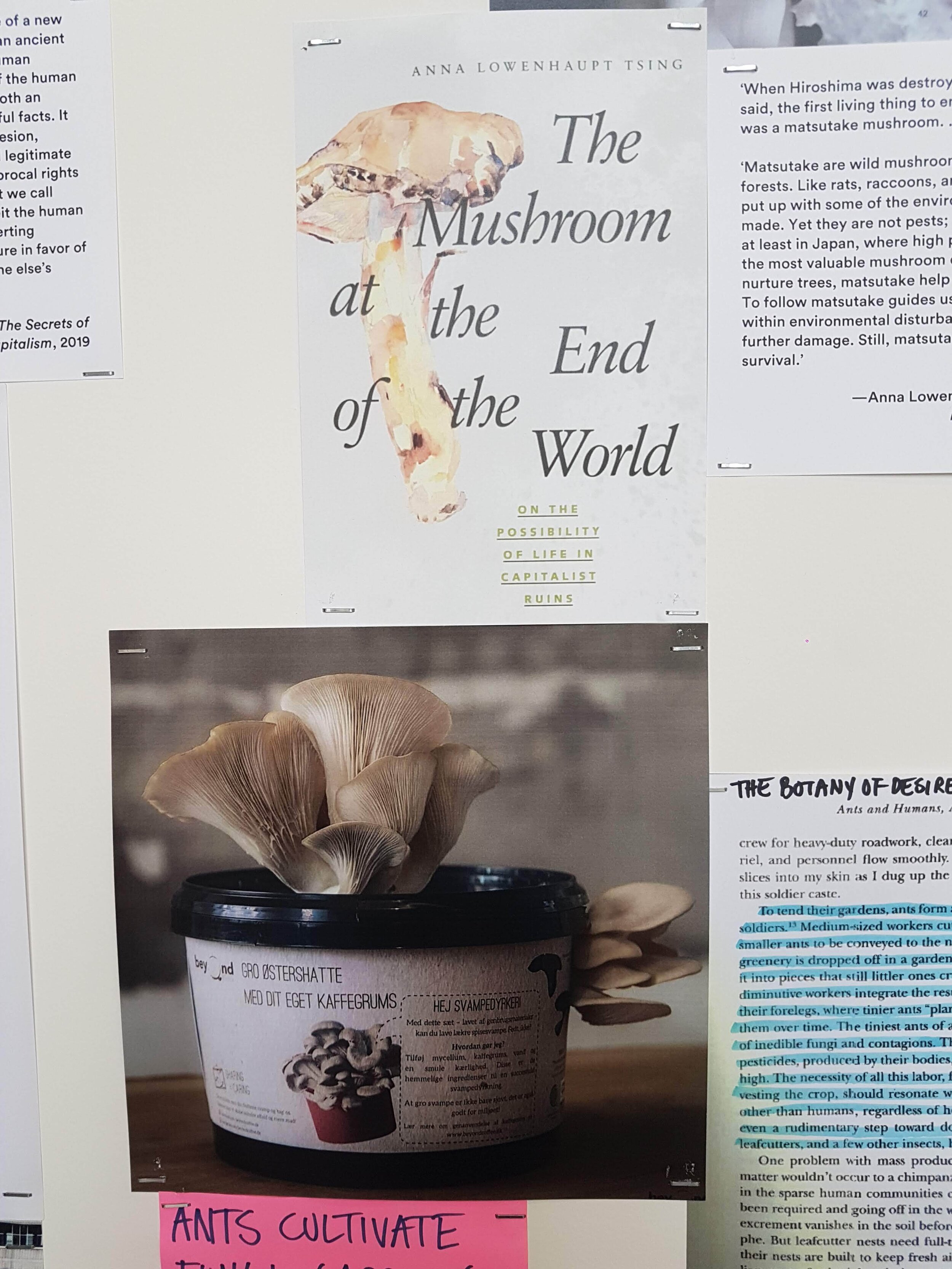
The Studio Expanded is a pinboard wall of post articles, images and news clippings about different urgent issues: climate change, transhumanism, body, identities, big data, the Anthropocene. It is the show's conscience made visible: this is what the art is responding to, and this is what it is asking you to think about.
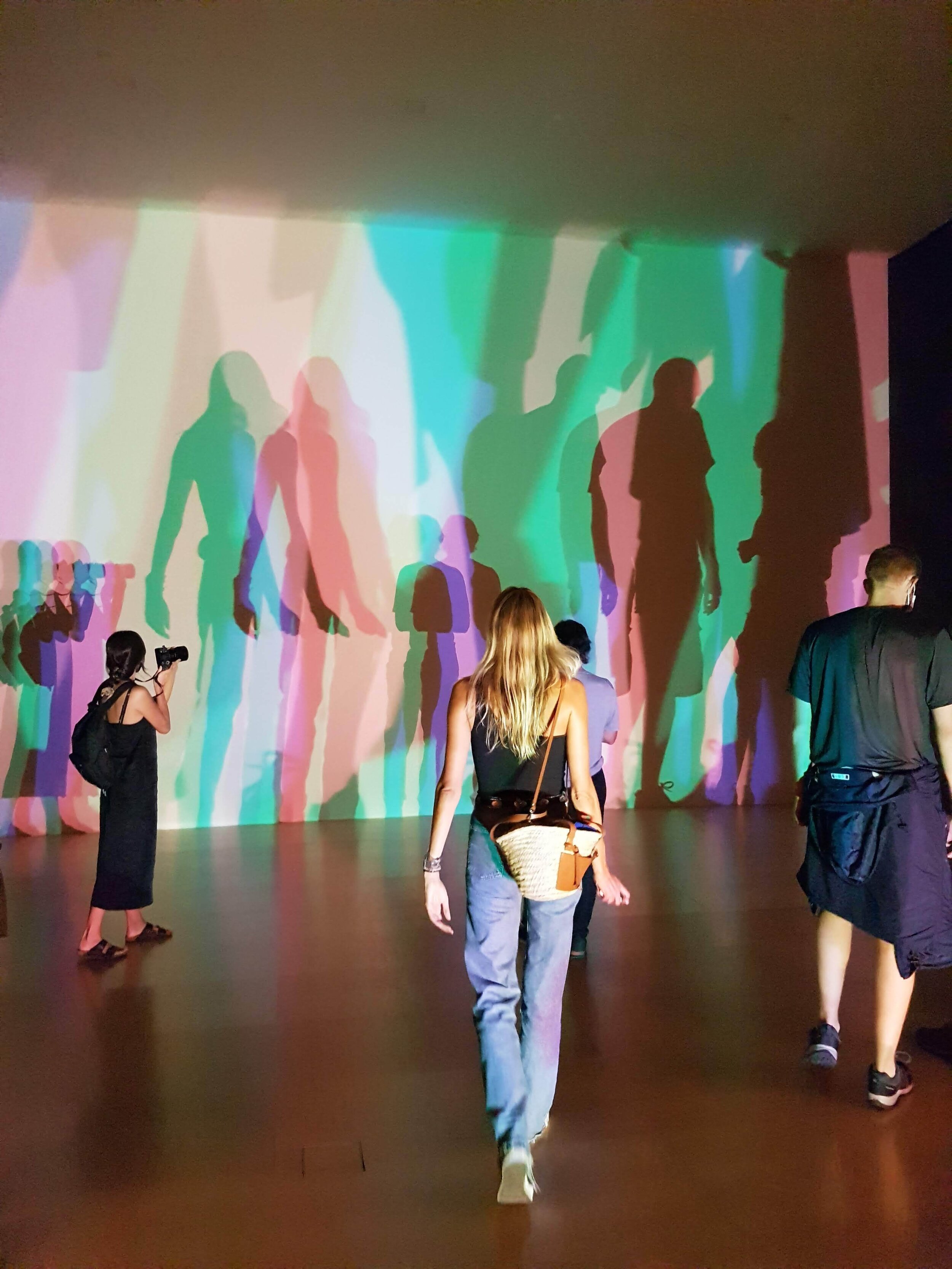
Your Uncertain Shadow (Colour) from 2010 is simpler and more affecting than almost anything else in the show. The more people, the greater the effect. Stand in it with strangers and watch what happens to everyone's shadow.
"I am always simply in awe of the powerful simplicity of his art, and how it so playfully reminds us all of our responsibilities to climate change, energy and migration."
Leila Antakly · Travel diary, BilbaoLeku
Chillida Leku is a unique museum, and itself a great work of art. In the garden, beech, oak and magnolia trees live alongside monumental steel and granite sculptures situated in a perfect dialogue with their surroundings. The sculptures are integrated into the landscape as though they had always been part of it, which in a sense is the entire argument of Eduardo Chillida's practice: that form is not placed in space, but released from it.
After the sensory intensity of Eliasson's immersive installations, Chillida Leku felt like breathing out. The silence here is different from the moss wall's silence: it is an outdoor silence, with birdsong and the sound of the wind through the trees, and the sculptures standing in it as though they have always been there. Nature and art come together in the space not as a curatorial decision but as something inevitable. You do not look at the sculptures at Chillida Leku. You encounter them.
museochillidaleku.com ↗An independent platform dedicated to artists, musicians, photographers, designers, and thinkers at every stage. Every interview is selected for depth, not reach.
✦ Explore all our interviews →"You do not stand in front of an Eliasson. You stand inside it. You become part of the work."
More art writing and travel essays from Leila Antakly on Substack.
Read on Substack ↗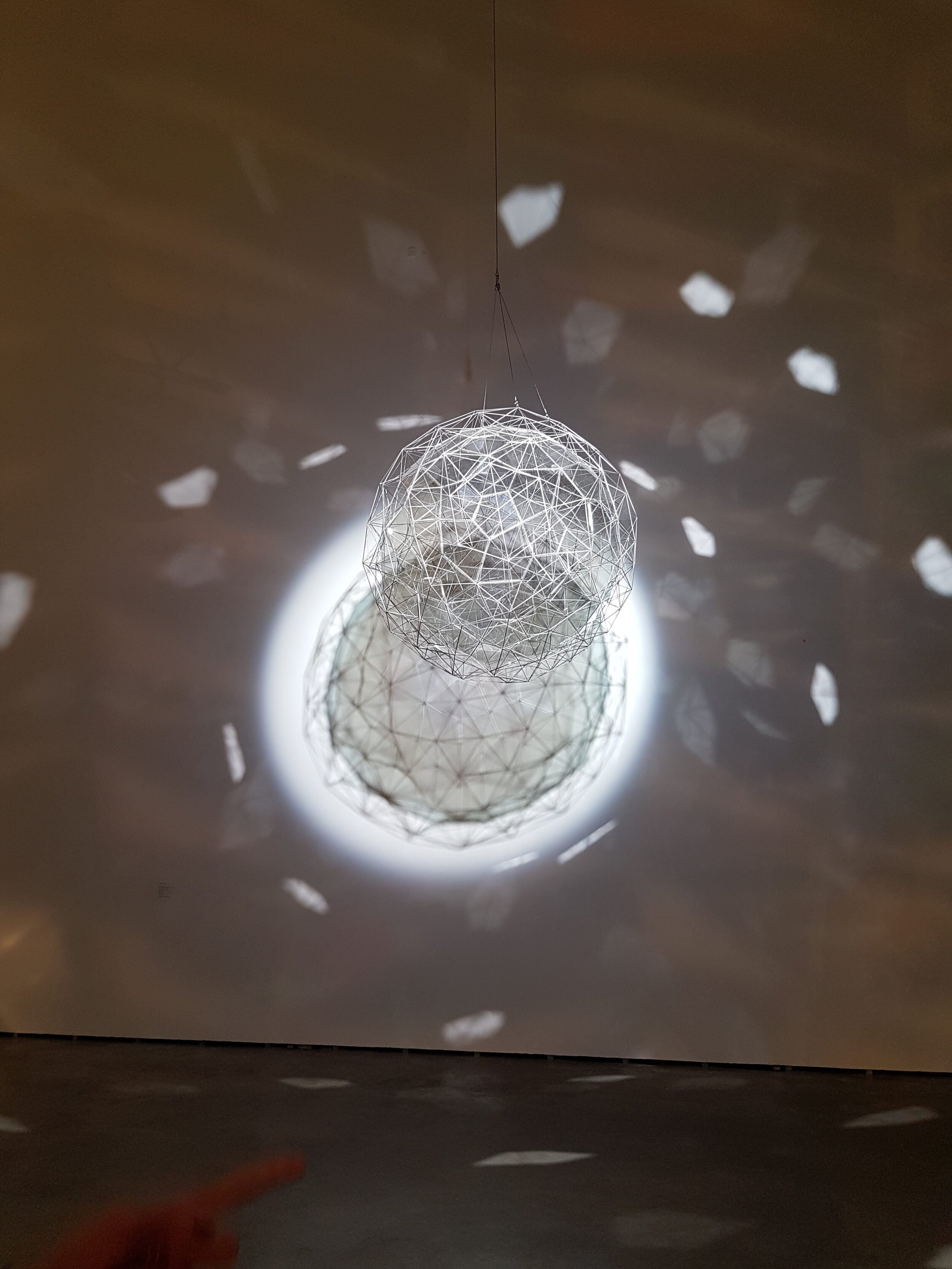
Some other highlights of our trip to the North Coast of Spain