
Mombasa — Poli Poli — A Travel Diary
Mombasa
Kitesurfing, a tipsy Maasai warrior on a matatu, bush babies at sundown, Danish nurses in the villages, and the art of doing absolutely nothing. An unconventional trip to the Kenyan coast.
I just settled back home after a beautiful and unconventional trip to Kenya. Instead of a traditional Masai Mara safari, I opted for an adventurous mix of kitesurfing and a wildlife sanctuary retreat along the stunning Mombasa coast. Thank you, Lodo, for making it happen. There are too many inside jokes and moments to recount, from "Hakuna Matitties" to the overarching lesson of the trip: the art of doing absolutely nothing.
Mombasa's coast feels like a place suspended in time, uncertain of its next chapter, but magnetic all the same. The water is spectacular. The colour of it, the temperature of it, the way the light falls on it in the late afternoon: all of it is stunning. The coral reef that protects Diani Beach means the swimming is consistently excellent throughout the day, calm and turquoise and forgiving. I came to kitesurf and I came to be still and both things were possible in the same place, which is rarer than it sounds.
The best part was time: time with old friends and new ones. We met incredible Danish nurses and Austrian social workers now working in remote villages, fully dedicated to helping others despite the challenges and the risks. The kind of people who remind you what it means to actually do something with your life rather than just talk about it. I left a piece of myself there and hope to return soon. Next time, strapless board and all.
"I befriended a very tipsy Maasai warrior with fish-glazed eyes and a mysterious relationship with his spear. Still unclear whether it was for sale or just for show."
Leila Antakly · Travel diary, Kenyamagnificent and neglected
I have a lot to say and I hope very much that things change for the better. In terms of nature, Mombasa is stunning, but it somehow feels completely neglected and abandoned from the potential it had to perhaps rival the best of East Africa. The richly diverse fusion of Indian, Arabic and African culture here is exhilarating: the bustling, heaving, colourful commercial and cosmopolitan port town is a stimulating, fascinating experience. But the gap between what it is and what it could be is enormous.
The completion of the Standard Gauge Railway rerouted significant cargo and logistics jobs away from the port. Tourism has suffered from past security concerns and the post-pandemic drop-off. Many Swahili families have lost ancestral homes to gentrification and land ownership disputes. A massive portion of the coastal population lives as squatters on ancestral land, which stifles development and leaves neighbourhoods feeling underdeveloped. Old Town, with its Arab architecture and interlaced labyrinths and air laden with the scent of spices, deserves far better than what the infrastructure currently offers it.
I noticed the prevalence of sex tourism in the area, which is driven by widespread poverty, a thriving international industry, and a history of a transient, male-dominated labour force. I do not want to focus on this, but it was so prevalent it would be dishonest to leave it out. These are complex, rooted problems that no single intervention will solve. But they deserve to be named.
A long, continuous stretch of powdery white sand and turquoise water protected by a coral reef. Swimming is excellent and consistent throughout the day, with far less extreme tidal fluctuation than Zanzibar. More laid-back, contained and relaxing. Serves as a perfect extension to a Kenyan mainland safari: you can fly directly from the Masai Mara to Ukunda airstrip. Fewer cultural attractions, more pure coast and water sport. The right choice if you want uninterrupted stillness.
Rich in Swahili history and culture. Stone Town is UNESCO World Heritage listed. Spice farms, Red Colobus monkeys in Jozani Forest: the cultural offering is considerably deeper. However, the dramatic tidal changes mean the water can recede for hundreds of metres during low tide, making all-day swimming difficult in some areas. Busier and more commercialised, with a vibrant party scene in Paje and Nungwi. The right choice if you want culture alongside coast.
Lived in Kenya. Her writings are deeply shaped by the landscapes and cultures of the region. Out of Africa won multiple Academy Awards as an adapted film. The connection between Scandinavia and East Africa has a long and complicated history, and Blixen sits at the centre of it.
The legendary oud player and composer was a defining figure of the Swahili Taarab music scene in Mombasa. His group, Zein Musical Party, defined the classic coastal sound: the meeting point of Arabic melody, African rhythm and Swahili poetry.
One of the most famous female vocalists of the Kenyan coast, who brought Taarab music to the masses with her poetic lyrics and powerful delivery. A voice that carries the full weight of the coastal culture it comes from.
A highly acclaimed contemporary Kenyan photographer whose vibrant, globally recognised work features women, bold textiles and optical illusions. Deeply inspired by the people and cultural expressions of her homeland. One of the most formally inventive photographers working in Africa today.
An independent platform dedicated to artists, musicians, photographers, designers, and thinkers at every stage. Every interview is selected for depth, not reach.
✦ Explore all our interviews →"Mombasa's coast feels like a place suspended in time, uncertain of its next chapter, but magnetic all the same. I left a piece of myself there."
More travel writing and personal essays from Leila Antakly on Substack.
Read on Substack ↗
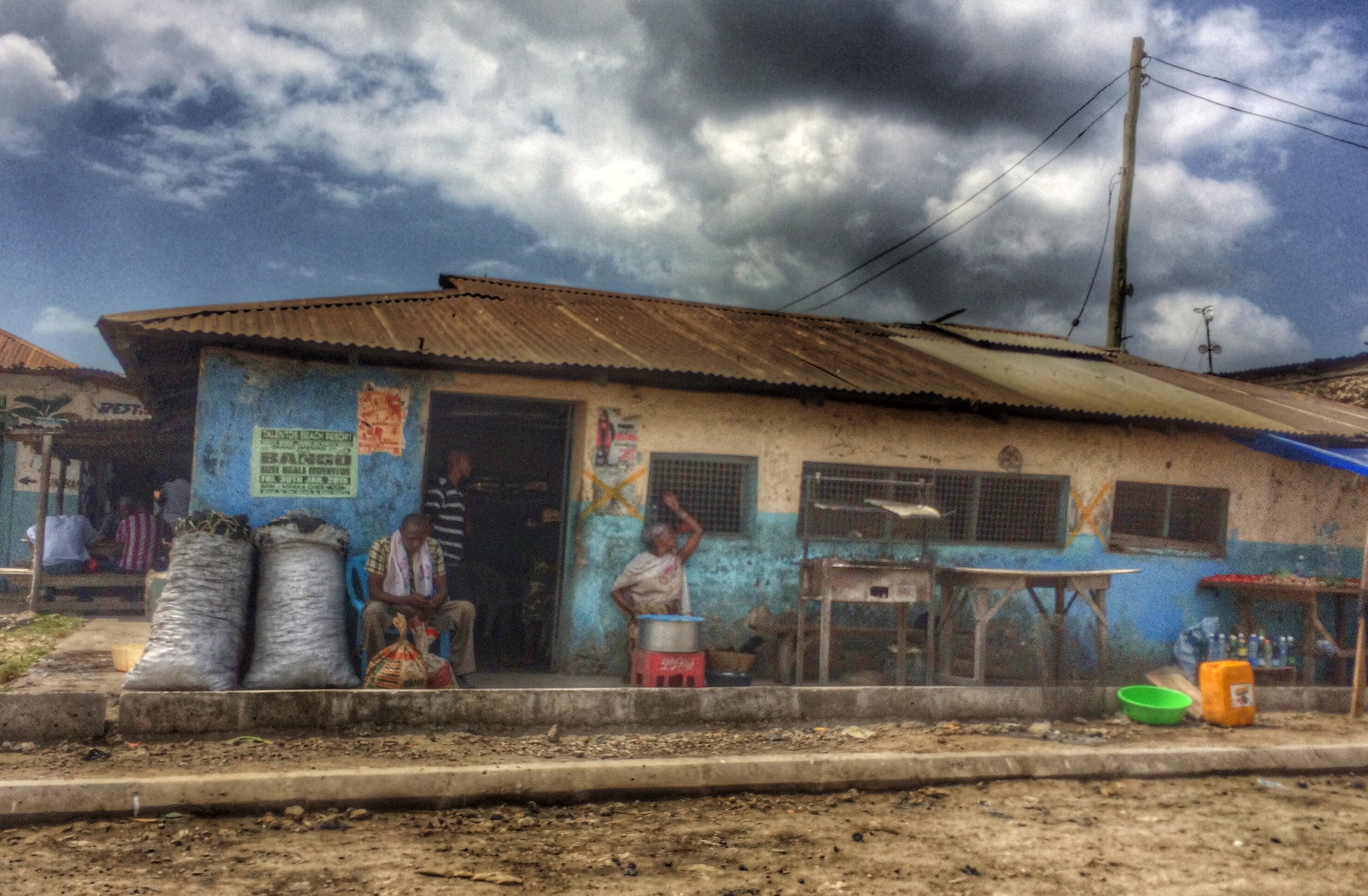
Leila in Kenya
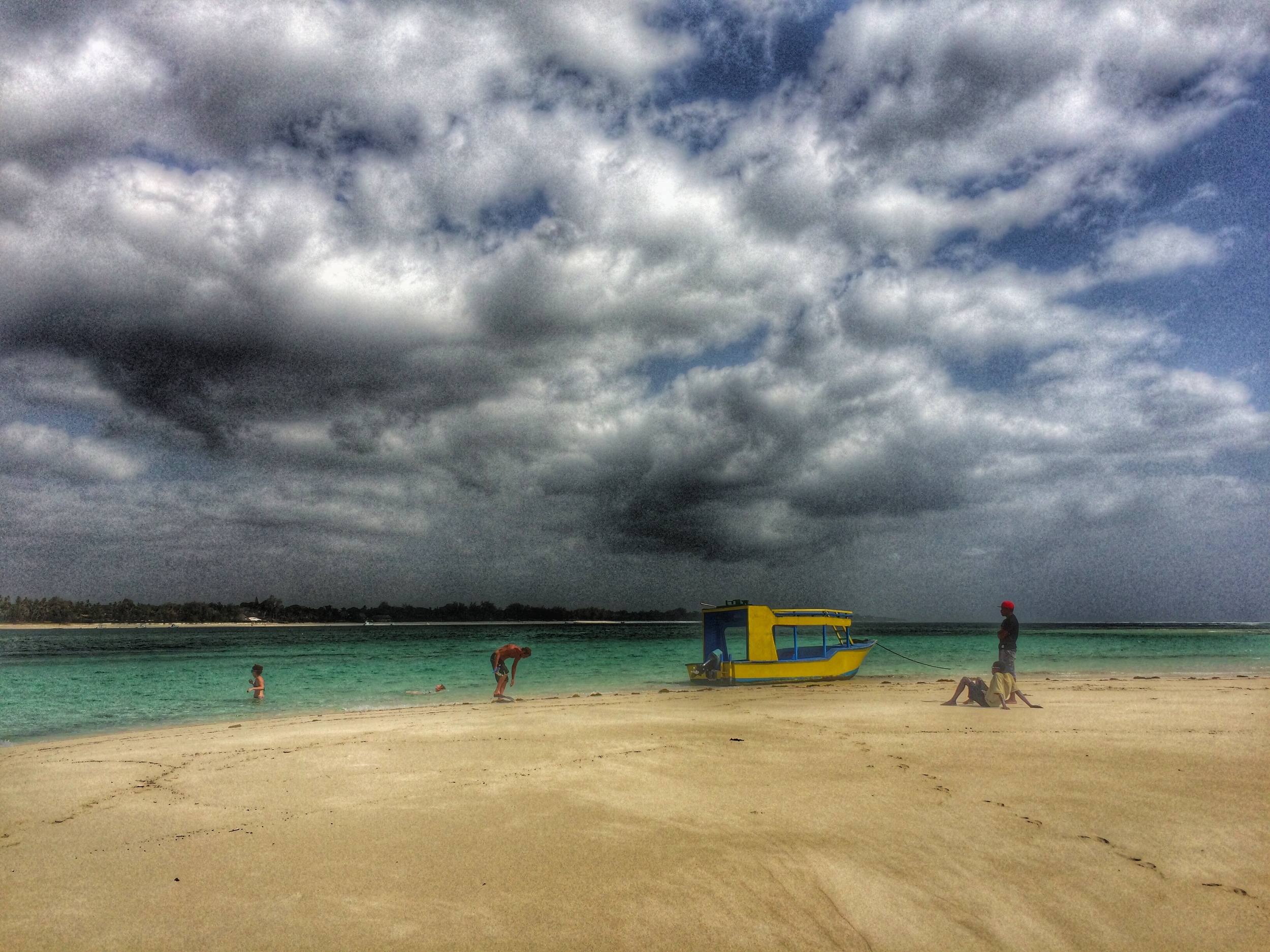
Diani Beach Kenya
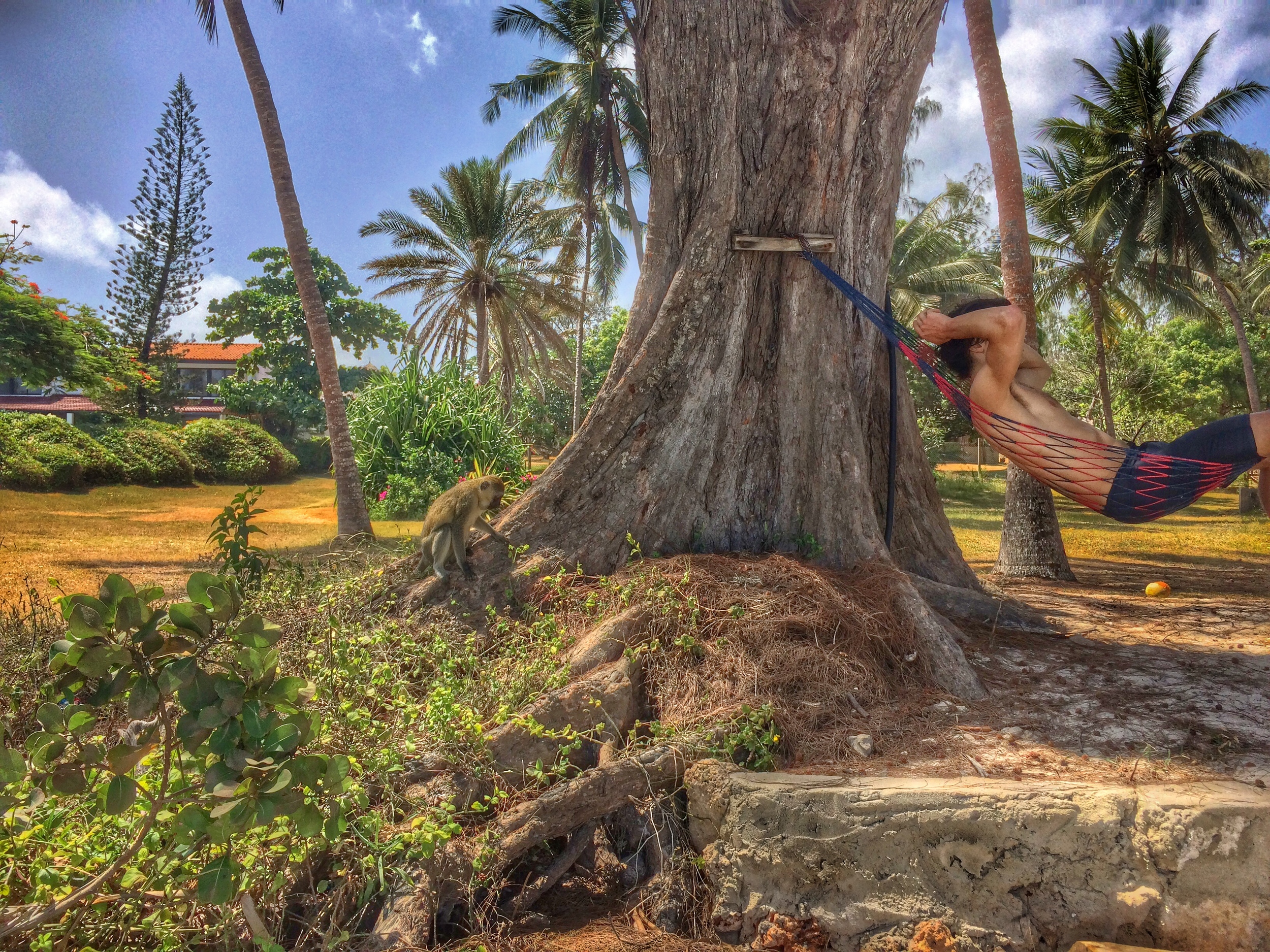
Diani Beach Kenya

Road to Ukunda

Ukunda Mombasa

A Walk in Ukunda

Matatu in Mombasa

Gazi Village Mombasa
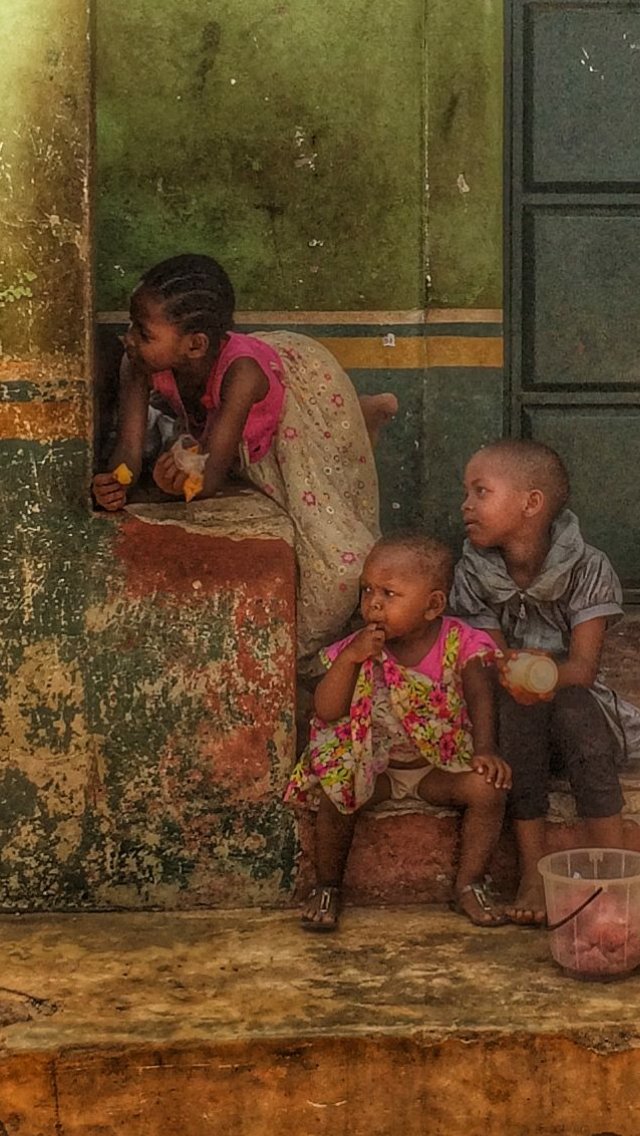
Gazi Kids in Mombasa

Shimba National Park

Mombasa Kenya