A Photo Diary: My Adventure Through Mongolia
Mongolia
Raw, vast, and unlike anywhere else. Three nights in ger camps with nomadic families, golden eagle hunters on horseback, a visit to a shaman, and a confession about the food.
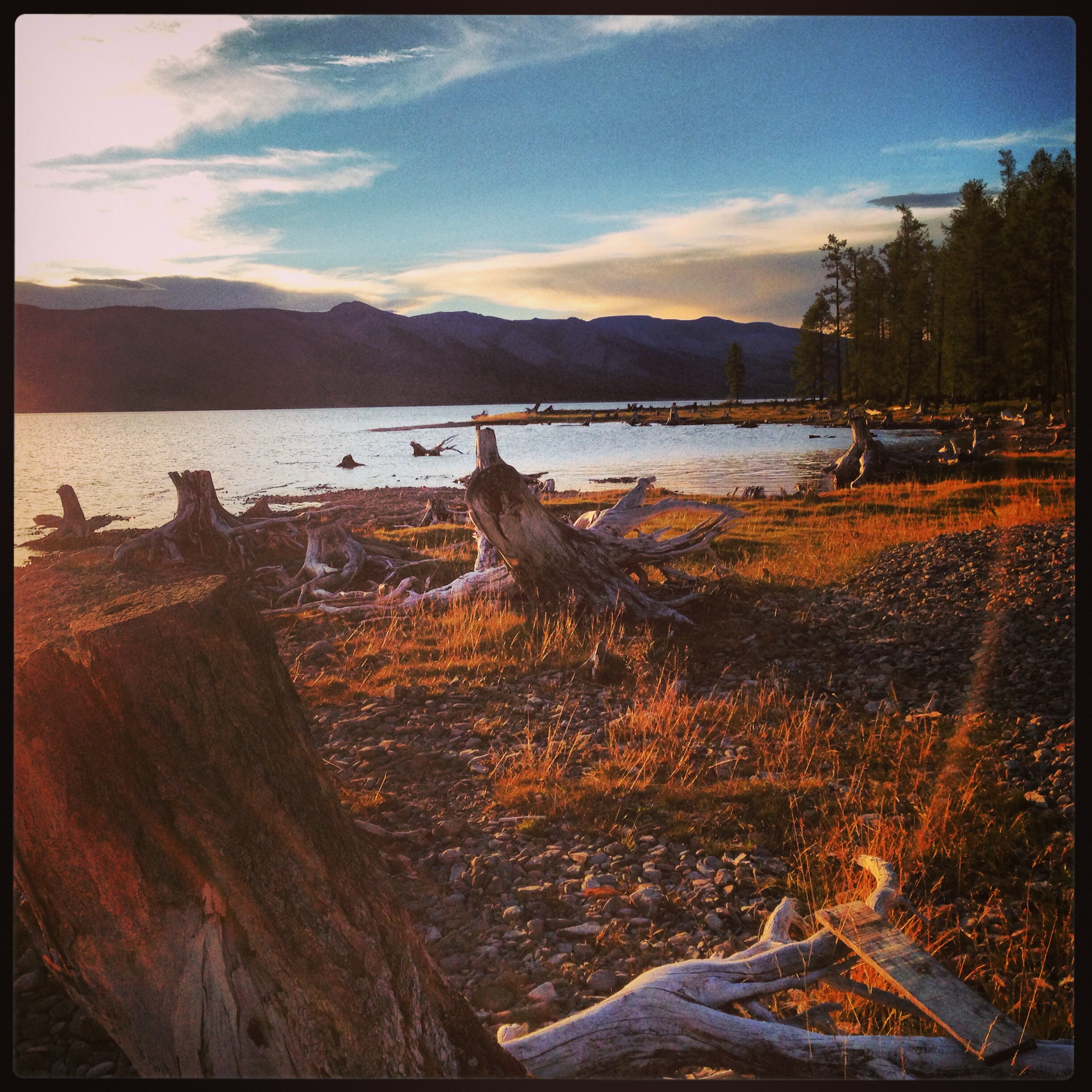
"It is one of the few places in the world where silence feels sacred. Mongolia's terrain is jaw-dropping in its diversity: wide-open grasslands, sand dunes, snowy peaks, serene lakes. Waking up in the heart of this wilderness."
I recently returned from an unforgettable journey to Mongolia. A remote, raw, and magical place that felt like stepping into another world. Organised by Epic Tomato, this adventure took me and a wonderful group of friends, far off the beaten path: through stunning landscapes, nomadic traditions, and one very memorable visit to a shaman. A special thanks to Hichiro, for this experience and for the endless laughs.
The Bayan-Olgiy region of western Mongolia, close to the border with Russia and Kazakhstan, is still untouched by mass tourism and honest to its cultural roots. Traditions such as hunting for food and fur with golden eagles are still very much alive here. We learned how to hunt on horseback with these majestic birds using age-old techniques: a thrilling ancient practice that not many people get the chance to experience. I am not sure I will return to do it again. I am certain I will never forget it.
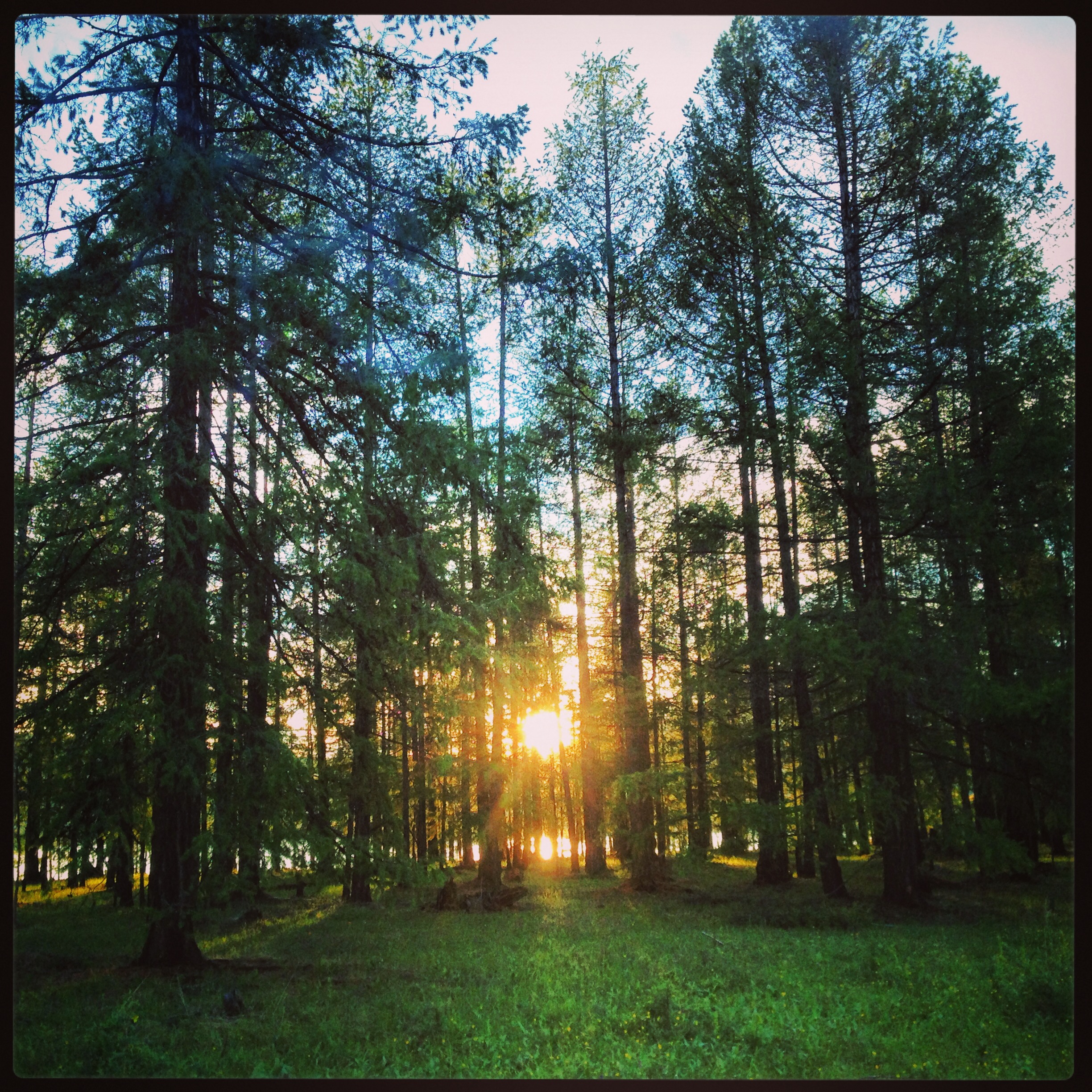
The landscape defies easy description. Grassy mountains give way to valleys, forests, lakes and hills in a geography as changeable as Wyoming but vaster: completely unobstructed views in every direction. The silence is not merely absence of sound. It is a presence in itself, something you feel in your chest. There is a deep and visible bond between the people and the land here, a relationship that has been accumulating for centuries and shows no signs of dissolving. Last remaining authentic nomadic cultures have a quality of groundedness that is genuinely humbling to encounter.
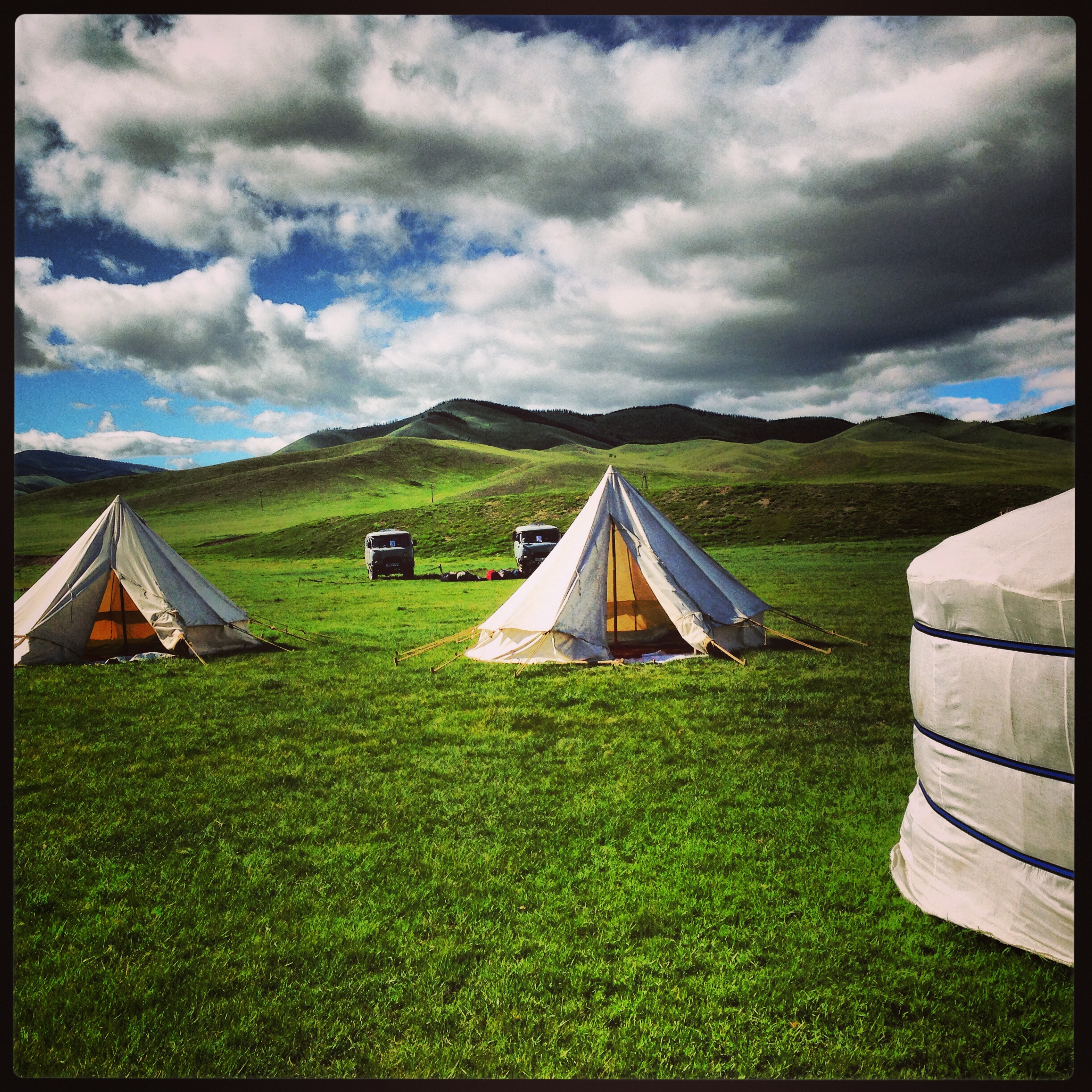
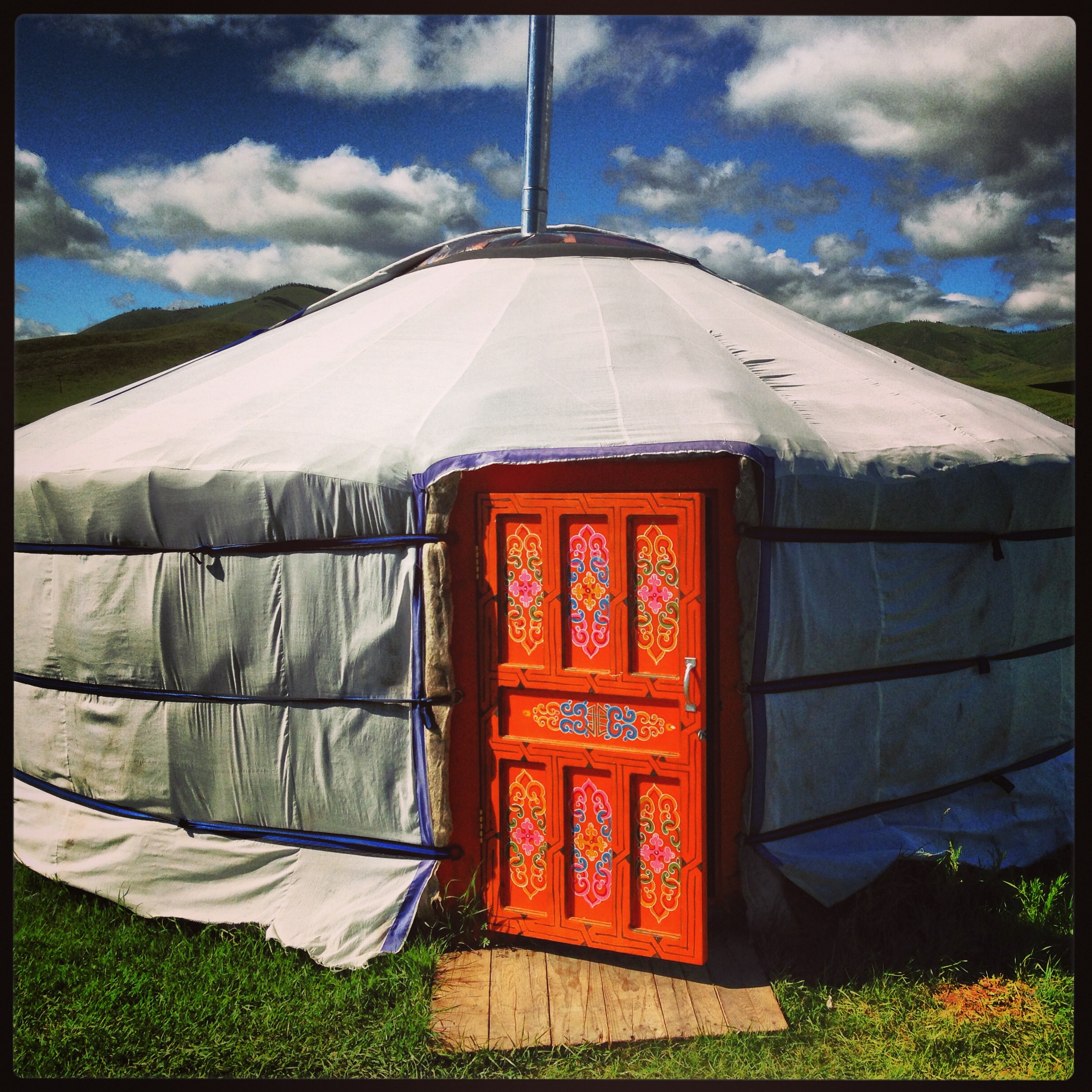
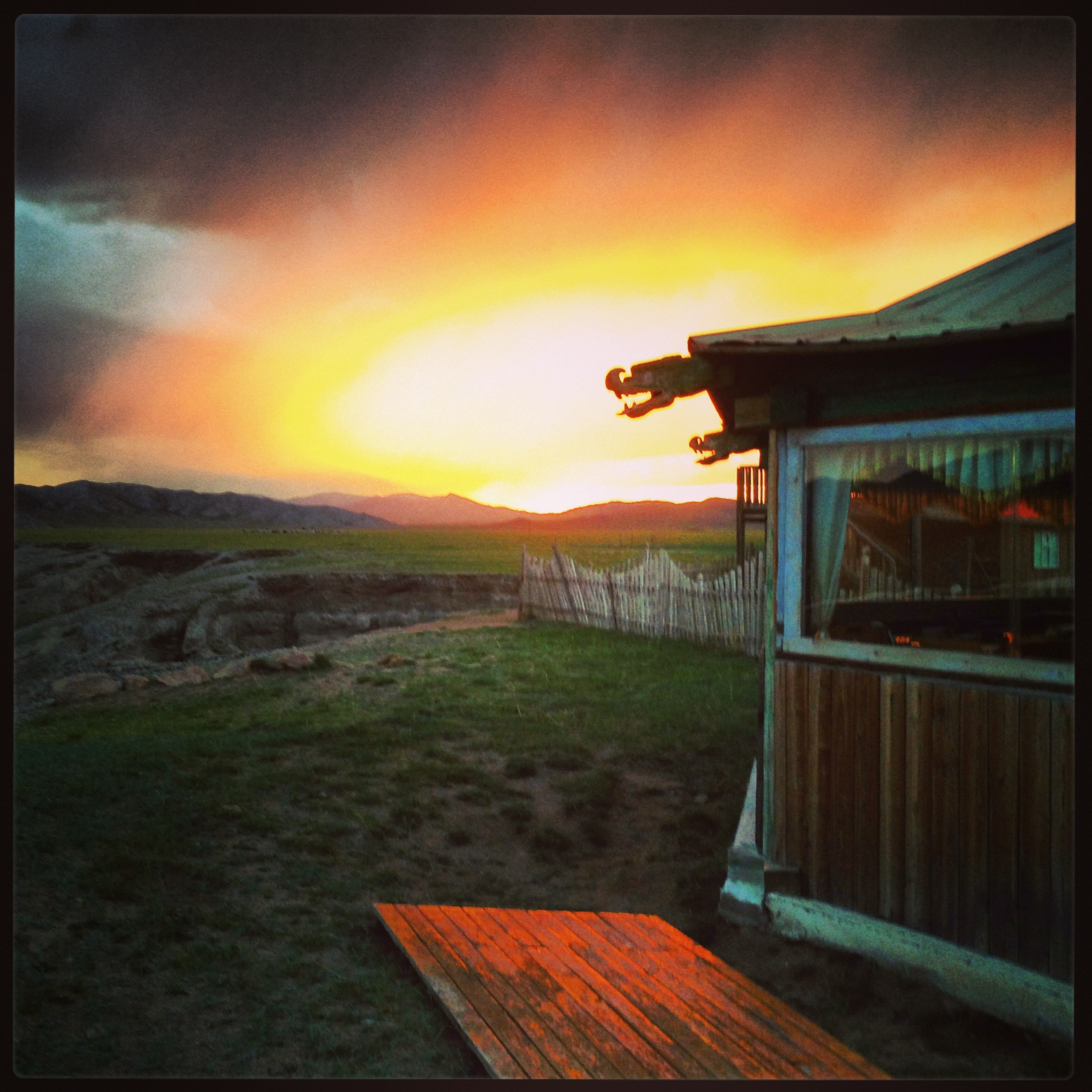
Our accommodations were traditional Mongolian gers, the iconic round dwellings used by nomadic tribes for centuries. These were not average camping tents: glamping-style gers offered cozy beds, solar-powered electricity, and private bathrooms. Modern comforts seamlessly blended with age-old heritage. Some of the camps were managed by local communities, which made the cultural exchange feel meaningful rather than performed.
Every day brought something new: hiking remote trails, trekking on horseback through the mountains, learning archery, connecting with local families. And then there was the food. I am a foodie. Traditional Mongolian cuisine was not for me. I will say no more. The landscape outweighed everything. I packed a lot of snacks and I regret nothing.
"In Ulaanbaatar it felt more like a deep bond between the people and the vodka. But out in Bayan-Olgiy, the connection between people and land is one of the most complete things I have ever witnessed."
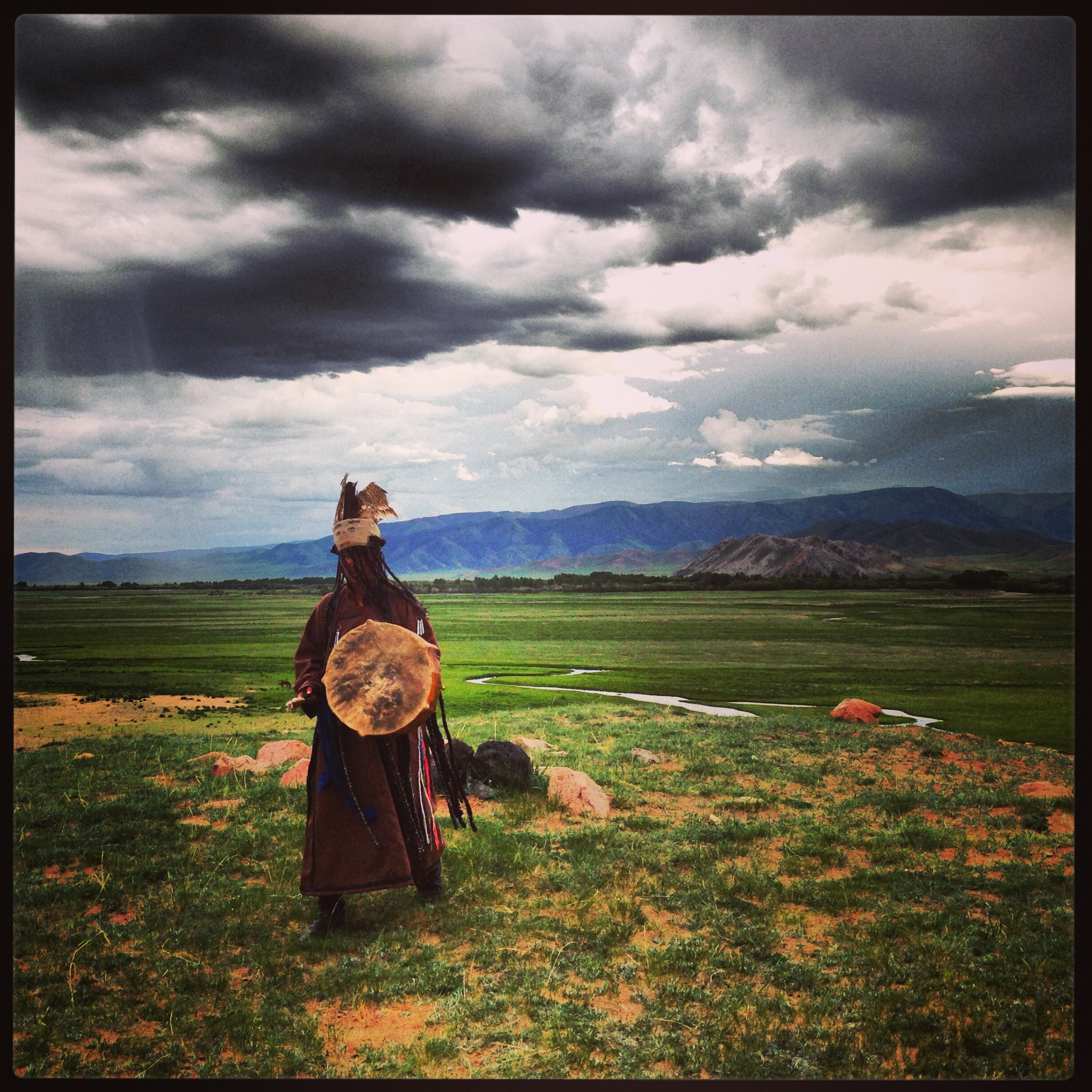
Leila Antakly · Travel diary, MongoliaWe took another path, and it led us to the udgan: the female shaman, who acts as a vital intercessor between the human and ancestral realms, providing guidance and restoring spiritual balance. In Mongolian shamanism, nature is home to spirits and therefore requires offerings. The shaman enters an altered state to communicate between worlds.
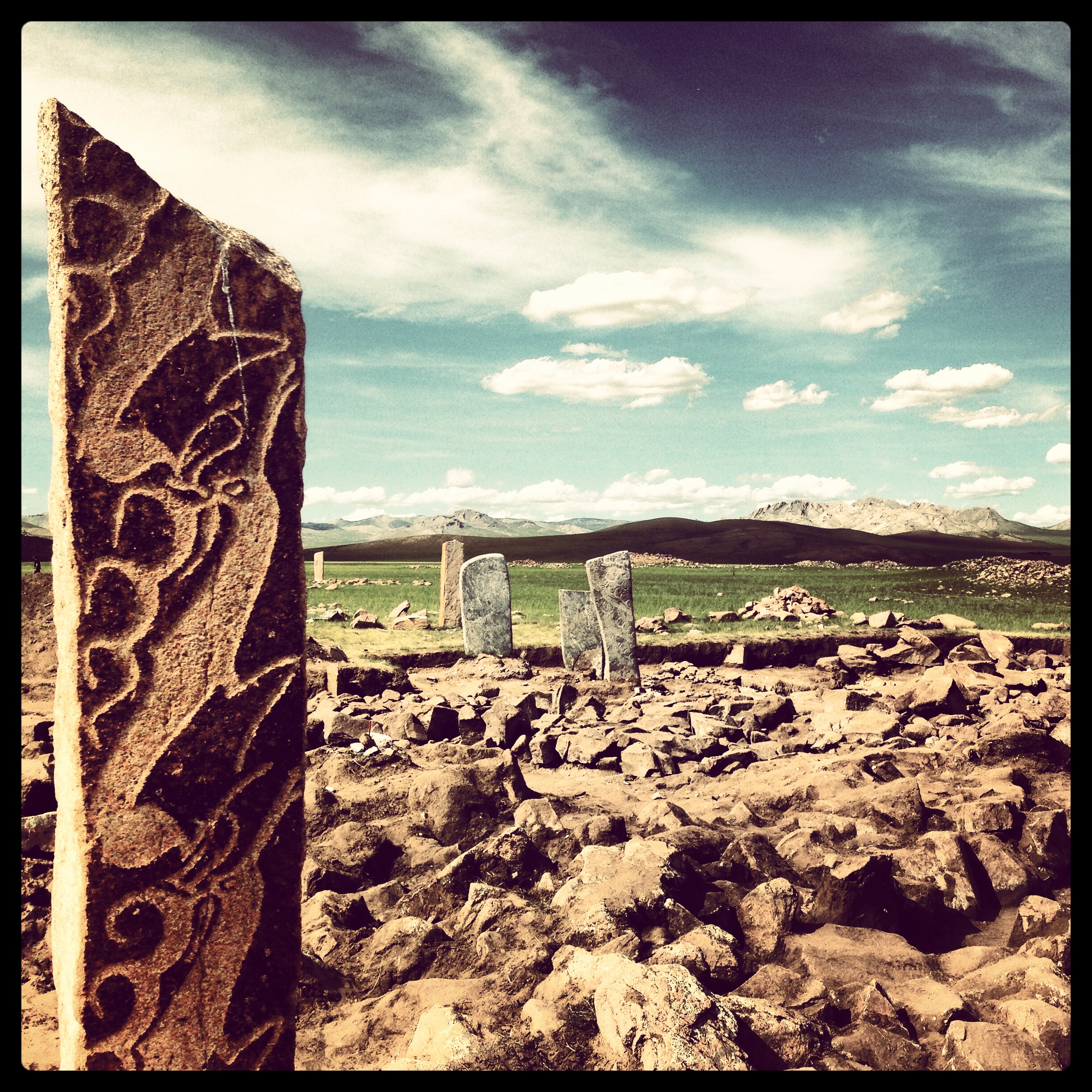
Mongolian shamanism is one of the oldest forms of religion, dating back to 300 or 400 BC. It venerates the blue sky and the green earth. It has made a massive revival in recent decades, reclaiming ground lost during the Soviet era when it was suppressed. To witness it is to understand something about continuity: that certain ways of being in the world survive because they are necessary, not merely traditional.
Ulaanbaatar tells a different story. I noticed the city grapples with severe alcohol abuse, driven by cheap vodka that feels less like a cultural tradition and more like an epidemic. I looked into it: the problem is rooted in economic, social and cultural factors. The shift to a market economy in the 1990s and the migration of rural herders to the cities created severe unemployment and poverty. The dislocation from the land and from the nomadic structure that gave life meaning has had devastating consequences for a generation. It is a city worth knowing about. It is also a city that is trying.
The late British designer frequently incorporated deep nomadic and Asian influences into his work, most notably in his Fall 2004 collection which prominently featured dramatic Mongolian lamb shawls and trimmed coats. The weight, texture and drama of Mongolian materials gave his silhouettes something that no other source could: the quality of a culture that has been making functional beauty for a thousand years.
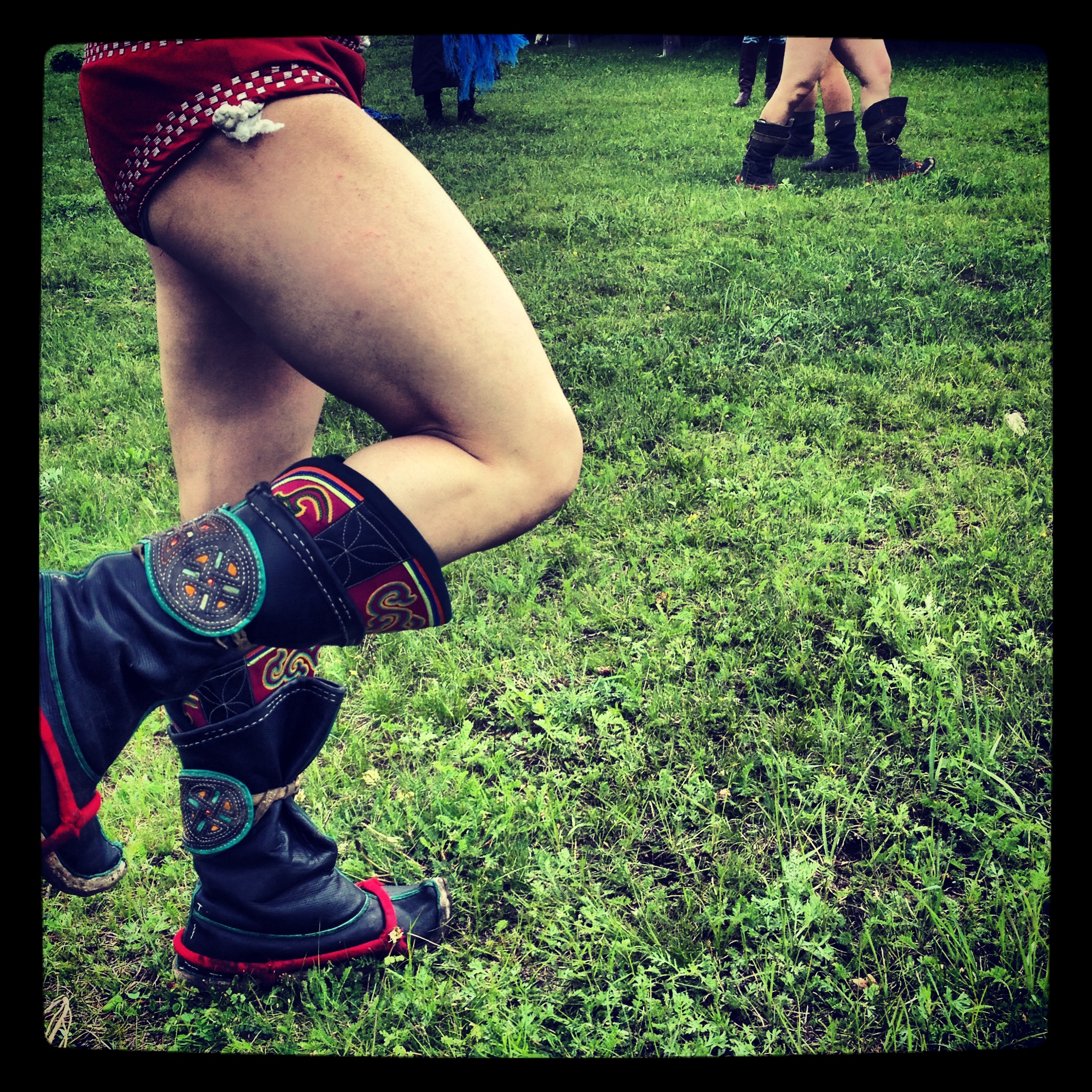
The Ulaanbaatar-based sisters achieved worldwide acclaim for designing Mongolia's Olympic Opening Ceremony uniforms: the traditional deel (Mongolian robe) reimagined with intricate couture-style gold embroidery. Michel began at six, fascinated by how designers created entire moods through fabric and silhouette. "Mongolian design is alive and constantly evolving. We wanted to present national identity in a way that felt both authentic and modern, something the world could understand, yet uniquely ours." Their first collection was sewn at home on two sewing machines bought by their father, a mechanical engineer who believed in them before anyone else did.
Her profound emotional connection to the Mongolian Plateau, explored in poetry and essays including My Home is on the Plateau, serves as a nostalgic homage to her ancestral roots. She writes about belonging to a landscape the way nomads belong to the steppe: completely, and without apology.
His works, particularly Blue Sky, vividly capture the traditional, shamanistic, and nomadic life of the Altai Mountains. He writes in German about a world that is entirely Mongolian, which is itself a kind of cultural bridge: the same territory Leila Antakly crossed on horseback, now on the page.
An independent platform dedicated to artists, musicians, photographers, designers, and thinkers at every stage. Every interview is selected for depth, not reach.
✦ Explore all our interviews →"Stepping far outside of your comfort zone can lead to the most transformative memories."
More travel writing and personal essays from Leila Antakly on Substack.
Read on Substack ↗