The Secret Travel List: 10 Cultural Destinations Having Their Moment Before Everyone Else Shows Up
You've done Lisbon. You’ve done Copenhagen. And if you see one more influencer posing in Tulum, you might scream. The world's most culturally literate travelers are looking elsewhere to places where ancient traditions meet contemporary art scenes, where you can still have a museum to yourself, and where showing up now means you'll be telling stories for decades about "remember when we went there before everyone else."
Here are 10 destinations having their cultural moment.
1. Bukhara, Uzbekistan
The Silk Road City That Time Forgot (But Won't For Long)
Walk through Bukhara's maze-like alleys at golden hour and you'll understand why this might be Central Asia's last secret. This impeccably preserved medieval city, a crucial Silk Road hub with UNESCO-recognized Islamic architecture spanning the 10th through 17th centuries feels like stumbling into a living museum where real people still live, work, and invite you for tea.
Why now: The city has been quietly restoring its historic trading houses (fonduks) as artisan workshops, and the infrastructure has caught up with the beauty. You can finally get here comfortably, but the masses haven't figured it out yet.
Don't miss:
Lyabi-Hauz: The tranquil central plaza where locals gather under ancient mulberry trees
Poi Kalyan Complex: Home to the soaring Kalyan Minaret and mosque with intricate tile work that will ruin Instagram flat-lays forever
Ismail Samani Mausoleum: Early Islamic architecture at its most exquisite
The chaikhanas: Teahouses where time moves differently and conversations with strangers become the highlight of your trip
Artist connection: Seek out contemporary Uzbek artists like Vyacheslav Akhunov.
Practical intel: Stay at a restored caravanserai like Lyabi House Hotel. Eat plov (the national rice dish) at Chinar. Read about the Biennale.
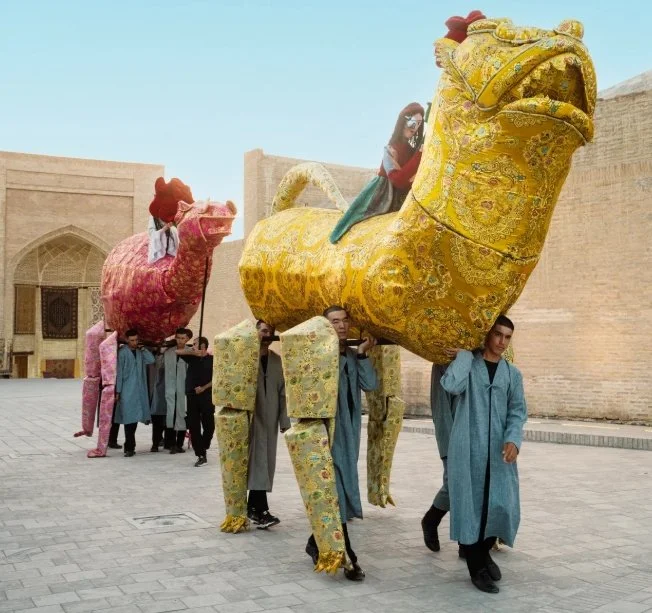
‘Safar (Journey)’ by Kamruzzaman Shadhin, in collaboration with Zavkiddin Yodgorov
2. Fès, Morocco
Islamic Arts, Ancient Markets, and a Medina Reborn
While Marrakech drowns in selfie sticks, Fès has been quietly undergoing one of the most ambitious historic preservation projects in the world. After decades of painstaking work restoring the planet's largest intact medieval medina, the city is emerging as Morocco's true cultural capital and we think 2026 is the year to see it shine.
Why now: The ninth-century Qarawiyyin Library in the world's oldest university recently reopened after restoration. The Al Batha Museum of Islamic Arts has been transformed into Morocco's finest museum, offering a masterclass in the country's dynastic history through illuminated manuscripts and exquisite artifacts. Plus, a near-total solar eclipse will sweep through in August 2026.
Don't miss:
The restored fonduks: Chemmaine, Sbitryine, and Barka now house gorgeous artisan workshops. Fonduk Kaat Smen reopens late 2026 with its historic honey market
Place Lalla Yeddouna: This riverside neighborhood rehabilitation was shortlisted for the 2025 Aga Khan Award for Architecture
Fès Festival of World Sacred Music (May-June): Celebrates the city's role as a center of Sufi mysticism and Andalusian musical heritage
Artist connection: Fès has inspired everyone from Matisse to Delacroix. Today, seek out Moroccan contemporary artists like Hassan Hajjaj, whose pop-art portraiture reimagines North African identity.
Practical intel: Stay in a restored riad in the medina—Karawan Riad is stunning. Hire a guide for your first day (the medina has 9,000 alleys). Visit the tanneries early morning when light hits the dye pits.
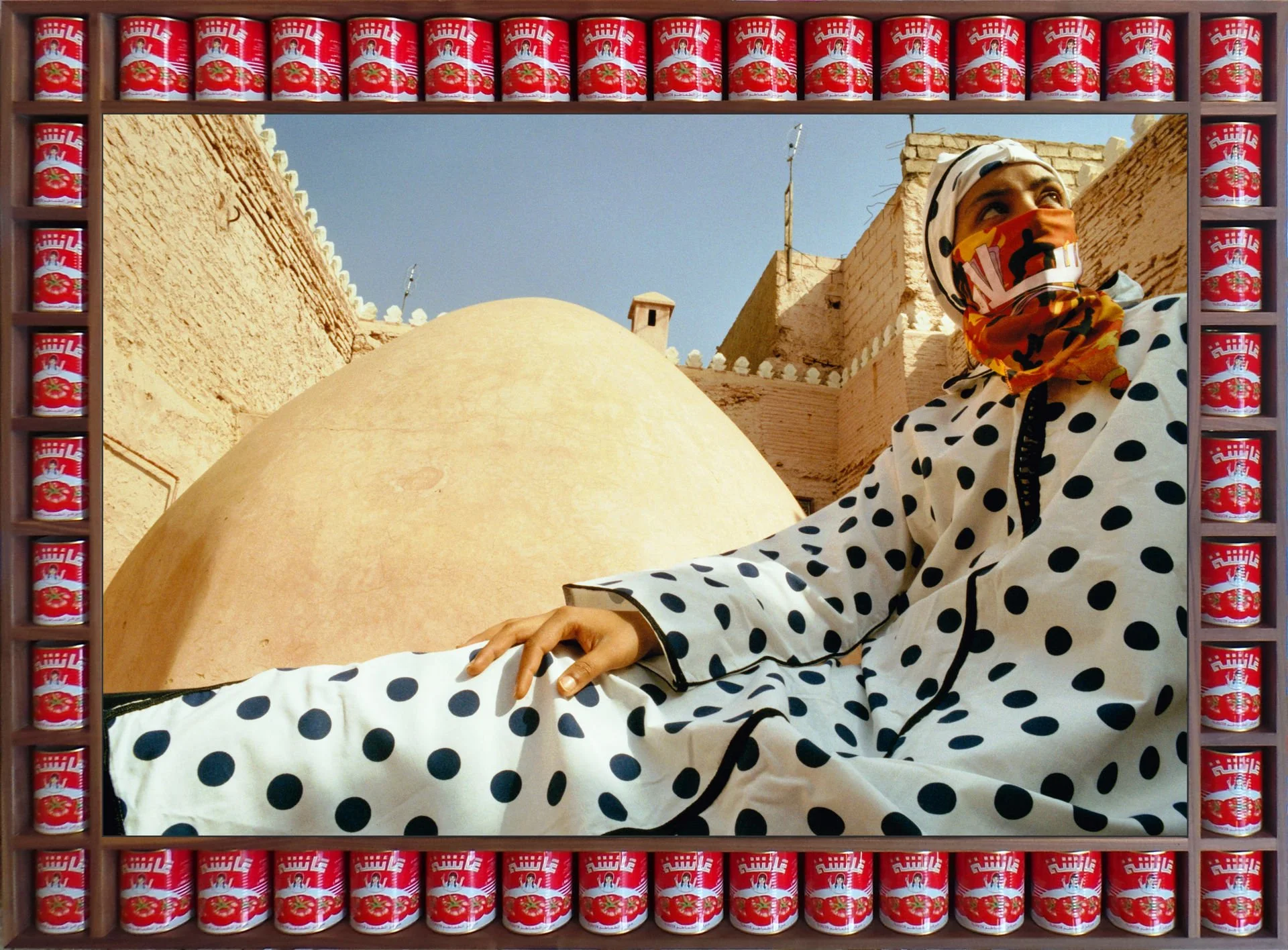
Courtesy of the artist and the Third Line Gallery in Dubai
3. Gorizia, Italy & Nova Gorica, Slovenia
The Border Town Becoming Europe's Cultural Capital
In 2025, these twin cities straddling the Italian-Slovenian border share the European Capital of Culture designation and the symbolism is perfect. Once divided by the Iron Curtain, now united by culture, this region offers a masterclass in how art and heritage can transcend political borders.
Why now: The designation has sparked an explosion of exhibitions, performances, and public art installations. New galleries are opening, historic sites are being restored, and the world's cultural cognoscenti are descending but haven't taken over yet.
Don't miss:
GO! 2025 Borderless program: Year-long festival of contemporary art, music, and theater across both cities
Castello di Gorizia: Medieval fortress with panoramic views and rotating exhibitions
Kostanjevica Monastery: Houses Bourbon family tomb and rotating contemporary art shows
Cross-border wine trails: The Collio/Brda region produces some of Europe's most distinctive wines
Artist connection: Slovenian artist Marjetica Potrč creates architectural installations exploring urban sustainability.
Practical intel: Stay at Lanthieri Palace in Gorizia. Rent a car to explore both sides freely. The local Friulian cuisine is a revelation, try frico and jota.
4. Arusha, Tanzania
Beyond Safari: East Africa's Emerging Cultural Hub
Yes, Arusha is the gateway to Serengeti and Kilimanjaro. But the city itself is transforming into a cultural destination worth extended stays, with new museums, contemporary art spaces, and a thriving creative community redefining what an East African city can be.
Why now: Dr. Jane's Dream: The Goodall Centre for Hope opens October 2026, featuring six interactive exhibition areas focused on conservation education. The new 30,000-seat Samia Suluhu Hassan stadium opens summer 2026 ahead of hosting the 2027 Africa Cup of Nations final. And the local creative scene is exploding.
Don't miss:
The Goodall Centre: Created by alumni of Disney's Animal Kingdom, this isn't your typical museum
Makao Collective: Afro-minimalist furniture and home decor that's redefining East African design
Arusha National Park's new lodges: Koroi Forest Camp and Laba Mama Simba offer alternatives to traditional safari experiences
Local art galleries: The contemporary Tanzanian art scene is having a moment seek out emerging painters and sculptors
Practical intel: Base yourself at Arusha Coffee Lodge. Book conservation-focused safari outings with The Wild Source, complete with gorgeous boxed lunches from Opuk Lounge.
5. Loango National Park, Gabon
Africa's Last Eden
Gabon's tourism industry is still finding its footing, which means 2026 offers a fleeting window to experience what some insiders are calling the best gorilla trekking in Africa in a pristine wilderness of rainforest, savannah, and wild Atlantic coastline that feels genuinely undiscovered.
Why now: January 2026 sees the opening of Loango Savannah Camp on the iconic Iguela Lagoon, where forest elephants splash near coastlines made famous by surfing hippos. Meanwhile, Sette Cama Eco Camp opens early this year at Loango's remote southern end, focusing on immersive jungle adventures over indulgence.
Don't miss:
Gorilla trekking: Western lowland gorillas in their natural habitat, without the crowds of Rwanda or Uganda
The surfing hippos: Yes, really. Loango's hippos ride waves in the Atlantic
Nyanga Lodge in Moukalaba-DouDou National Park: The sole luxury property in "the great apes national park," with treetop dining and beach experiences
Sport fishing: Nyanga launches its exclusive catch-and-release international sport fishery in 2026
Artist connection: Gabonese artist Owanto creates powerful photographic and installation work exploring African identity, memory, and the environment.
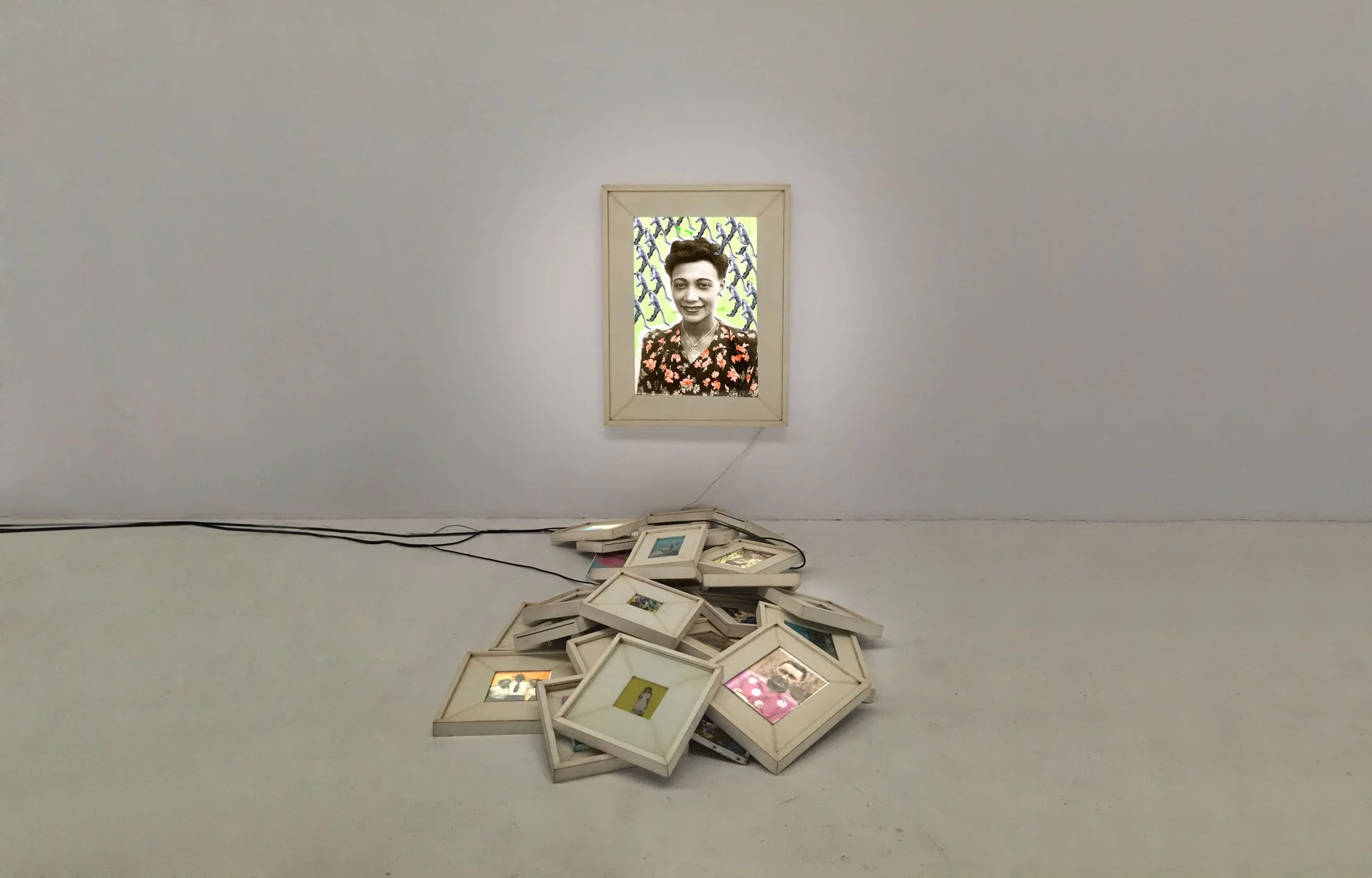
Le Phare de la Mémoire II
2010 | Installation. Lightboxes and Paintings | Variable dimensions
6. Kamakura, Japan
The Culture City of East Asia
While Kyoto buckles under overtourism, Kamakura, just an hour from Tokyo has been quietly named Culture City of East Asia in 2025. This coastal town of temples, beaches, and creative communities offers everything travelers love about Japan without the crowds crushing the experience.
Why now: New galleries are opening in historic buildings, and the city is investing in its creative infrastructure while maintaining its contemplative atmosphere.
Don't miss:
The temple circuit: Hasedera, Kotoku-in (Great Buddha), Kencho-ji
Komachi-dori Street: Contemporary craft shops and artisan studios in traditional buildings
Surfing at Yuigahama Beach: Yes, Kamakura has surf culture and temples
Artist connection: The Kamakura Bori tradition of carved lacquerware continues today in local workshops you can visit and even try your hand at.
Practical intel: Take the scenic Enoden train along the coast.
7. Hebrides, Scotland
Ancient Stones, Whisky, and Islands Time Forgot
Scotland's Hebrides have always existed, but 2026 marks the moment they transform from rugged isolation to accessible wonder. New visitor centers, rising whisky distilleries, and improved infrastructure mean you can finally experience these windswept islands comfortably, while they're still not too touristy.
Why now: The Calanais Stones are getting expanded visitor facilities that will make Scotland's answer to Stonehenge more accessible without diminishing the mystery. New distilleries across the islands are creating a whisky trail to rival Islay, and ferry connections have improved dramatically.
Don't miss:
Calanais Stones, Lewis: 5,000-year-old standing stones with new interpretation center
Harris Tweed weavers: Visit working studios to see this UNESCO protected craft
The whisky trail: New distilleries on Lewis, Harris, and Skye
St. Kilda: UNESCO World Heritage site accessible by boat. Europe's most remote inhabited island until 1930
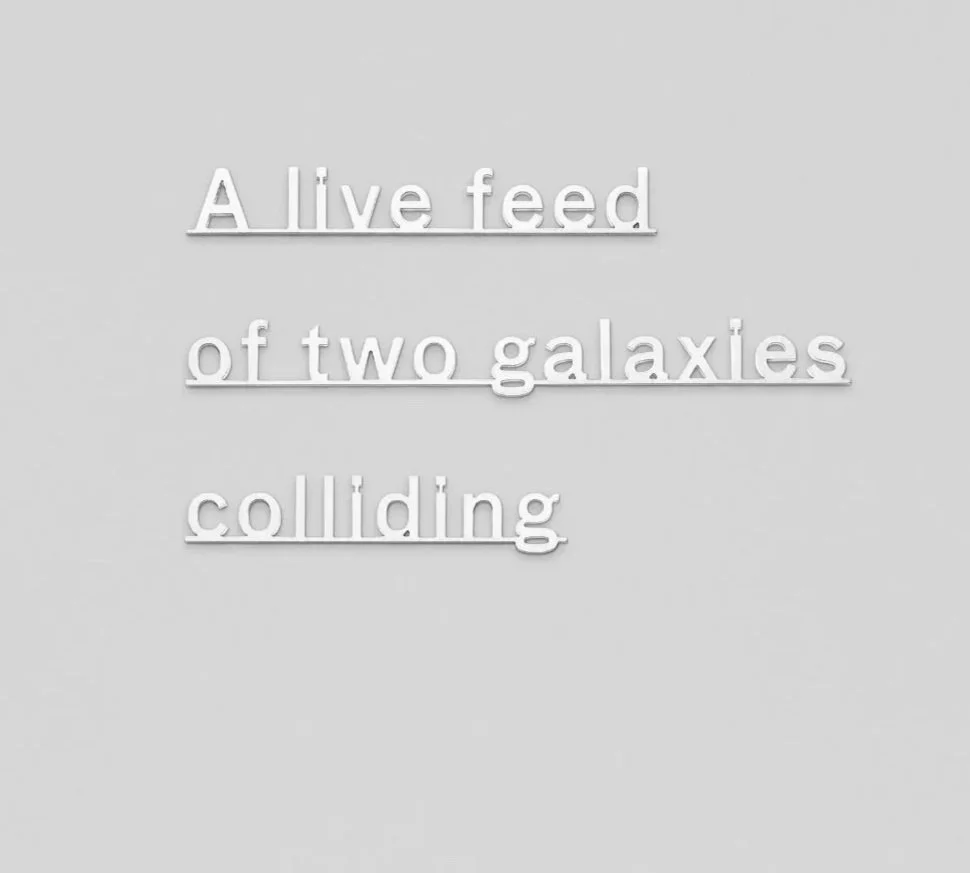
Artist connection: Scottish artist Katie Paterson creates conceptual works exploring deep time and cosmic phenomena, themes that resonate with the Hebrides' ancient stones and dark skies.
Practical intel: Stay at The Gearrannan Blackhouse Village on Lewis, restored traditional stone houses.
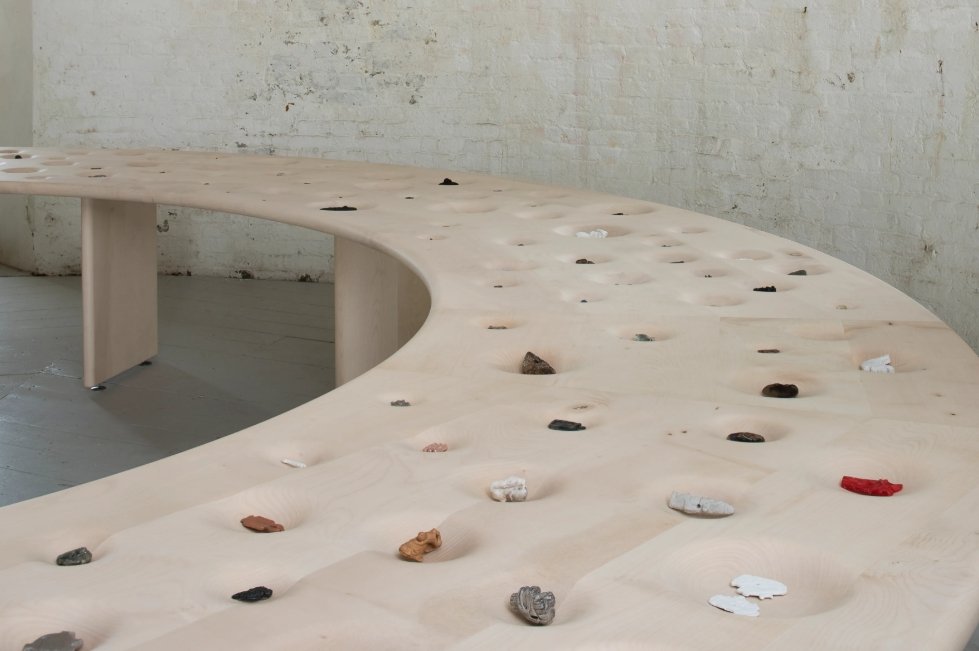
Katie Paterson, Glasgow, 1981. Collaborating with leading scientists and researchers across the world, her poetic and conceptual projects consider our place on Earth in the context of geological time and change. Her artworks make use of sophisticated technologies and specialist expertise to stage intimate, poetic and philosophical engagements between people and their natural environment.
Ideas 2015–Cover photo: A lifelong series, the Ideas are artworks that may or may not come into being. These short haiku-like sentences take shape in the imagination of whoever reads the words and so become an expression of the idea itself.
8. Umbria, Italy
Tuscany's Quieter, Deeper Sister
While Tuscany suffocates under Airbnb listings and wine tours, Umbria rolls its eyes and goes back to making sublime food, producing exceptional art, and preserving medieval hill towns without the performance. Truffle tourism is exploding, contemporary art is thriving, and the region remains blessedly under-visited. Thank God.
Why now: Umbria's truffle season (October-December for white, November-March for black) has become a culinary pilgrimage. New contemporary art spaces are opening in historic towns.
Don't miss:
Truffle hunting experiences: Join local truffle hunters and their dogs in the forests around Norcia and Spoleto
Palazzo Collicola Visual Arts in Spoleto: Contemporary art in a baroque palazzo
Assisi beyond the basilica: The contemporary art scene here is surprisingly vibrant
Gubbio's Palazzo dei Consoli: Medieval magnificence without the crowds
Artist connection: Umbrian-born artist Alberto Burri (1915-1995) revolutionized postwar Italian art. His foundation in Città di Castello houses the world's largest collection of his work.
Practical intel: Base in Spoleto or Todi rather than obvious choices. The local sagrantino wine is a revelation.
9. Moukalaba-Doudou National Park, Gabon
The "Great Apes National Park" You've Never Heard Of
If Loango is Africa's Last Eden, Moukalaba-Doudou is its secret garden. Nyanga Lodge, which opened in 2025, enjoys sweet isolation as the sole luxury property in what locals call "the great apes national park"—a wonderland of primates, marine life, and pristine forest.
Why now: The lodge's 2026 program includes new treetop terraces and beach dining experiences, making this remote paradise more accessible without sacrificing its wild essence. The surrounding waters are rich with migrating humpback whales, nesting sea turtles, and tarpon for sport fishing.
Don't miss:
Primate tracking: Chimpanzees, western lowland gorillas, and multiple monkey species
Marine spectacles: Migrating humpback whales (July-September), nesting sea turtles
Sport fishing: Catch-and-release tarpon fishing in pristine waters
Beach dinners under the stars: Luxury that doesn't feel performative
Artist connection: The park's biodiversity echoes themes in environmental artist Andy Goldsworthy's work, nature as both subject and collaborator.
Practical intel: Access is via small aircraft from Libreville.
10. [Your Secret Place]
The One You'll Have to Discover Yourself
I have places I'm not sharing here. Not out of gatekeeping, but because not everything needs to be broadcast. Some discoveries should remain yours, the coastal village where you're the only foreigner, the mountain monastery where tourists haven't ruined the silence, the artist's studio you stumbled into by accident. This is your reminder that the best travel experiences come not from lists (even mine), but from curiosity, spontaneity, and the courage to take unmarked roads.
The places above are having their moment, at least I think so. By the time they're fully discovered, you should be somewhere else entirely. Somewhere you found yourself, somewhere you'll eventually, reluctantly, write about years later when it's too late to ruin it.
Practical intel: Trust your instincts. Book the weird-looking guesthouse. Accept dinner invitations. Bring good walking shoes. Talk to strangers.
So all this to say, go now. Because Bukhara will get slicker. Fès will get more crowded. Gabon will build more lodges. The Hebrides will fill up. These transformations aren't necessarily bad they're just inevitable as the world gets smaller and smaller. Go before the boutique hotels replace the family guesthouses. Before the influencers discover the perfect sunset spot. Before "authentic" becomes a marketing term rather than a description.
The world is still full of places having their moment before everyone else shows up. By 2030, some of these will be household names and others will have retreated back into comfortable obscurity. That's the nature of travel in the Instagram age, places cycle through visibility like trends through fashion. The trick is showing up during the sweet spot when infrastructure meets undiscovery, when you can experience a place comfortably but authentically, when the locals are excited to meet you rather than exhausted by you.
Leila Antakly